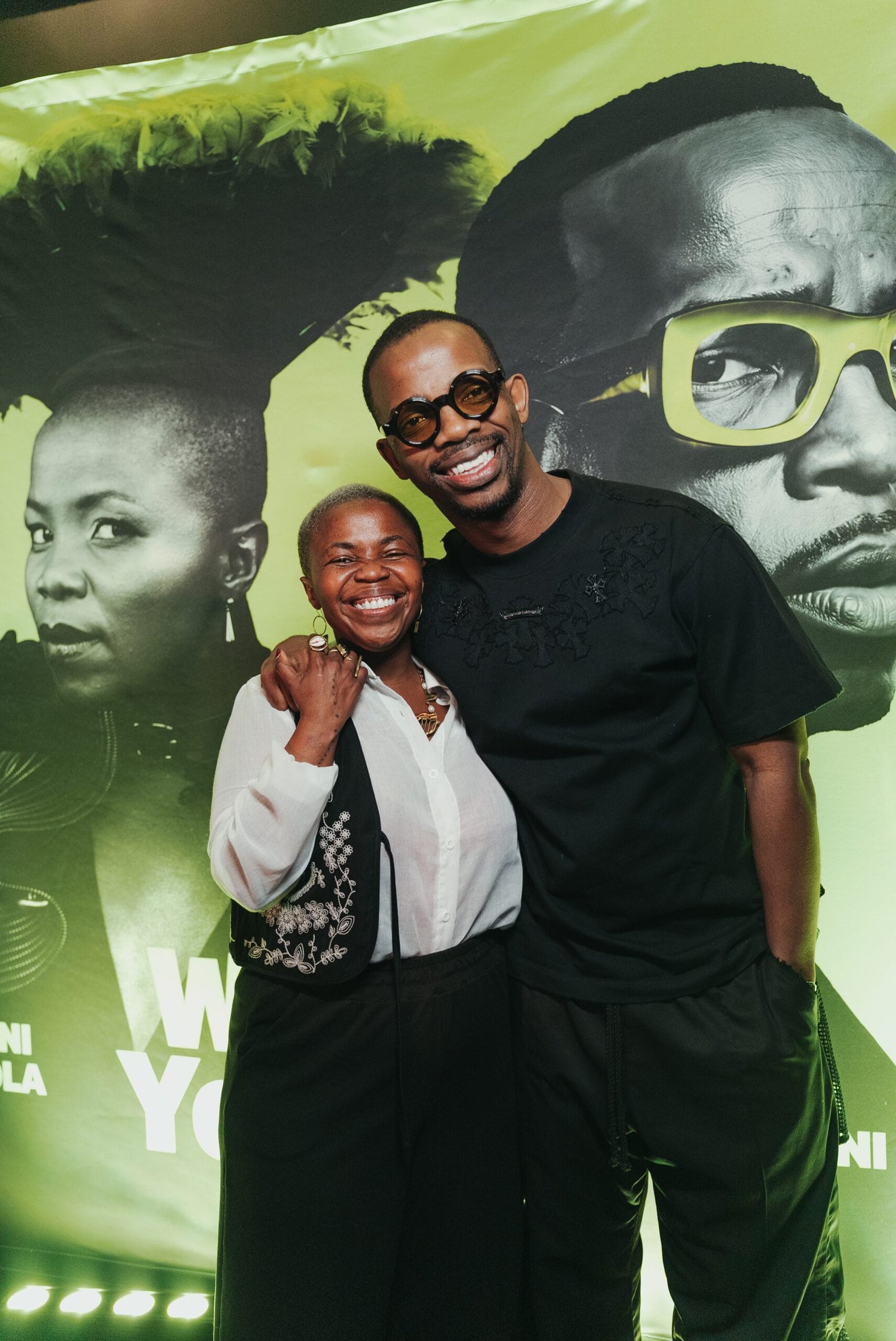
Award-winning musicians, Zolani Mahola and Zakes Bantwini released their collaborative anthem, Where You Are, which is rooted in South Africa’s Ubuntu fabric. At a media launch held at the Untitled Basement in Braamfontein, Mahola aptly described the song as “celebrating the power of collaboration and community”.
Delivered in isiZulu, English, Xhosa and Sesotho, the song uncannily touches on uniting during a time in South Africa when femicide and xenophobia have been colliding across various social media platforms.
Whether in villages, townships, churches, funerals, sports matches or other social events, regardless of the emotion around it, when South Africans gather, song and dance will reverberate in the atmosphere.
The song speaks of people meeting each other where they are regardless of age, and staying in those emotions as a unit.
There is a certain emphasis on coming together as one that fills the air when the musicians share the memories they created together in Bantwini’s hometown of KwaMashu in Durban, where Mahola witnessed young boys playing football around the township the way a younger Bantwini also used to.
While this is their first collaboration, the musicians revealed that they had wanted to work together and had even discussed this in the past, but these attempts to make music as a collective did not materialise until a decade later.
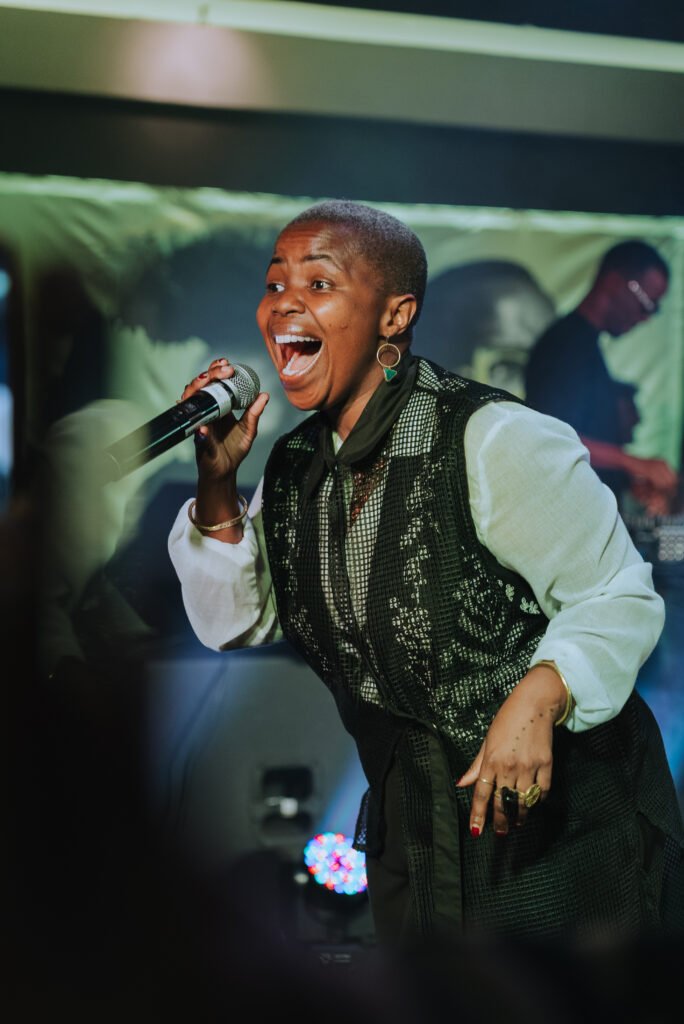
Mahola expressed feeling proud of the final product, saying that the musicianship, lyrical content and production behind it had been a wonderful experience where Bantwini had also elevated her confidence levels by challenging her to take her vocals to places that she had previously been on the fence about visiting.
Explaining whether her experiences of his background in KwaMashu filter through to the music, Mahola said everything that makes up an artist’s identity finds its way into the music.
“Zakes having come from a township in a different part of the country, because I’m also from a township in the Eastern Cape, means there is already an understanding of a particular South African experience that infuses the music that we create,” she said.
This was not their only meeting point, as the two artists have both had the fortune to travel the world in their individual musical journeys.
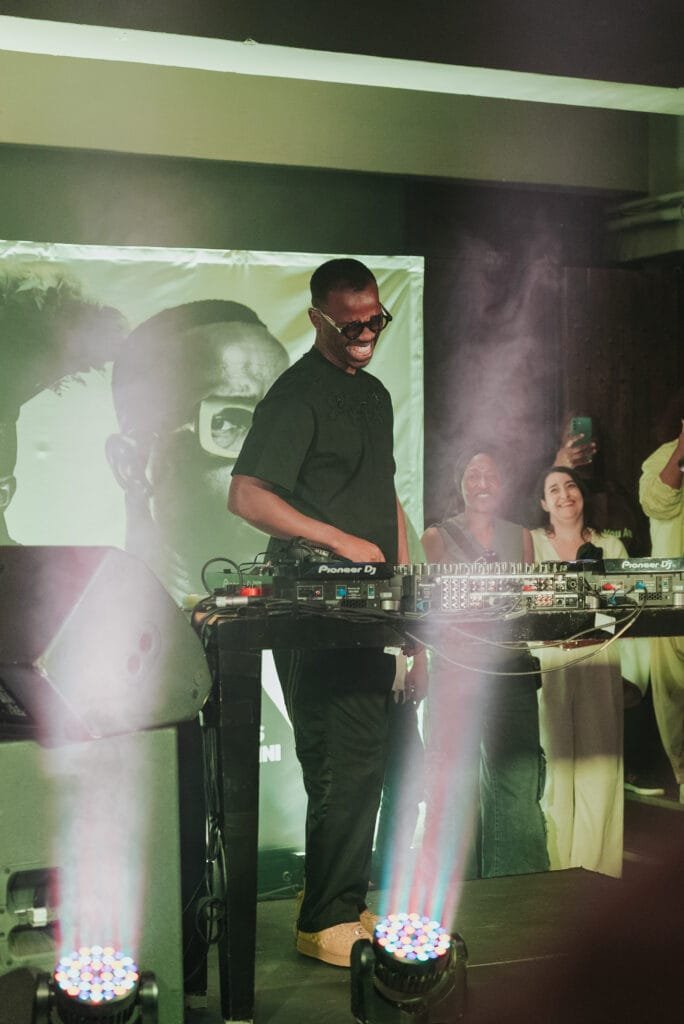
Bantwini spoke about exploitation in the music industry, unpacking that his incubation programme was initiated as a means to pay it forward, as he would not be where he is if someone had not recognised his potential and given him a chance. What he does differently, however, is that unlike most record labels who tie artists down with frigid contracts, the young people who are beneficiaries of his programme are free to spread their wings whenever they feel ready to, as his contract with them is very flexible.
But the world has gone digital, and the surge of AI adds another layer of exploitation as various musicians, including Simphiwe Dana, have fallen victim to this technological advancement, with their intellectual property being used without their consent and sometimes even their knowledge.
“Record labels were notorious for being unfair to artists, which prompted artists to sign each other to their own companies. But there was still that reputation, so people still thought that because it is a record label, it is still going to treat artists unfairly.”
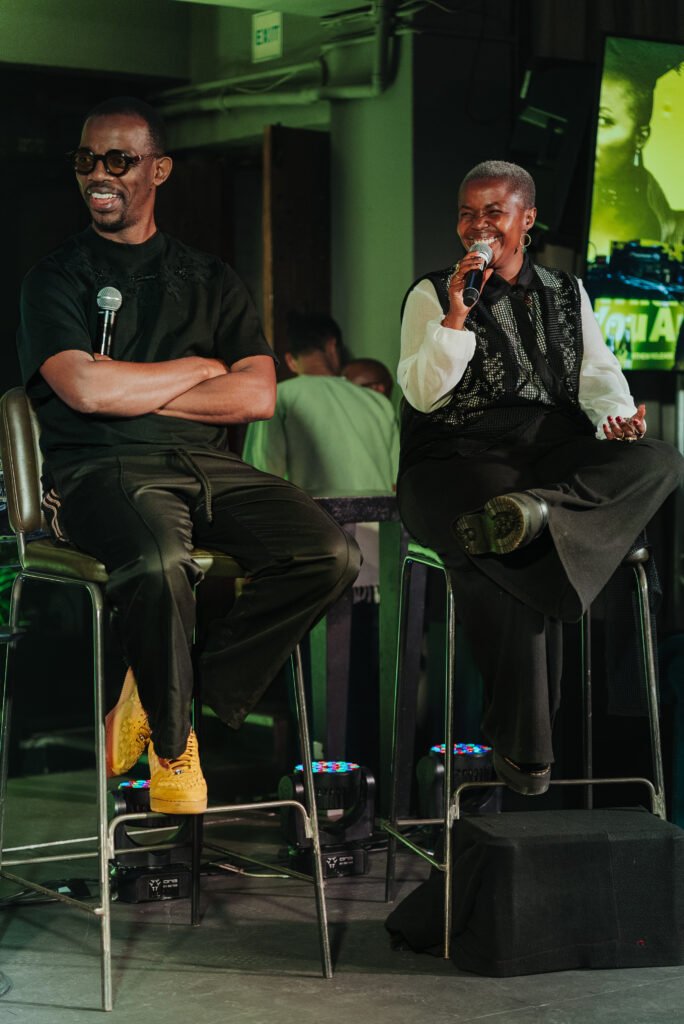
“But it has now gotten to a point where artists cannot wait to get rid of their record label as soon as they find success. So there are layers to the lack of trust. We are not yet meeting each other halfway as artists and record labels because even if the contract is fair, artists will still think it’s unfair,” Bantwini explained.
Where licensing contracts from most labels offer up to 10%, Bantwini said his company offers up to 30%. Mahola said this was unheard of.
Ultimately, Bantwini feels that more work can still be done by all parties in terms of research and arming themselves with the necessary knowledge in the business of music.
In November, Bantwini brings back the Mayonie Open Air, one of the biggest Afrohouse music festivals in the country which celebrates Mzansi’s dance culture dating back to the 1990s. Last year’s inaugural edition at Constitution Hill in Braamfontein was received with resounding excitement by music fans, propelling Bantwini to expand into a multi-city tour. The festival was staged in Durban in August.


No Comments