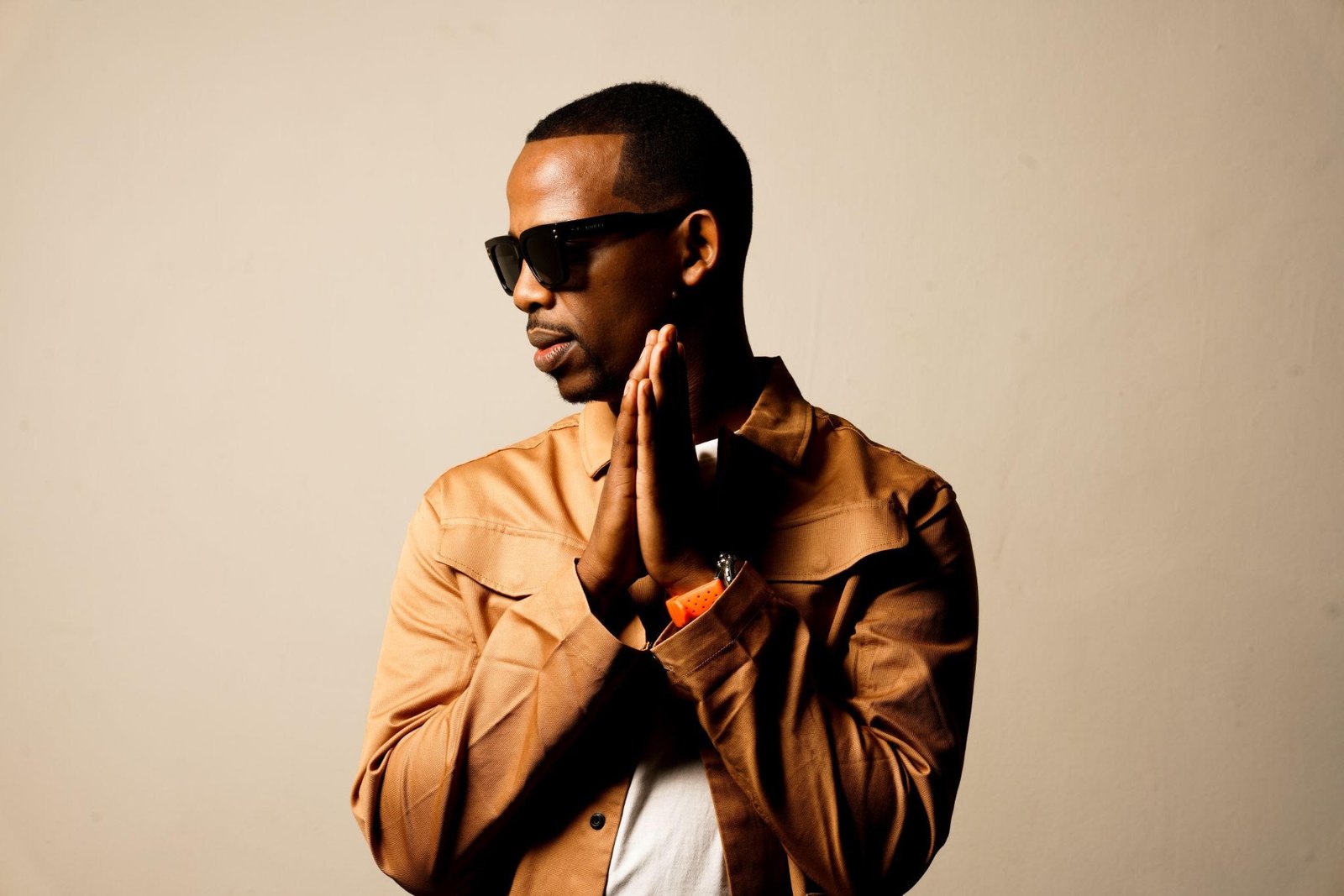
From music and business education to artist representation, intellectual property and African ownership, the award-winning musician is building a vision that extends far beyond the stage. As he prepares for Mayonie Open Air at Constitution Hill, Grammy award-winner Zakes Bantwini is making a case for a different future for African entertainment.
Long before the international recognition, the awards and the global stages, Zakes Bantwini was a young boy watching music videos on television, captivated by a world that seemed both distant and extraordinary. What began as an admiration for music and the possibilities it represented has evolved into something considerably bigger: a desire to build, own and shape the very industry that helped define his life.
Today, Bantwini is thinking beyond the next record, the next performance or the next accolade. His ambitions are increasingly centred on education, entrepreneurship, infrastructure and the positioning of African talent within the global entertainment economy.
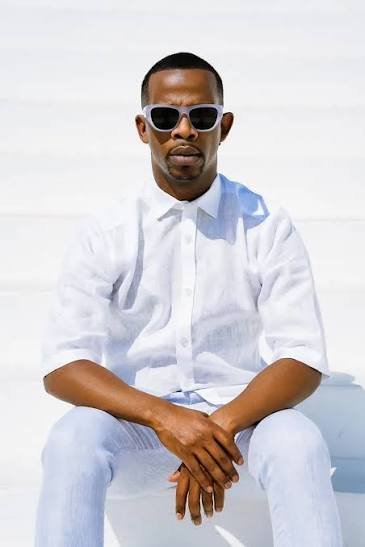
In conversation with Nounouche ahead of Mayonie Open Air, taking place at Johannesburg’s Constitution Hill on 29 November, the musician offered a perspective that challenges how success in the African music industry is traditionally measured. For him, international recognition is important, but it cannot be the final destination. The more important question is what Africans own, build and retain when their culture finds an audience around the world.
The education behind the ambition
One of the defining lessons of Bantwini’s journey is that talent, while essential, needs to be supported by knowledge, relationships and an understanding of the business behind the art.
His decision to study music was about more than developing his craft. It exposed him to a wider creative community, introduced him to valuable relationships and created opportunities for collaboration. Among the connections he developed was one with fellow musician Black Coffee, demonstrating how education can become an important gateway to networks and opportunities that extend well beyond the classroom.
His subsequent experience at Harvard Business School further expanded his thinking. It gave him an opportunity to consider his ambitions through a business lens, developing a clearer understanding of strategy, international expansion, probability and the importance of assembling the right people to build a sustainable enterprise.
It is a distinction he is keen to communicate to the next generation of creatives: education should not be viewed as separate from creativity. It can be the very thing that allows creative talent to grow into a business, an institution and a legacy.
The question of who owns African music
There is a contradiction at the centre of Africa’s growing influence in global entertainment. African music is travelling further than ever before. Amapiano, Afro-house and other sounds emerging from the continent have found audiences across international markets, influencing dance floors, festivals and popular culture.
Yet, as Bantwini points out, the commercial structures surrounding that success deserve closer examination.
South African artists can command international audiences, fill venues and create global cultural moments, but how much of the infrastructure, intellectual property and commercial value generated by that demand remains in African hands?
It is a question that goes beyond streaming numbers and international bookings. It speaks to ownership, bargaining power and the ability to build businesses that benefit from the global appetite for African culture.
Bantwini believes the continent must become more intentional about developing its own entertainment infrastructure. The ambition cannot simply be to export talent; it must also be to build the companies, platforms and professional networks that allow African talent to participate meaningfully in the value created by its success.
For him, the future of African entertainment requires more than exceptional musicians. It requires managers, lawyers, publicists, executives, entrepreneurs and other skilled professionals who understand the industry and can build around its talent.
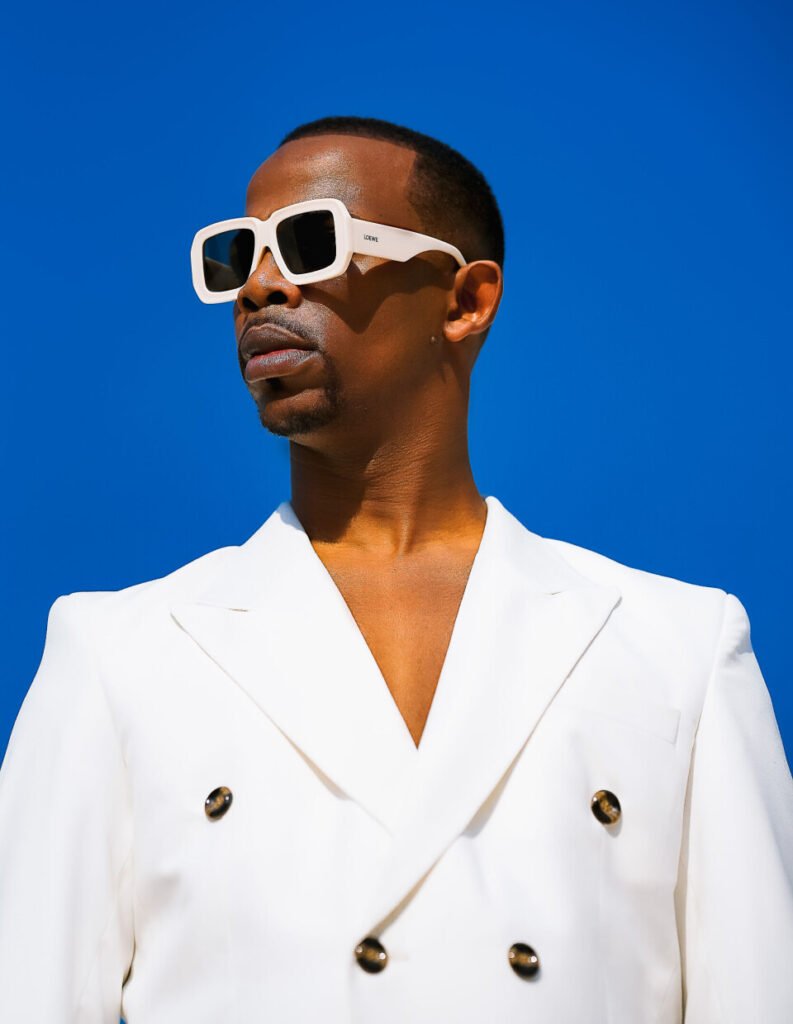
It also means creating opportunities for young people to enter the entertainment business without necessarily having to become performers themselves. There are careers to be built behind the scenes, and an entire ecosystem that needs to be developed.
Mayonie: Building beyond the stage
This thinking informs the wider vision behind Mayonie.
Rather than approaching entertainment as a single-lane business, Bantwini is interested in creating an ecosystem that brings together music, sports representation, artist management and live experiences. It is an approach that recognises the commercial and cultural opportunities that exist when different parts of the creative economy are connected.
Mayonie Open Air is an expression of that ambition. While the live experience brings audiences together through music, it also sits within a broader vision of building platforms, creating opportunities and contributing to the infrastructure that supports African entertainment.
For Bantwini, the stage is important, but what happens around it matters just as much. Who gets represented? Who gets the opportunity? Who owns the platform? Who benefits from the audience that has been built?
These are the questions that inform his approach to business and the future he wants to help create.
There is also a deeply personal philosophy behind this ambition. Reflecting on his younger self, Bantwini recalled having little appetite for allowing other people to determine the direction of his life. That instinct for independence and self-determination has remained a defining part of how he approaches his career.
It is now reflected in a broader desire to create opportunities for others to exercise that same independence, particularly young African creatives who deserve to participate in an industry where they are not simply the talent, but also the decision-makers, business owners and architects of their own futures.
A different measure of success
Perhaps the most interesting aspect of Bantwini’s evolution is the way his understanding of success continues to expand. The accolades and international recognition remain part of his story, but they are no longer the only measures of what he wants to achieve.
There is a larger conversation about legacy, one that considers what remains after the performance ends and the audience goes home. It is about whether the next generation inherits an industry with stronger institutions, greater ownership and more accessible pathways into the business of entertainment.
As Mayonie Open Air approaches, that conversation gives the event a significance beyond the usual anticipation surrounding a major music gathering. It offers a glimpse into how Bantwini sees the relationship between culture, business and African representation.
The ambition is not simply to take African music to the world. It is to ensure that Africans have a meaningful stake in the world that their music is helping to create.
And perhaps that is the next great measure of success: not only how far African music travels, but how much of its future Africa gets to own.
Mayonie Open Air takes place on 29 November 2026 at Constitution Hill, Johannesburg.

No Comments