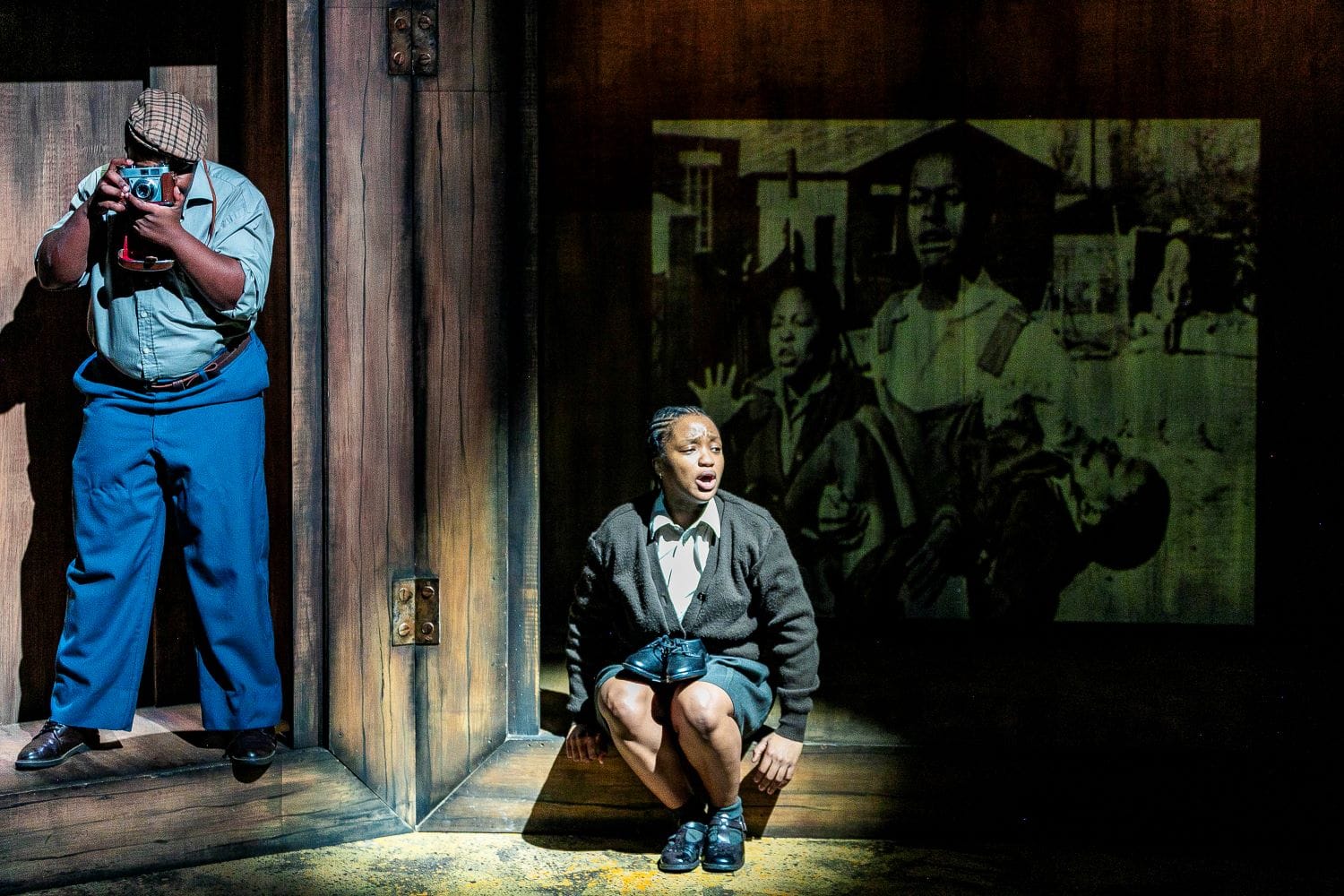
Playwright and director Tiisetso Mashifane introduces the first scene of her play, Rise ‘76 – currently on stage at the Market Theatre in Newtown—with childhood innocence and the inclination to be kind and generous. By the time the curtain falls, this innocence has been forever stolen and the children’s lives permanently altered.
It is common knowledge that the 1976 Student Uprisings were partly sparked by the apartheid government’s imposition that Black learners be taught in Afrikaans, and the play uses practical examples to contextualise the difficulty. Set in a fictional Soweto high school, the story unpacks how a beautifully platonic friendship between Bafana Buthelezi (played by Alex Sono) and Kedibone Moloi (played by Zilungile Mbombo) transformed into a clash with their principal, and ultimately with the apartheid forces, as the best friends led their schoolmates through one of the most tragic events in South African history.
“What is a parallelogram in Afrikaans?” one student asks, highlighting that teachers who had been trained in English could not have been equipped to educate in Afrikaans. This adds another layer to the apartheid government’s attempts to oppress Black minds and leave our people behind.
The play unpacks the perspective of the teachers who witnessed the 16 June massacre, the devastation that gripped the community, and the trauma experienced by the first responders and medical staff who treated the victims. Mashifane and her cast paint a bleak picture of the psychological debilitation resulting from the carnage. What was meant to be a peaceful protest by unarmed young people, with no intention to provoke the police, swiftly turned into a bloodbath as tear gas, apartheid-trained police dogs, and live ammunition were unleashed.
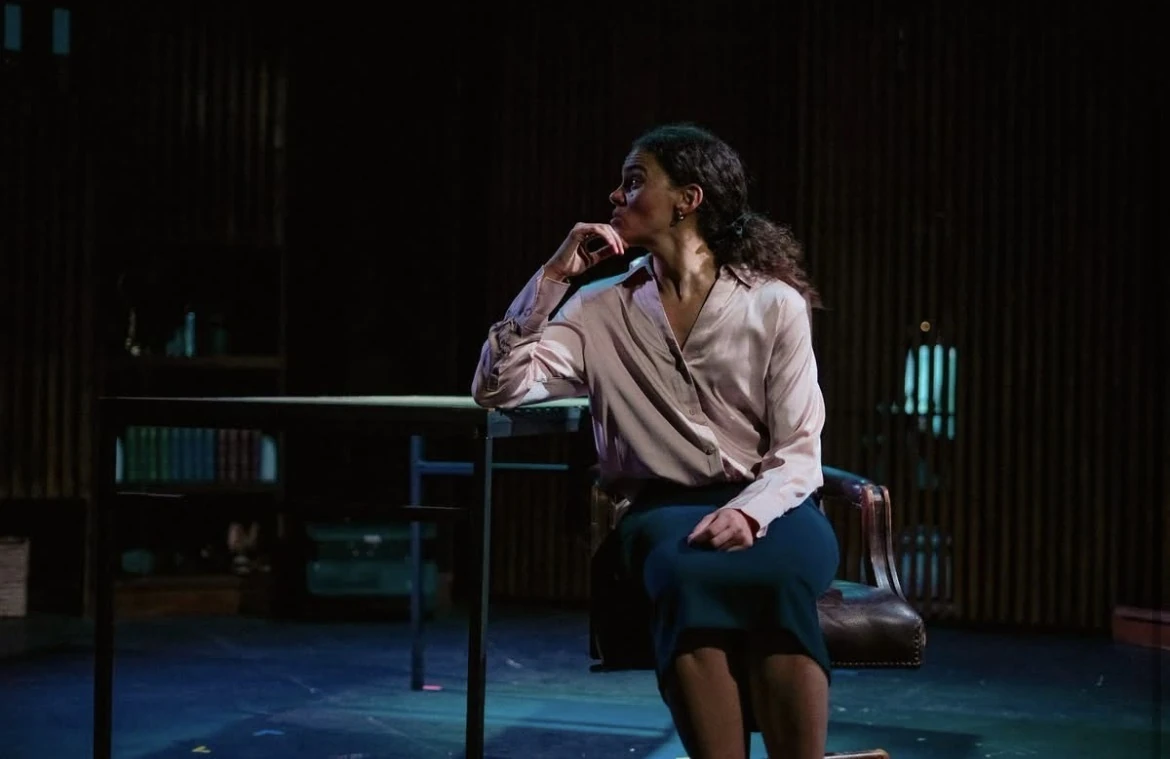
The scene where Miss Moloto, played by Mfuneli Ntumbuka, has an enduring panic attack puts into perspective how the massacre was as much about loss of life as it was about loss of sanity, leaving a trail of dead men and women walking in the Black community.
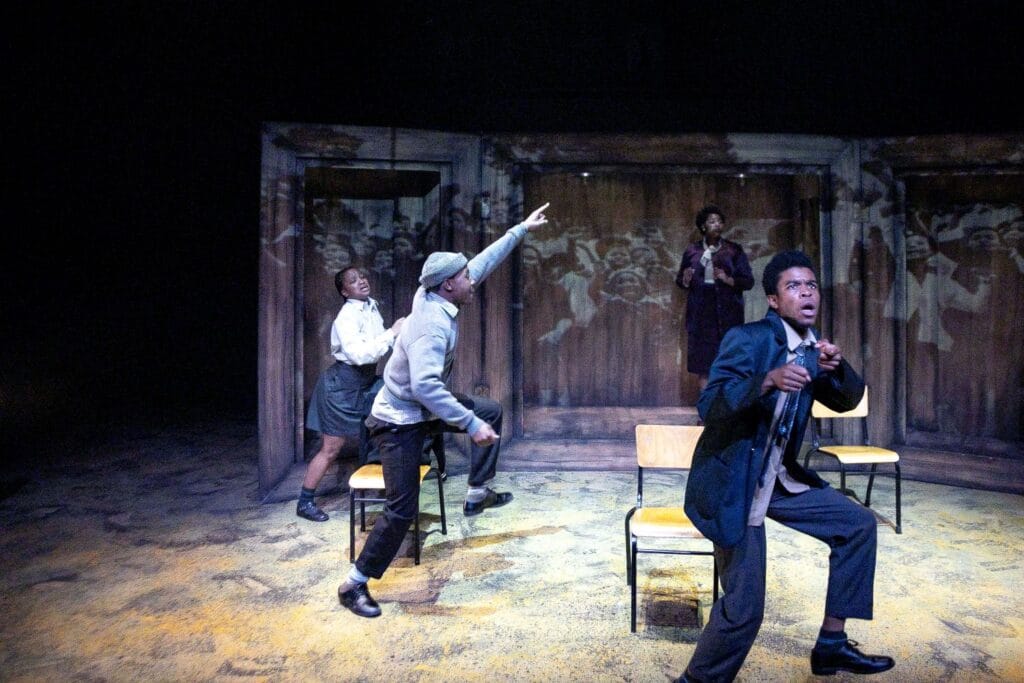
“You have to imagine this teacher watching all of this happening in her class, watching her children taking bullets.”
“I think people forget the kind of emotions that are triggered. If you see someone get shot you’re going to hyperventilate. It’s quite taxing on the actress and the vocal performance is hard for her,” Mashifane explains.
The director has a clear grasp on the impact of trauma on the human body and how the resulting physical reactions are involuntary. This is evidenced by the emotional density in the auditorium just before the play cuts into an interval because. It is perfectly timed, as the final scene before the interval is so harrowing that it demands both the cast and audience take time out to self-soothe.
The director describes herself as a big fan of medical dramas such as Grey’s Anatomy and Chicago Med. Her observation is that occasionally, a mass casualty event will be introduced where all the medical staff will be busier than usual. This brought her to the realisation that when June 16 happened, something similar must have unfolded in local hospitals too.
“This didn’t just happen to the kids. It also happened to the community and to healthcare workers. I was curious about a teacher who had 60 students and ended up with 39 kids afterwards. What was her story? Those children had parents. How were they impacted?”
In a previous interview, Sarafina! director Mpho Molepo lamented how no investment was made in the mental health of apartheid victims, survivors, and their families. Mashifane shares this sentiment, revealing that she consulted her therapist before penning the play.
“Having my own mechanisms in place made it easier to remember that this is bigger than me,” she says. The director shared all the testimonies that inspired the script with her cast and, for two weeks before commencing rehearsals, the creative team unpacked these recollections and engaged in intense conversation to psychologically prepare for the task at hand.
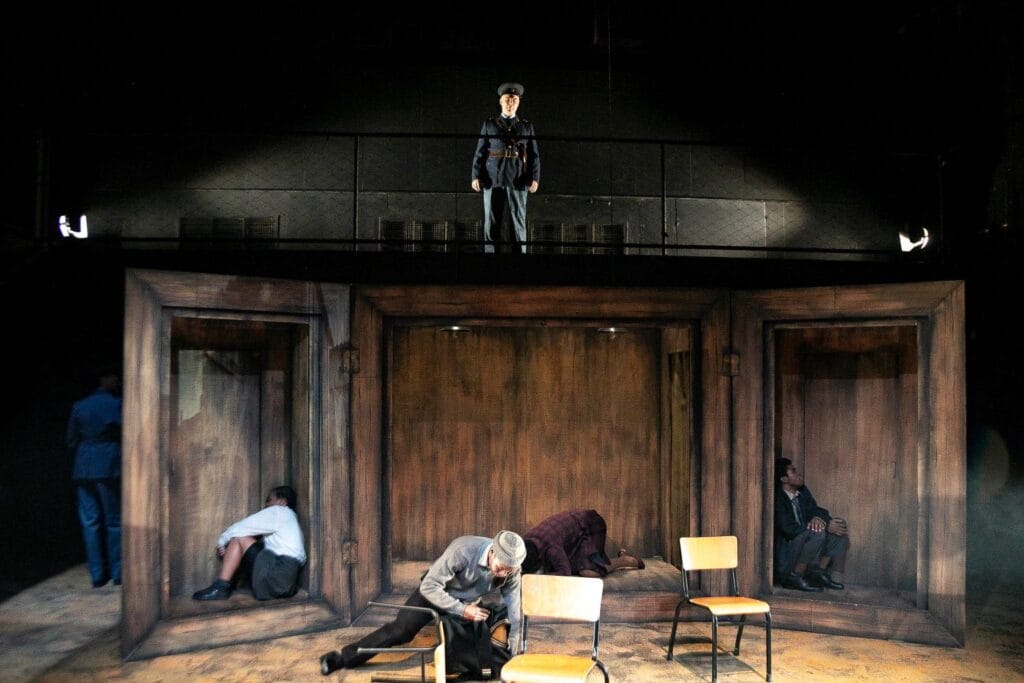
Ben Albertyn’s ability to switch from an empathetic doctor to a racist apartheid police officer is commendable.
A lot of storytelling revolves around the “what happened”, and seldom does a piece of art so immaculately capture the “how were the survivors and victims’ families affected”. In conclusion, Mashifane says calling 16 June 1976 an uprising gives the day a heroic connotation; however, it is important to remember that in essence, this was a massacre and the slaughtered victims were children who should have just been living their lives. Rise ‘76 is on stage until 28 June.


No Comments