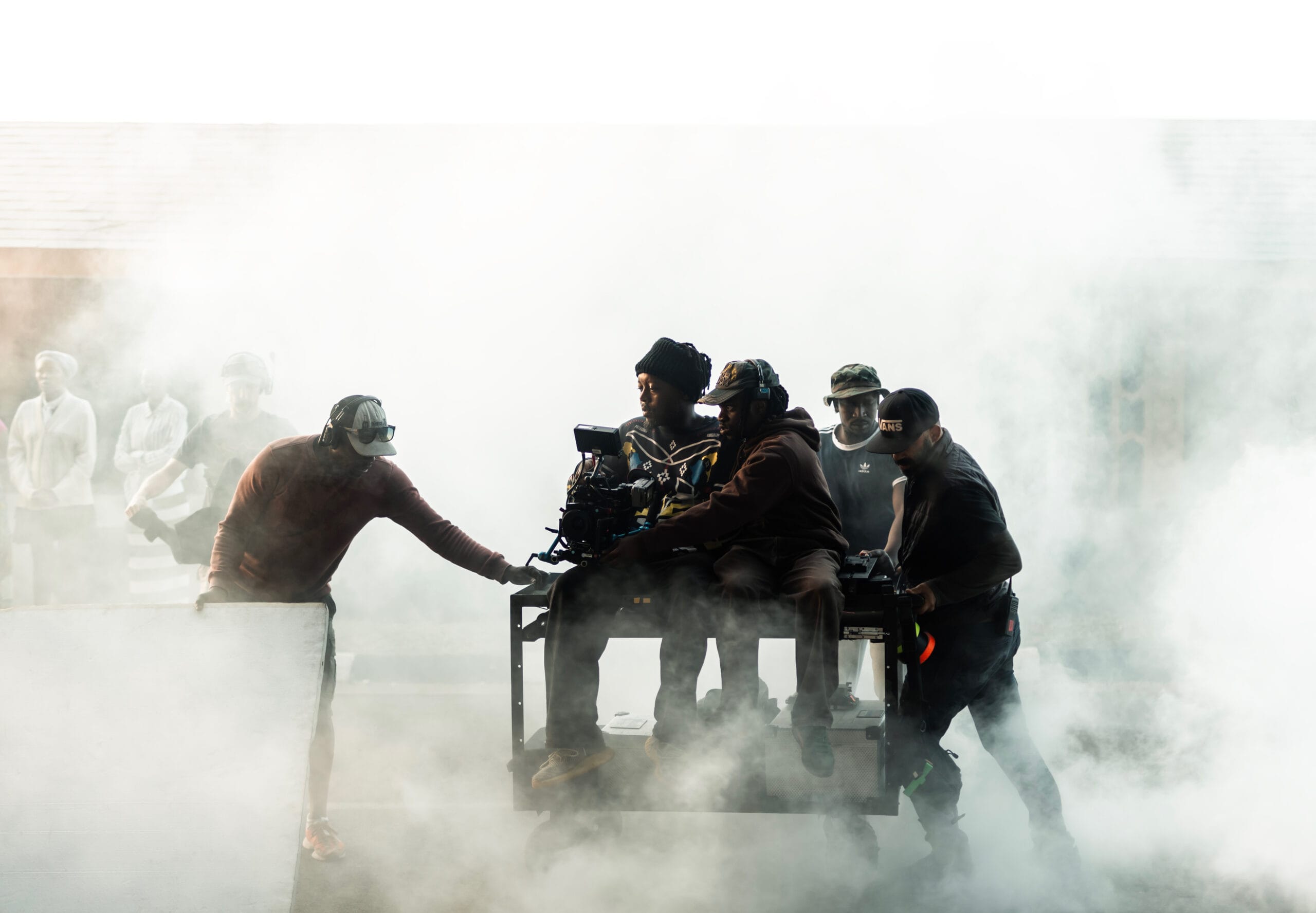
In a global film industry increasingly obsessed with spectacle, franchises and algorithm-driven storytelling, South African filmmaker Tebogo Malope is focused on something far more enduring: memory.
With his latest historical feature, Studying Under the Barrel of a Gun, Malope is not simply revisiting a forgotten chapter of South African history. He is continuing a larger mission that has quietly defined his career — telling South African stories with enough authenticity, ambition and cinematic excellence to resonate far beyond the country’s borders.
At a time when global audiences are increasingly seeking stories rooted in culture, identity and lived experience, Malope is emerging as one of a new generation of filmmakers determined to ensure that South Africa’s most important narratives are not only preserved, but elevated.
His latest film, adapted from Studying Under the Barrel of a Gun by Ernest Khosa, revisits the student resistance movement that emerged during the apartheid military occupation of the University of the North, commonly known as Turfloop, in June 1986. While many South Africans are familiar with the broader story of youth activism during apartheid, the events at Turfloop remain one of the country’s most significant yet underexplored acts of resistance.
For Malope, bringing this story to the screen was never simply about documenting history.
It was about reclaiming it.
“History becomes vulnerable when it is not retold,” says Malope. “The stories of young people who risked everything for freedom deserve to exist in spaces where future generations can engage with them, learn from them and be inspired by them.”
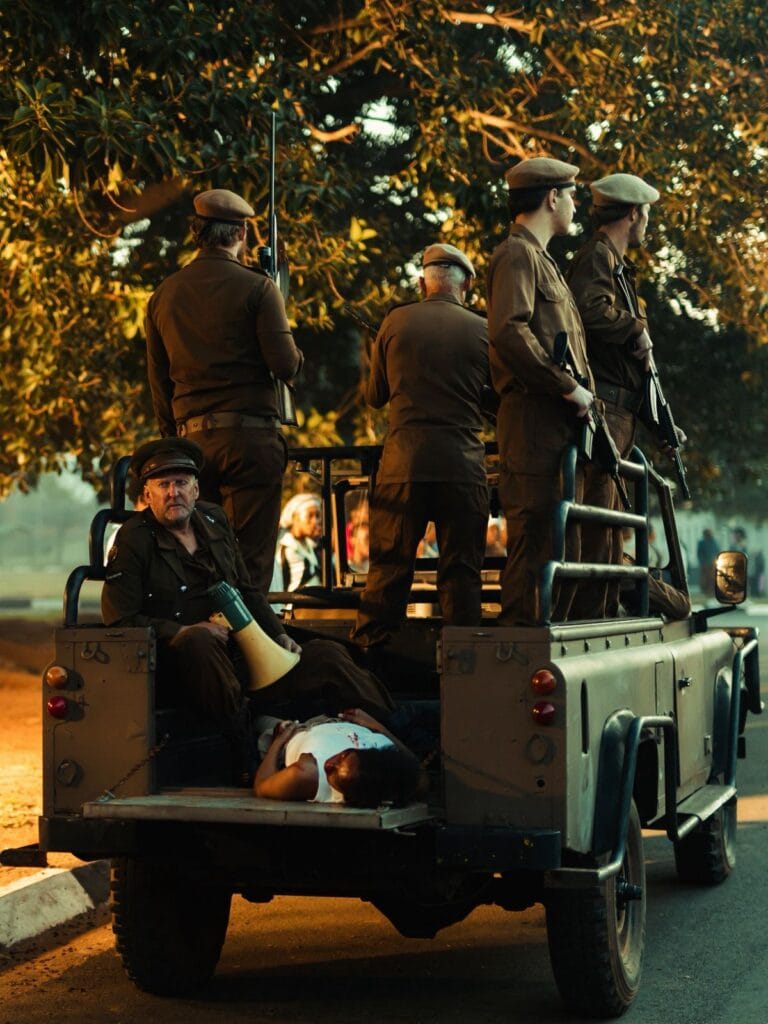
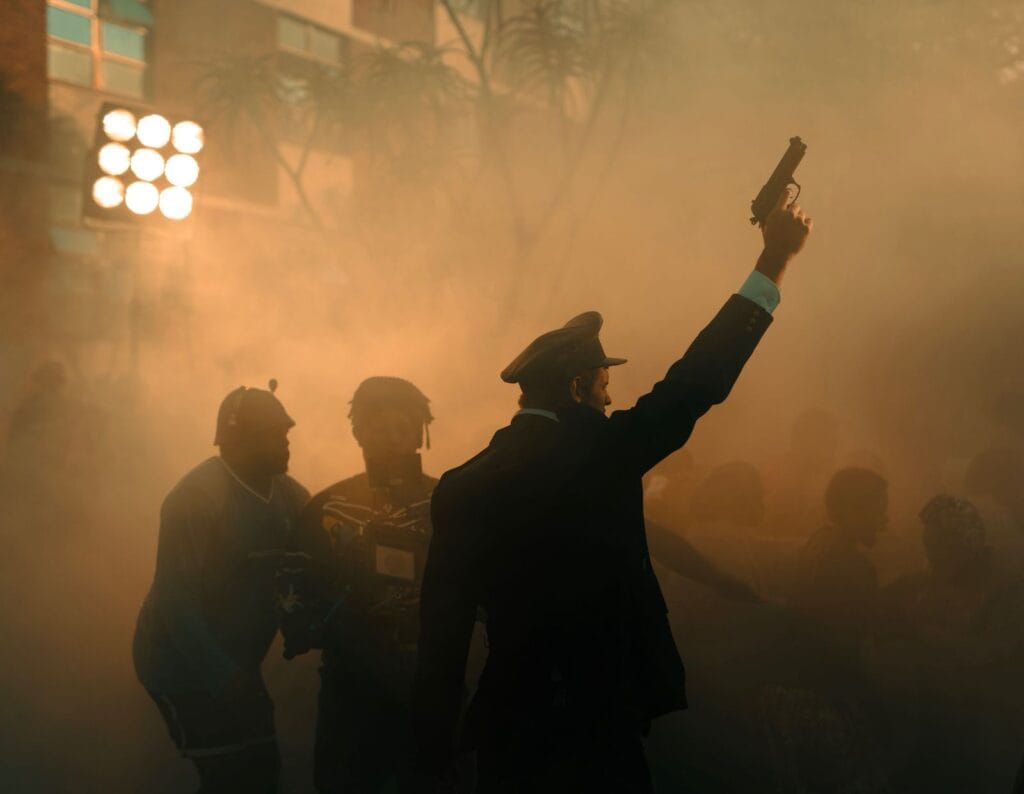
That philosophy sits at the heart of Studying Under the Barrel of a Gun. The film follows students navigating the political, emotional and psychological realities of life under military occupation, capturing not only the brutality of apartheid but also the courage, hope and leadership that emerged in response to it.
Yet what makes the project particularly significant is how Malope approaches historical storytelling. Rather than presenting history as a distant lesson, he frames it through deeply human experiences — allowing audiences to connect with the fears, ambitions and convictions of a generation that refused to accept injustice.
It is a storytelling approach that has become increasingly important in contemporary cinema.
Around the world, filmmakers are reintroducing audiences to national histories through emotionally driven narratives. From African epics to global award-winning dramas, audiences are proving that they are hungry for stories that offer both cultural specificity and universal relevance. Malope believes South Africa has an abundance of these stories waiting to be told.
“We have some of the most powerful stories in the world,” he says. “The challenge is believing that they deserve to be told on the biggest stages.”
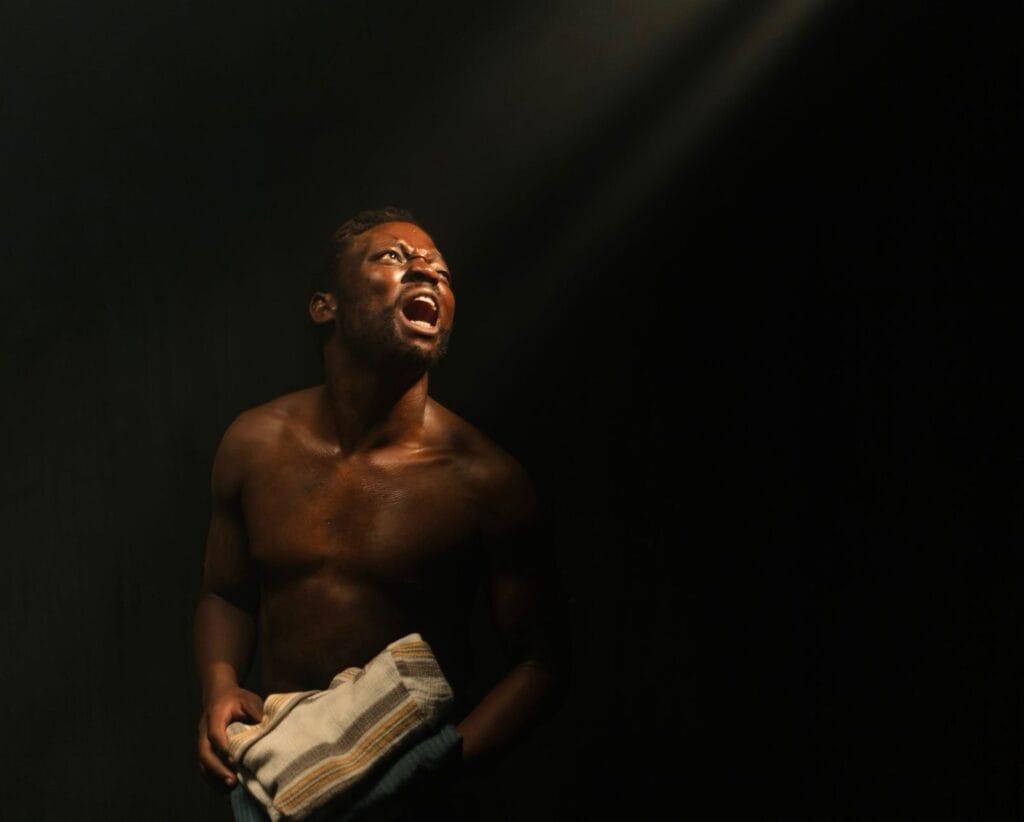
That belief is evident in every aspect of the production. The film introduces rising talent Kgwadi Selolo in his first major screen role, supported by an accomplished cast that includes Molefi Monaisa, Nat Ramabulana, Nthati Moshesh and Andre Odendaal.
Adding further weight to the film is Cornet Mamabolo, who appears as legendary youth leader Peter Mokaba while also serving as an executive producer. The project also features appearances by Limpopo cultural icons King Monada and Mashabela, further grounding the film within the province whose history it seeks to honour.
For Nounouche, however, the significance of Studying Under the Barrel of a Gun extends beyond its cast, its historical subject matter or even its release.
The film represents a broader shift taking place within South African cinema — one where filmmakers are no longer waiting for international validation before telling stories that matter.
Instead, they are building cultural archives through film.
They are documenting communities, preserving memories and creating narratives that might otherwise disappear with time.
In this regard, Tebogo Malope is doing more than directing films. He is contributing to the preservation of South Africa’s collective consciousness.
As the country continues to reflect on the legacy of youth activism, democracy and freedom, Studying Under the Barrel of a Gun arrives as both a historical drama and a cultural intervention. It reminds audiences that many of the rights enjoyed today were secured by young people who believed change was possible, even when the odds suggested otherwise.
And perhaps that is what makes Malope’s work so relevant right now.
His films are not merely about the past.
They are conversations between generations.
They challenge South Africans to remember, to reflect and, most importantly, to recognise that their stories are worthy of the world’s attention.
With Studying Under the Barrel of a Gun, Tebogo Malope once again demonstrates that South African history is not a niche subject reserved for textbooks. In the hands of visionary filmmakers, it becomes compelling cinema capable of moving audiences from Turfloop to Toronto, from Johannesburg to Los Angeles.
The world is increasingly looking to Africa for stories.
Filmmakers like Tebogo Malope are making sure South Africa is ready to tell them.



No Comments