There is something quietly revolutionary happening in African fashion. It is no longer only about what walks the runway or hangs on a retail rail. Increasingly, it is about what is reclaimed, reimagined and rebuilt.
At this year’s AllFashion Sourcing Cape Town 2026, sustainability is no longer a conversation happening on the sidelines. It has become the heartbeat of an industry discovering that its greatest resource may be what others once overlooked.
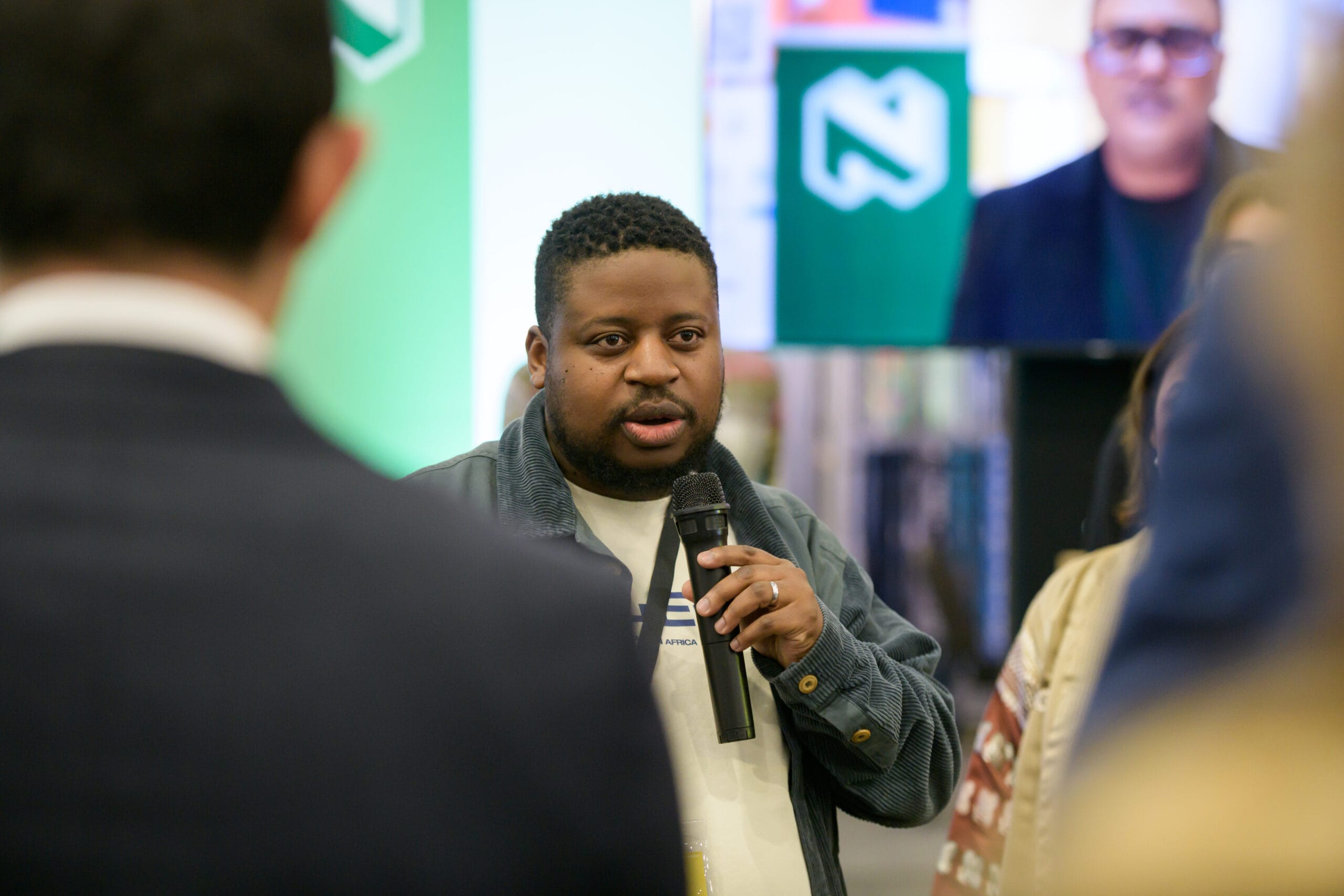
Returning to the Cape Town International Convention Centre (CTICC 2), AllFashion Sourcing once again brought together designers, manufacturers, retailers, entrepreneurs, policymakers and innovators from across Africa and beyond. But this year’s gathering signalled something even bigger: a growing movement that sees fashion not simply as an industry, but as an economic engine capable of creating opportunity, restoring communities and reshaping the future.
For Nounouche, that shift feels deeply African.
Across the continent, creativity has always been born from resourcefulness. What is changing now is that innovation is finally being recognised as serious business.
One of the defining moments of this year’s event is the launch of Nedbank’s Fashion Accelerator, a programme designed to help high-potential fashion and clothing SMEs become contract-ready suppliers with access to formal retail, procurement and export markets.
For many emerging designers and manufacturers, talent has never been the challenge. Access has.
The accelerator aims to bridge that gap by equipping businesses to move from promising ideas to sustainable enterprises capable of competing on larger commercial stages.
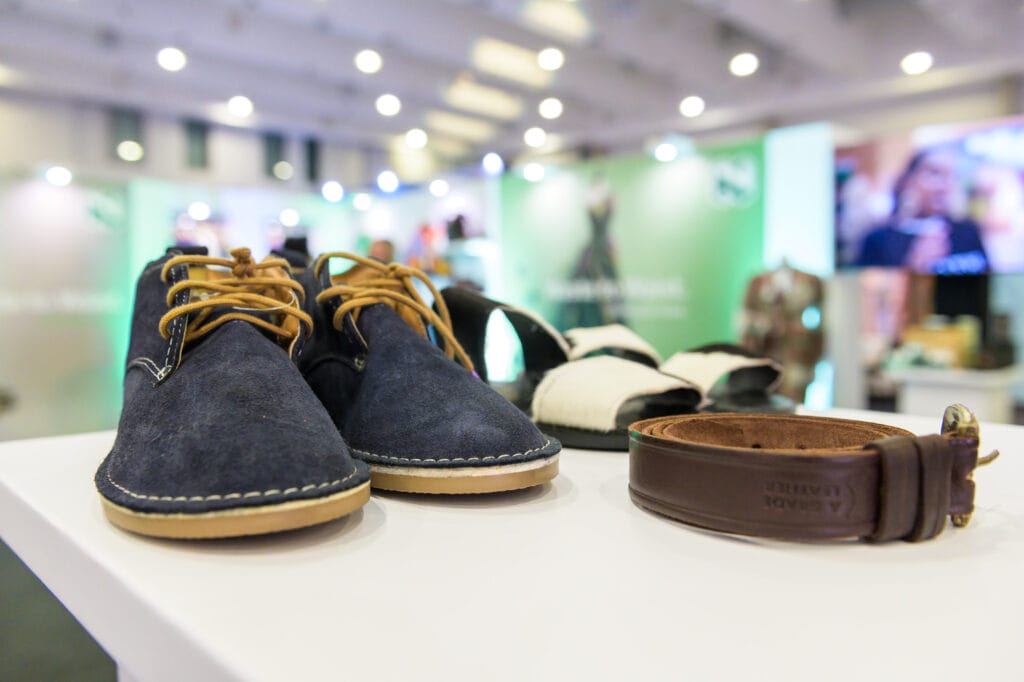
It is an investment in African creativity that extends beyond design, focusing on long-term business growth, job creation and market expansion.
At the same time, Nedbank is placing the spotlight on another powerful idea: that waste itself can become wealth.
The bank’s presence at AllFashion Sourcing celebrates what it calls the “hidden value” within discarded materials, challenging businesses and consumers alike to rethink what sustainability truly means. Through Green Economy enterprises transforming waste into products, businesses and employment opportunities, the initiative demonstrates that environmental responsibility and economic growth are no longer opposing goals. They are becoming partners.
“Fashion has the power to create far more than trends,” says Maluta Netshaulu, Head of Social Impact Portfolio Development at Nedbank.
“At Nedbank, we believe the future belongs to those who see value differently. Through the Fashion Accelerator programme and our Green Economy initiatives, we’re investing in entrepreneurs who are transforming creativity into commercially ready businesses while building a more inclusive, sustainable economy. Every garment, every recycled material and every emerging enterprise represents an opportunity to create jobs, unlock innovation and prove that Africa’s fashion industry can lead with both purpose and profitability.”
That philosophy echoes throughout this year’s programme.
Alongside world-class exhibitions, visitors experienced WGSN’s Fashion Aesthetic Drivers 2028 presentation, sustainability discussions, business matchmaking sessions, innovation showcases, the Young Designer Competition Finals and conversations exploring the future of South Africa’s clothing, textile, footwear and leather industries.

It is an ecosystem where creativity meets commerce, where designers meet manufacturers, and where ideas find the partnerships needed to become businesses.
The most exciting trend emerging from AllFashion Sourcing this year isn’t a colour palette or silhouette.
It’s a mindset.
One that believes discarded materials can become luxury products. That small businesses can become export-ready enterprises. That fashion can generate dignity alongside profit. And that Africa’s greatest competitive advantage may not simply be its creativity, but its ability to imagine value where others see none.




No Comments