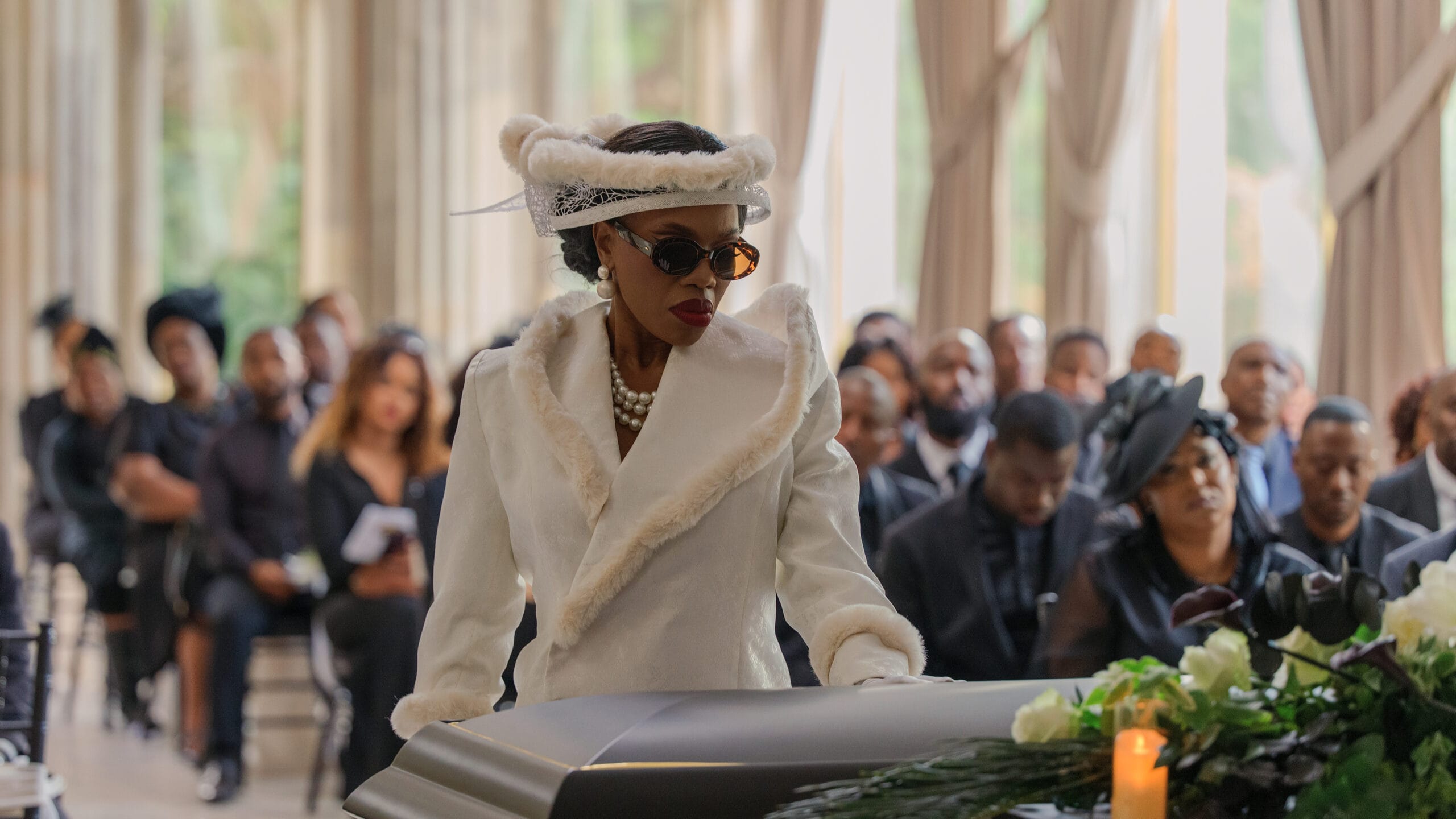
Netflix’s The Polygamist opens with emotional intensity that quickly spirals into carefully curated chaos. Every episode felt like emotional whiplash. The characters frustrated me. Their decisions irritated me. Yet I could not stop watching, every episode left me cringing, outraged or questioning what I had just watched.
The Power of Storytelling
The Polygamist uses outrage and discomfort as a powerful storytelling tool that pulls viewers in. Every scene challenges audiences to interrogate their assumptions about marriage, power, loyalty, trauma and self-preservation. The series leaves viewers wrestling with difficult questions.
Why do people stay in relationships that no longer serve them? What role does power play in the choices we make? How does childhood trauma shape adult behaviour?
The brilliance of the series lies in its refusal to provide easy answers. Instead, it invites viewers into conversations that are often uncomfortable, deeply personal and impossible to ignore.
South Africa’s Group Chat Moment
Within days of its premiere, social media platforms transformed into one big family group chat. Viewers debated character motivations with the intensity usually reserved for politics, sport or current affairs.
Discussions quickly expanded beyond the storyline. Audiences debated the role of sex scenes in storytelling, analysed fashion choices, discussed HIV and AIDS representation and argued over plot twists.
One of the things I appreciate most about South African audiences is that we do not passively consume content. We interrogate it. We challenge it. We use stories as mirrors to examine our own relationships, communities and social realities.
The response to The Polygamist revealed that audiences were invested in the questions the story was asking.
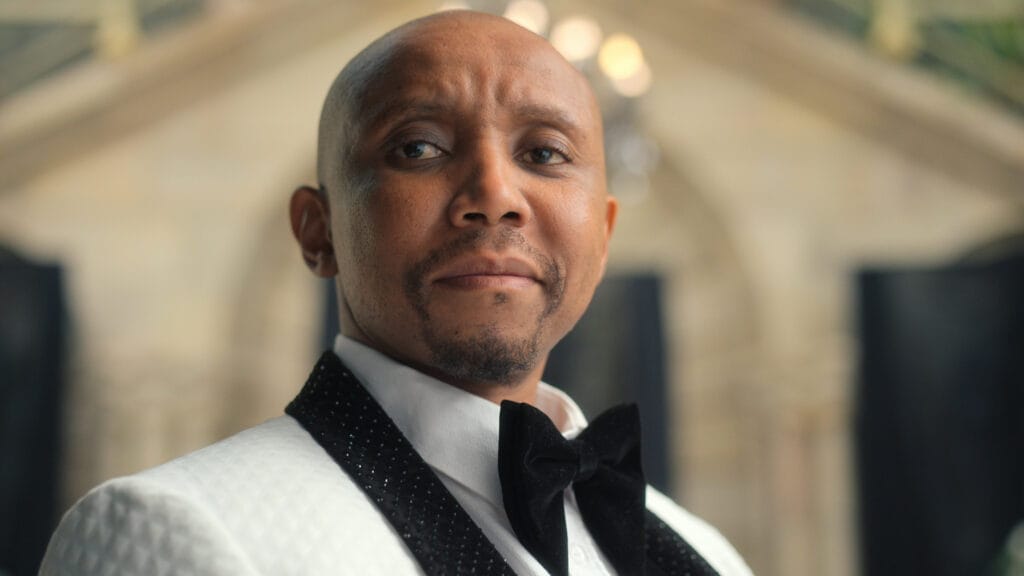
What the Numbers Tell Us
The numbers help explain why this conversation extended far beyond South Africa’s borders.
According to Netflix’s Weekly Top 10 rankings, The Polygamist entered South Africa’s Top 10 within 24 hours of its release on 12 June 2026. Netflix reported that during its first week the series generated approximately two million views and more than 19 million hours watched, placing it among the platform’s most watched non-English language titles globally.
According to Stained Glass Productions, the production company behind the series, The Polygamist climbed to number three worldwide and reached the number one position in sixteen countries across Africa, Europe, Asia and the Caribbean.
For years, African stories were expected to adapt themselves for international audiences. Local nuance was often treated as a limitation rather than a strength. The Polygamist succeeded by remaining proudly African and trusted global audiences to meet it where it was.
Presented in both isiZulu and English, the series travelled across borders without compromising its identity. That achievement speaks to a growing international appetite for authentic African storytelling.
The Black Women Behind the Scenes
At the centre of this success is author Sue Nyathi, whose bestselling novel provided the foundation for the series. What began as a story on a page evolved into a global television phenomenon, sparking conversations across continents.
Her journey deserves recognition, alongside women such as Gugu Zuma Ncube, and Thuli Zuma who played key roles in bringing the adaptation to life.
The success of the series also reflects the growing maturity of South Africa’s film and television sector. Industry estimates suggest that the sector contributes between R7 billion and R12 billion annually to the national economy. The Polygamist represents what becomes possible when investment, infrastructure and exceptional storytelling intersect.
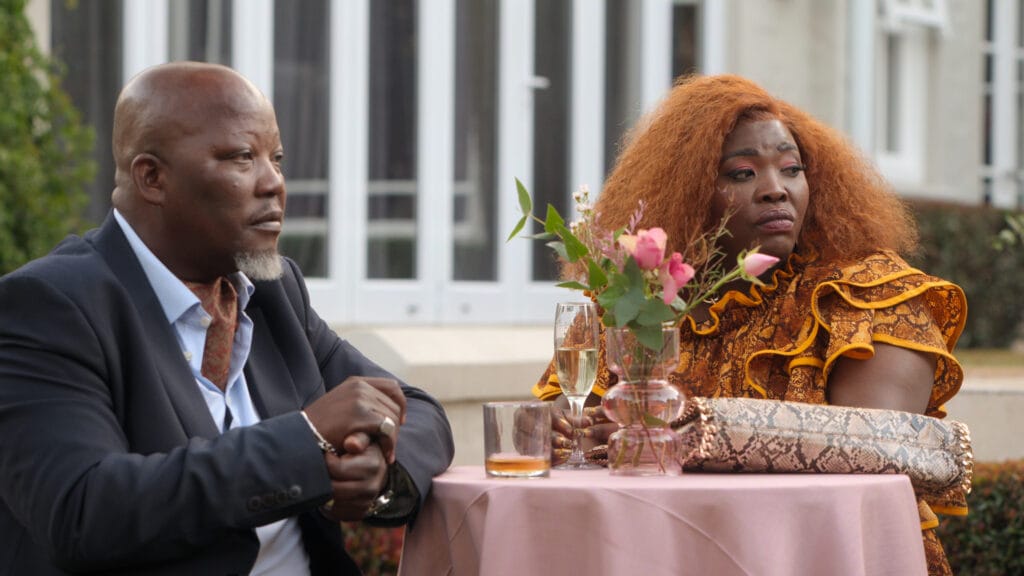
The Real Plot Twist
The legacy of The Polygamist will not be measured solely by streaming figures, rankings or social media trends. Its true significance lies in the way audiences responded to it. For me, that is the real plot twist.
What fascinates me most is the show’s ability to collectively trigger us, challenge our assumptions and still earn our admiration.
Perhaps that is because the series was never really about Jonasi. It was about us.
South Africans turned The Polygamist into a cultural moment. It reminded us that the most powerful stories leave us examining ourselves long after the credits fade away.
If you are still not sure what the hype is about – watch the trailer here – https://youtu.be/L81bXAxTLqQ?si=2kzZacnyyXkx-x2a



No Comments