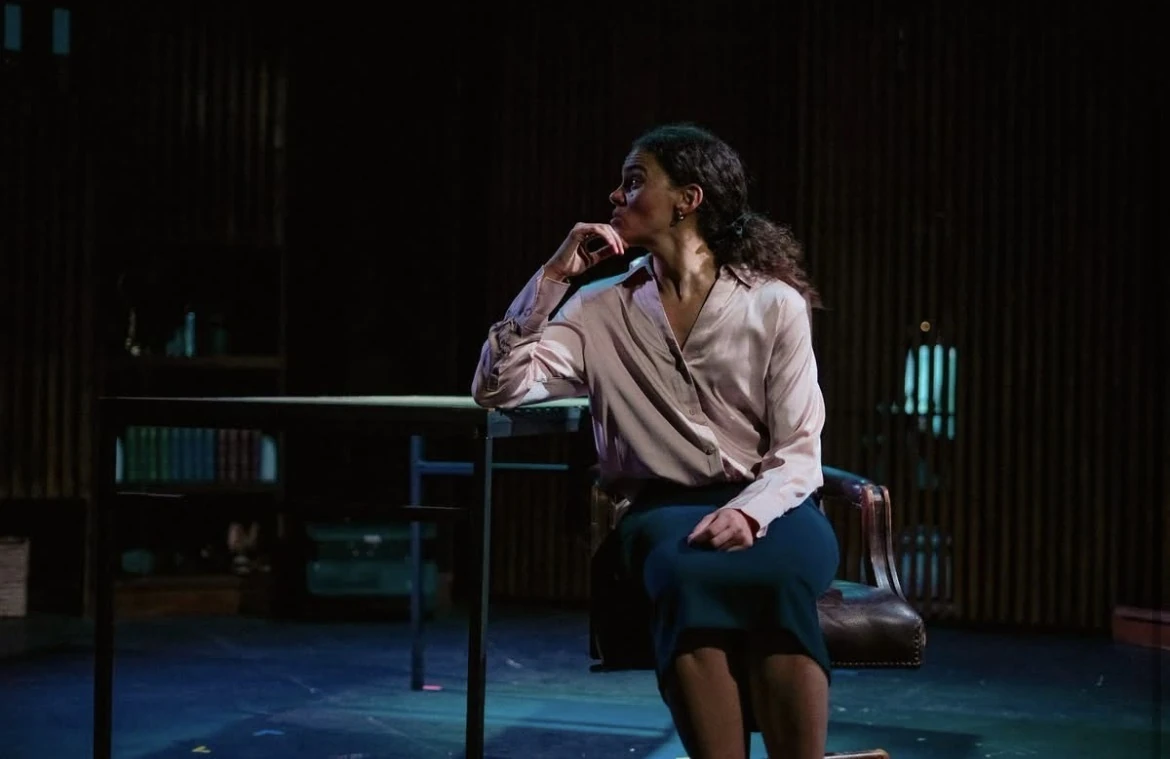
“You don’t need to prove whether or not the sex was consensual. You only need to plant the doubt that the alleged perpetrator believed it was,” is how defence advocate Tessa, played by Danica De La Rey Jones, approached sexual assault cases until life flipped the script on her when she was personally violated.
There is an eerily intentional truthfulness to the production being a one-woman play that speaks directly to the solitary confinement of navigating the trauma of being raped or sexually assaulted. When Tessa is struck with the excruciating realisation that the perpetrator and victim knowing that a rape occurred means very little to the legal system when this cannot be backed by solid evidence, she discovers just how broken the system is.
A distraught Tessa describes rape as being distinctly different from a housebreaking or theft, saying it is a crime against the person.
This is not an attempt at minimising the trauma of being the victim of another crime, but unlike a house you can move out of at will or a material possession you can replace at your own pace, victims of sexual assault have no escape because the body they live in daily is the actual crime scene.
There is no distracting yourself or getting your mind off things because the brain you use to make these choices is trapped in the same body that now houses the lifelong memory of being sexually violated.
No amount of education, sophistication and legal expertise can make up for the fact that the recollection of rape can never be completely accurate because of the victim’s neurological response to the severity of this trauma. The lawyer’s own experience opens her eyes to how flawed the investigations and trials of rape are when approached from the same point of view that the legal system uses for crimes that do not happen to the human body; particularly, crimes that happen to parts of our bodies that are meant to be private.
The play traces Tessa’s life story back to a childhood of being raised by a mother who cleans offices. “Offices like the one I work in” is the defence lawyer’s observation as she reflects on the hardship with which her mother raised her.
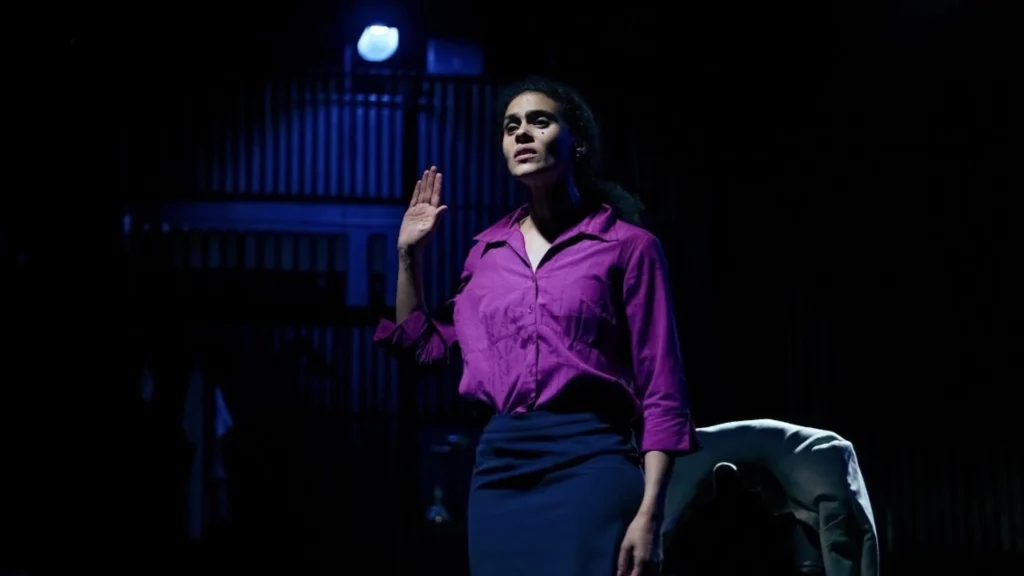
One of three siblings, her older brother has resigned himself to an ambitionless life, solely depending on his mother and not actively making any effort to change his circumstances. Her youngest brother is a typical young man whose escape is video games and the accompanying headsets.
Sharing her university memories, Tessa recalls being made to feel that she didn’t belong with her trust-fund baby classmates, despite having earned her place at law school with outstanding academic prowess.
The script does a decent job of straying away from the “perfect victim” stereotype by placing the burden of dealing with sexual assault on an educated, successful lawyer.
Still, I struggle with her background because despite her success, Tessa came from very difficult, very humble beginnings. This for me is counterproductive because it insinuates that women who come from “certain backgrounds” are more susceptible to sexual assault than others. Creating a character who beats the odds, only to drag them back to the gutter reinforces the same classist stereotypes that the play attempts to critique, and suggests that she is inherently vulnerable because of her background.
The play is not only topical for a South African audience because of the recent discoveries of 12 murdered women’s bodies in Ekurhuleni, but it also mirrors the allegations that have been levelled against disgraced top cop Shadrack Sibiya. While Tessa and her assailant are around the same age and are both legal experts, he was born with a silver spoon in his mouth to a father whose connections make him untouchable.
Prima Facie was initially scheduled to run until 4 October but due to popular demand, the Market Theatre has extended the run to 11 October.


No Comments