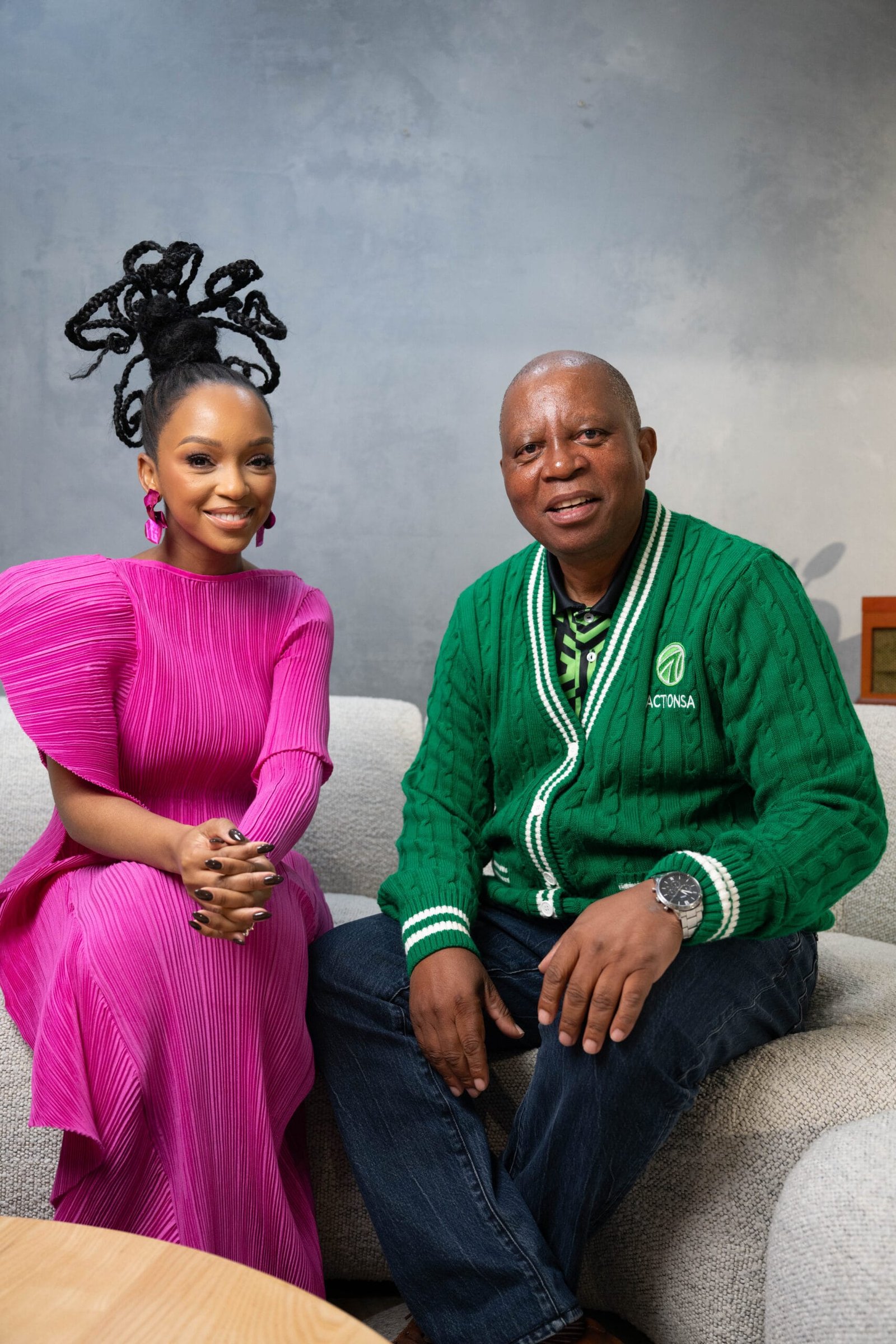
With its new Election Series, The Motherhood Network is creating space for mothers and families to engage directly with political leaders, interrogate the issues shaping their everyday lives and make informed decisions ahead of the 2026 Local Government Elections.
As South Africa approaches its 2026 Local Government Elections on 4 November, The Motherhood Network is bringing the conversation about leadership, accountability and the future of local communities into the spaces where families live, work and raise the next generation.
The platform is launching an Election Series designed to give mothers and mother-led communities direct access to political leaders and diverse perspectives on the issues that will shape their lives. At a time when decisions about local governance have tangible consequences for households, from service delivery and infrastructure to safety, education and the economic prospects of families, the series seeks to make political engagement more accessible, relevant and informed.
The first instalment features ActionSA leader Herman Mashaba and premiered on Sunday, 11 October 2026, at 07:00 CAT. An upcoming conversation with Economic Freedom Fighters leader Julius Malema will continue the series, with further engagement intended to bring a range of political voices into the conversation.
At its heart, the initiative is built on a simple but significant premise: mothers are not merely observers of South Africa’s political future. They are citizens, decision-makers, community builders and economic contributors whose daily experiences offer an important perspective on the leadership and governance of their communities.
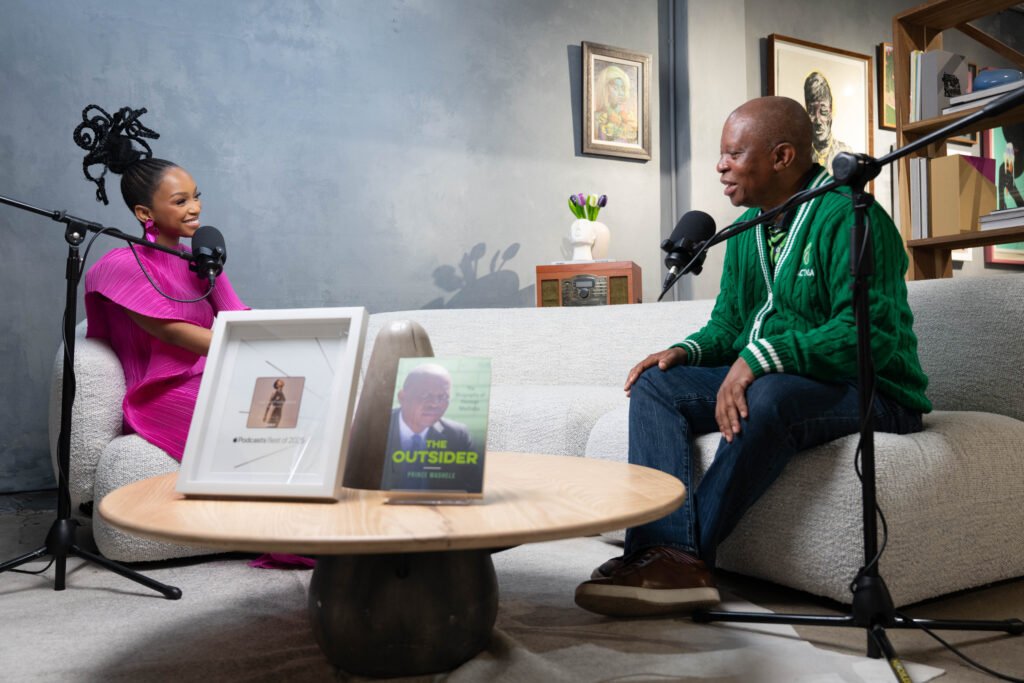
For mothers navigating the realities of raising children, managing households and building financial security, local government is not an abstract political concept. Its decisions are experienced in the availability of water and electricity, the condition of roads, access to reliable public services, the safety of neighbourhoods and the opportunities available to young people. These are the issues that make conversations about political leadership particularly necessary as voters prepare to cast their ballots.
By creating a platform for direct engagement, The Motherhood Network hopes to move beyond political commentary and encourage meaningful conversations about what leadership looks like in practice, what communities should expect from those who seek public office, and how citizens can hold elected representatives accountable.
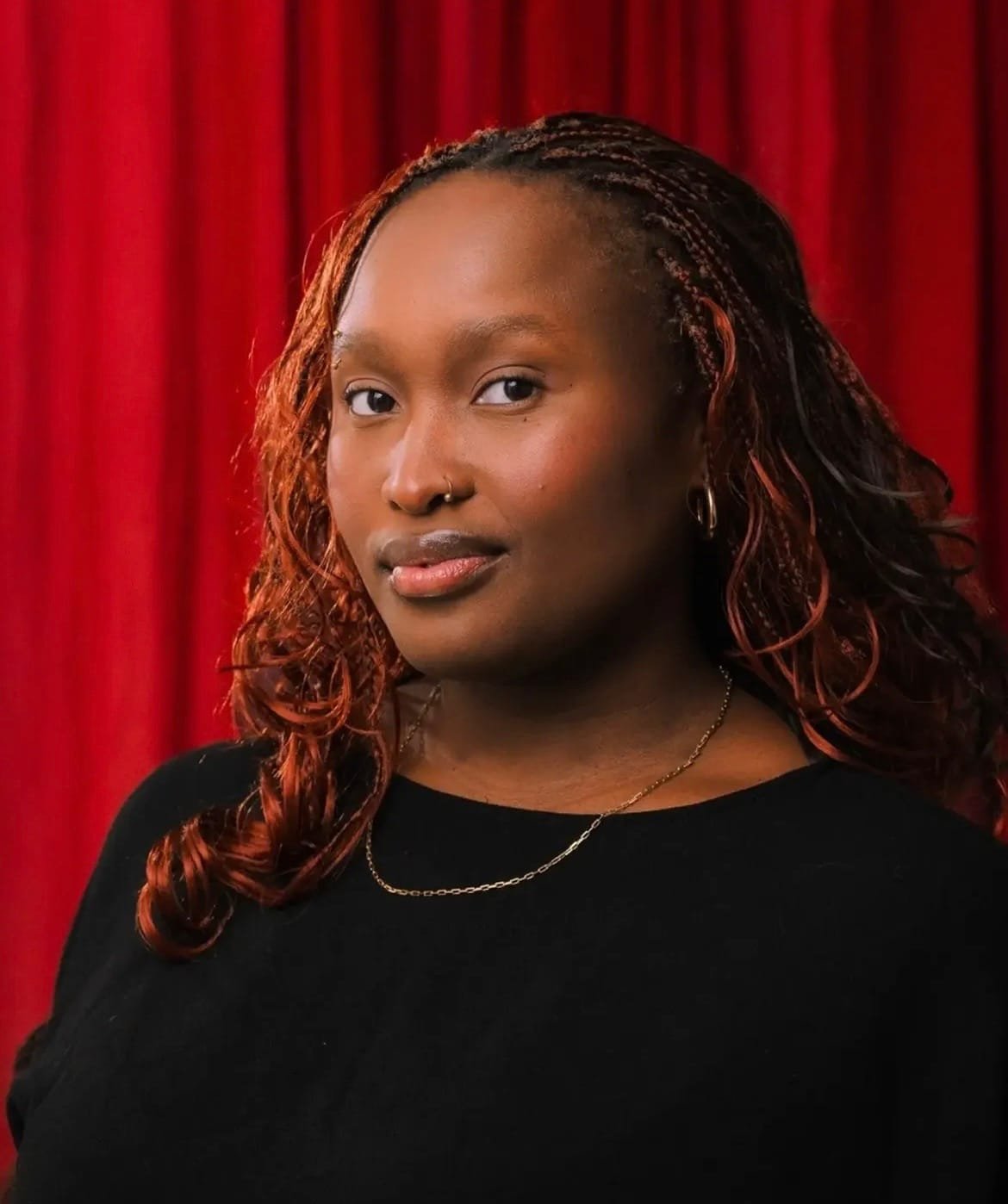
Nandi’s vision: Building a platform where motherhood meets public life
The Election Series also reflects the broader contribution of Nandi to South Africa’s entertainment and media landscape. Through her work in the entertainment industry, she has been part of a cultural environment that shapes public conversation, influences how stories are told and creates platforms through which people connect with the issues and experiences that define their lives.
Her contribution is significant in the context of an industry that extends far beyond entertainment. Artists, broadcasters, media personalities and cultural platforms have the ability to bring important conversations to wider audiences, translate complex issues into accessible dialogue and create spaces in which people who might otherwise feel excluded can see themselves represented.
The Motherhood Network builds on this intersection between media, culture and community by recognising mothers as an audience deserving of thoughtful, relevant and empowering content, rather than limiting conversations about motherhood to parenting alone. Its Election Series expands that proposition, acknowledging that the lives of mothers are shaped not only by family responsibilities but also by economics, public policy, political leadership and the environments in which their children will grow up.
In doing so, the initiative creates an opportunity to connect Nandi’s contribution to the entertainment industry with a wider conversation about media’s role in public life: not simply to entertain, but also to inform, convene and give people access to perspectives that help them understand the world around them.
Why these conversations matter now
With the elections approaching, the need for accessible and substantive political dialogue becomes increasingly important. Local government elections determine who represents communities at municipal level and influence the leadership responsible for local governance and service delivery. Yet meaningful participation requires more than knowing when to vote. It also requires understanding the responsibilities of local government, examining the promises made by political leaders and asking how proposed priorities will translate into tangible outcomes for residents.
For women and mothers in particular, these conversations can provide an opportunity to raise questions about issues that affect their households, livelihoods and communities, while hearing how different political leaders intend to address them. The value lies not in telling audiences what to think or whom to support, but in giving them the opportunity to listen, question, compare perspectives and reach their own conclusions.
The Motherhood Network maintains that it is independent and not affiliated with or aligned to any political party or organisation. The participation of individual political leaders in the series should therefore not be interpreted as an endorsement. By engaging voices from across the political spectrum, the platform aims to support open-minded dialogue and informed civic participation.

The series arrives at a moment when the relationship between citizens and public leadership deserves sustained attention. For communities to participate meaningfully in democracy, people need opportunities to engage with those seeking their votes, understand the issues at stake and consider the implications of political decisions for their everyday lives.
Through this initiative, The Motherhood Network is positioning mothers and families within that conversation, recognising that the future of local communities is inseparable from the future of the households that sustain them.
As South Africa heads towards the polls on 4 November, the message is clear: the decisions made in local government matter, the voices of mothers matter, and the opportunity to ask questions before election day should not be taken for granted.

No Comments