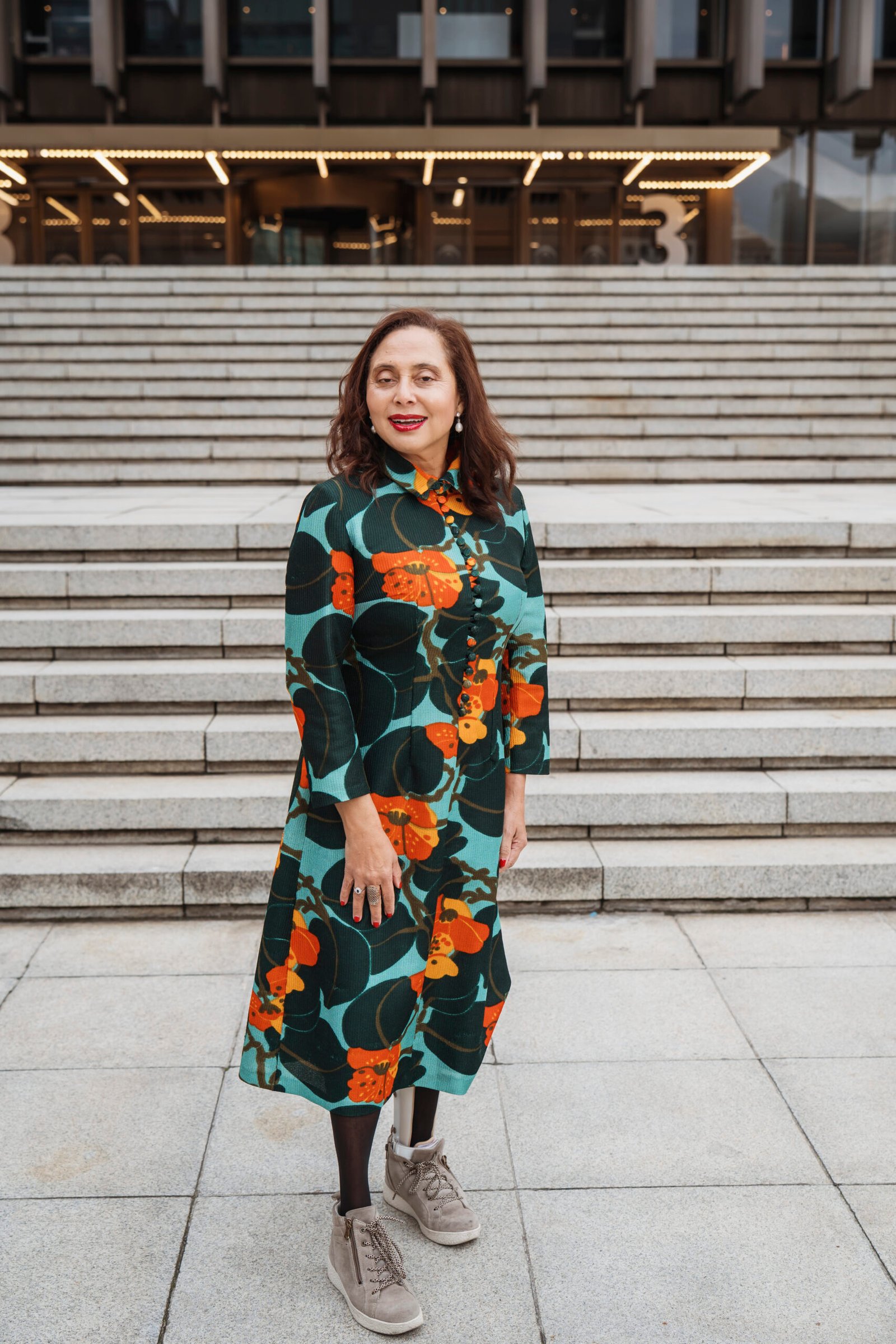
Remember the Oprah Winfrey Show at its peak, when a conversation could challenge what you thought you knew about yourself or the world? Those moments of sudden clarity became known as “aha moments”. I had one of my own when I began questioning my assumptions about Cape Town’s theatre scene.
Rethinking Belonging at Artscape Theatre Centre
For years, I’d convinced myself that Cape Town’s theatre scene wasn’t inclusive, so I rarely considered it an option. Eventually, I grew tired of watching shows on a screen and decided to explore what the city had to offer.
Then I started noticing theatre posters on streetlights. I discovered a world of performances I hadn’t realised was there, from Simphiwe Dana: The Symphonic Experience and poetry and jazz sessions to dance theatre, musicals and even circus acts.
I’d been missing out simply because I’d decided I didn’t belong before giving theatre a chance.
How many of us make similar assumptions about who theatre is for? As Artscape celebrates 55 years under the theme A Place for All, I spoke to its CEO, Dr Marlene le Roux, about creating cultural spaces where everyone feels they belong.
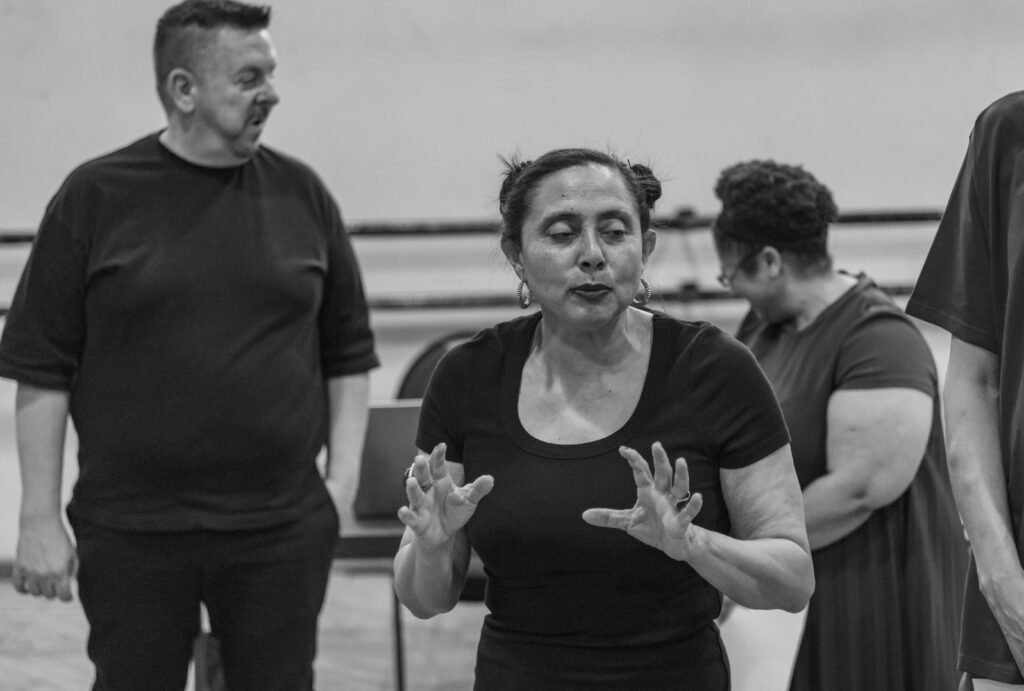
Why the theme “A Place for All”?
Dr Le Roux: We are celebrating 55 years of the Artscape building, but we also recognise that this cultural institution did not serve all the communities in our diverse cultural landscape. When it opened in 1971 as the Nico Malan Theatre, it was reserved for a select white audience and excluded the majority of communities in the then Cape province.
Transformation at the Artscape has been a long journey, and it continues. We keep asking ourselves: who do we still not reach?
What does meaningful inclusion look like beyond opening the doors?
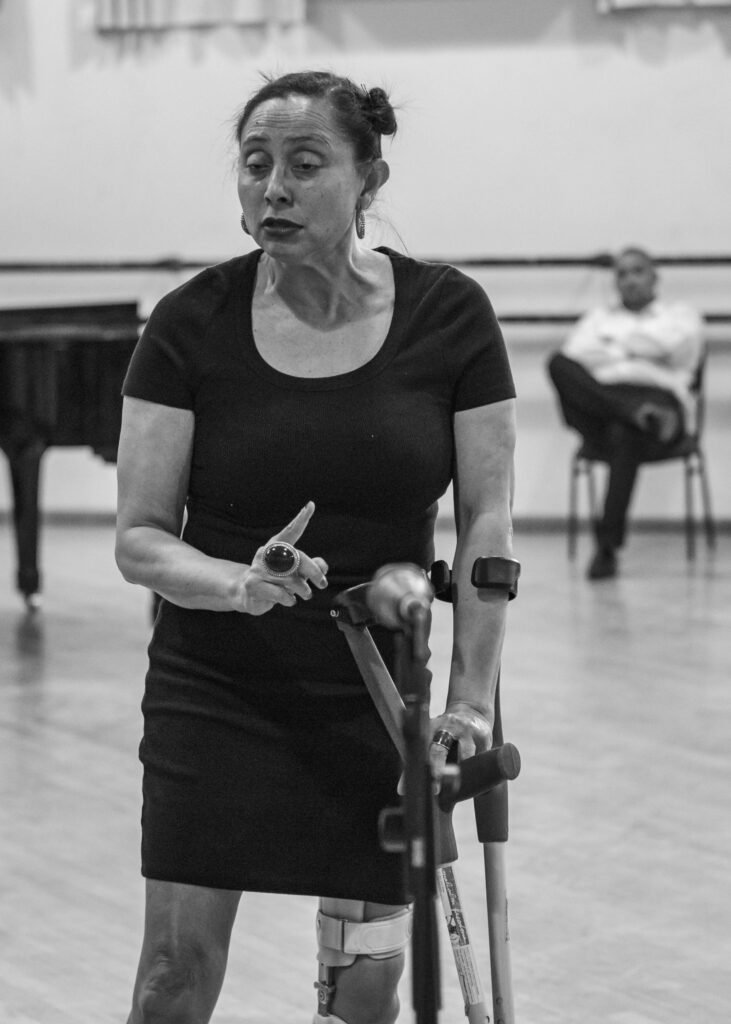
Dr Le Roux: I am a proud woman with a disability. I contracted polio at three months old. Under apartheid, the white doctor could not administer the polio drops when the black clinic ran out. My background taught me what exclusion, prejudice and stereotyping feel like. I was a music teacher in the Eastern Cape and on the Cape Flats, and my studies at UWC showed me how powerfully the arts can bring people together.
Artscape has a responsibility to create an inclusive space where persons with disabilities, alongside young people, children, LGBTQIA+ communities and others feel welcomed. Through our Audience Development and Education Department, rural outreach and Artscape Women’s Humanity Festival, we create opportunities for people who have historically been marginalised to tell their stories.
How does Artscape remain relevant as the creative landscape changes?
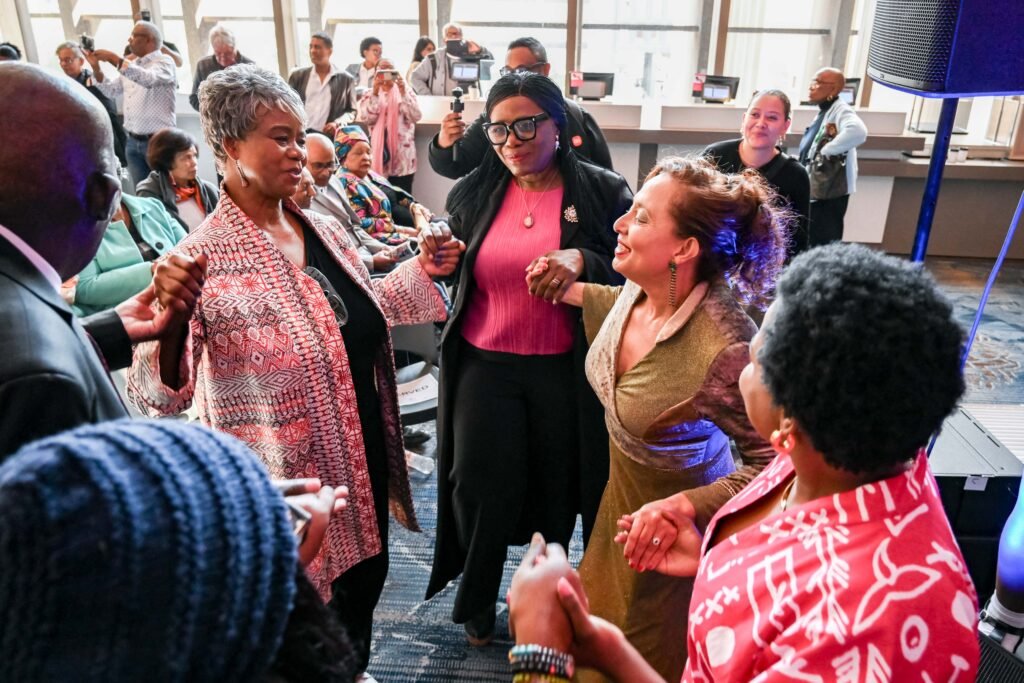
Dr Le Roux: We recently hosted Khayelitsha Fashion Week: The Mother City Fashion Experience, showcasing emerging designers from across Cape Town. Our Wardrobe Department also opened its resources to participating designers, giving them access to costumes, garments and professional support.
This is one example of how we nurture young talent while making the performing arts accessible and ensuring our productions reflect South Africa’s cultural diversity.
The performing arts connect people in a deeply human way. Through storytelling, they reach us intellectually and emotionally, reminding us what it means to be human. Experiencing a performance alongside people from different walks of life, in a particular place and time, is something special.
What must change to secure the future of the arts?
Dr Le Roux: Artists are professionals and should be treated as professionals and paid properly. We need to reconsider our arts and funding policies to give artists the dignity their profession deserves.
We must also maintain and upgrade our facilities and build partnerships that strengthen the performing arts sector and secure artists’ livelihoods.
What would you say to a young artist dreaming of performing at Artscape?
Dr Le Roux: Nurture, practise and hone your art. Build networks with other practitioners but also develop entrepreneurial skills. Learn how to promote and market yourself, write proposals, plan and budget. And be audacious.
A state theatre like Artscape should be the heartbeat for young people to discover themselves, nurture their creativity and become bold, ethical and critical thinkers.
The magic happens when we show up
My biggest aha moment was recognising that transformation is happening, even though there is still work to be done. Leaders like Dr le Roux are helping to create cultural spaces where more people can see themselves represented.
Our presence in the audience is an important part of transformation. Buying a ticket supports the artists telling our stories and helps sustain the spaces where those stories can be shared.
Next time a theatre poster catches your eye, consider booking a seat. You might discover a performer, a story or a perspective you would otherwise have missed.
Live theatre has a magic of its own. Watching an actor bring a story to life just metres away, sharing the laughter, tension and emotion with the audience around you, is an experience a screen cannot quite replicate.
Perhaps A Place for All is also an invitation to question our assumptions and explore spaces we may have dismissed. Transformation requires institutions willing to open their doors, but it also needs audiences willing to walk through them.
So, the next time you see a story that speaks to you, don’t stop at the poster. Buy the ticket, take your seat and give yourself the chance to belong.


No Comments