
Fashion trends are often cyclical, with familiar patterns and silhouettes finding new relevance with each passing season. Polka dots are a good example. The pattern, characterised by evenly spaced circular spots, has moved between decades, wardrobes and fashion movements without losing its appeal. Once associated with vintage dressing and classic femininity, it continues to be reinterpreted by designers and fashion enthusiasts. Model Kendal Jenner stunned in a Valentino polka dot gown.
Polka dots have returned to the fashion conversation, appearing in contemporary collections and street style. The renewed interest offers an opportunity to look beyond the pattern’s current popularity and consider how it became a lasting part of fashion.
A brief history of polka dots
Although spotted fabrics existed long before the term became popular, the name polka dot emerged in the mid-19th century. It coincided with the popularity of the polka, a lively dance that spread across Europe and beyond during the 1840s. The connection was largely a product of the period’s enthusiasm for the dance, which inspired the names of various fashionable products.
The exact origins of the name remain uncertain, and the dance itself has a complicated linguistic history. What is clearer is that polka dots became fashionable around the same period. The development of textile manufacturing also made the production of more regular, evenly spaced patterns increasingly practical.

By the late 19th and early 20th centuries, spotted fabrics had established a place in clothing and accessories. The pattern’s growing visibility in popular culture helped it move beyond a passing fashion craze.
One of its most recognisable early cultural associations came through Minnie Mouse, who made her screen debut in 1928 wearing a polka-dot skirt. The character helped establish the pattern as a playful, instantly recognisable visual motif, although its presence in fashion extended well beyond animation.
From classic dressing to popular culture
During the 1950s, polka dots became closely associated with the polished, feminine fashions of the period. They appeared on dresses, swimwear and accessories, worn by Hollywood stars and incorporated into the work of influential designers.
Christian Dior was among the designers who embraced the motif. His use of polka dots across several collections helped establish them within high fashion, demonstrating that the print could work in designs that were both elegant and expressive. The house continues to revisit the motif in its designs.
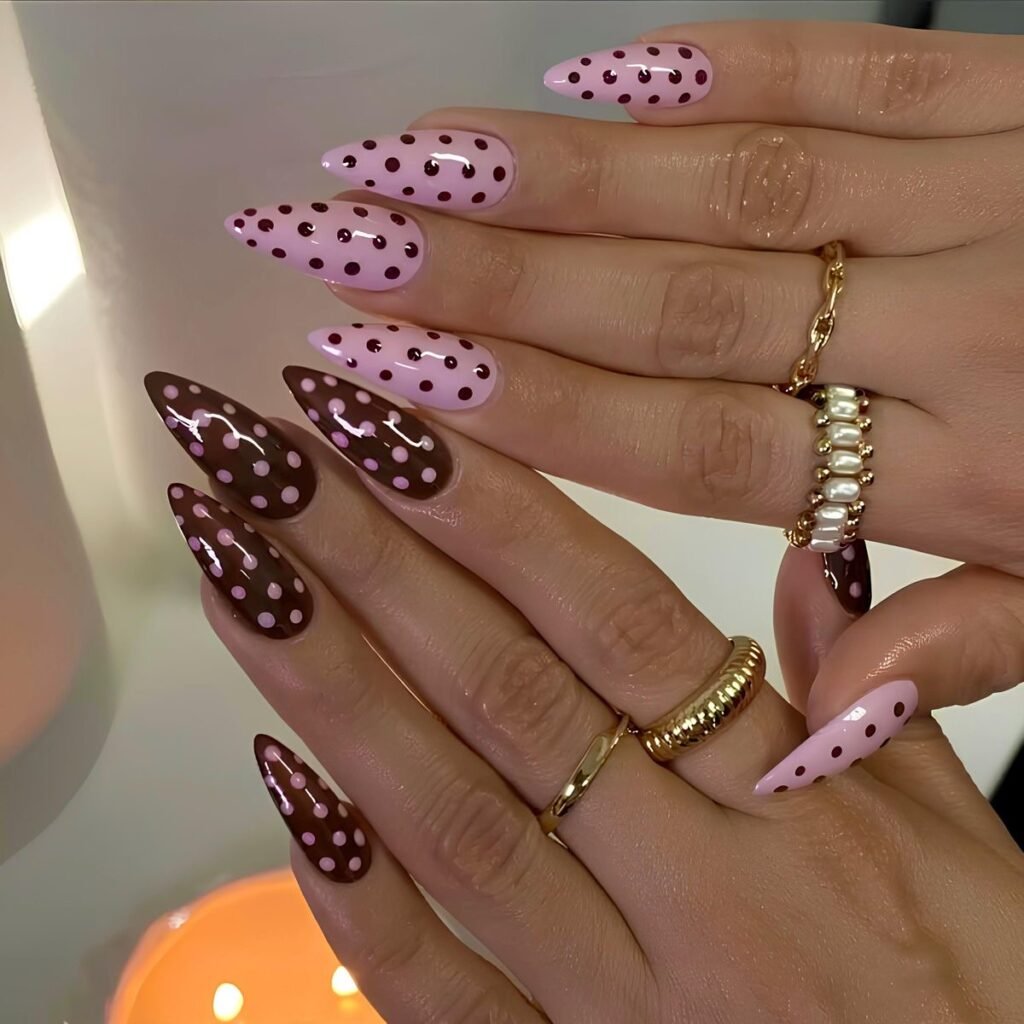
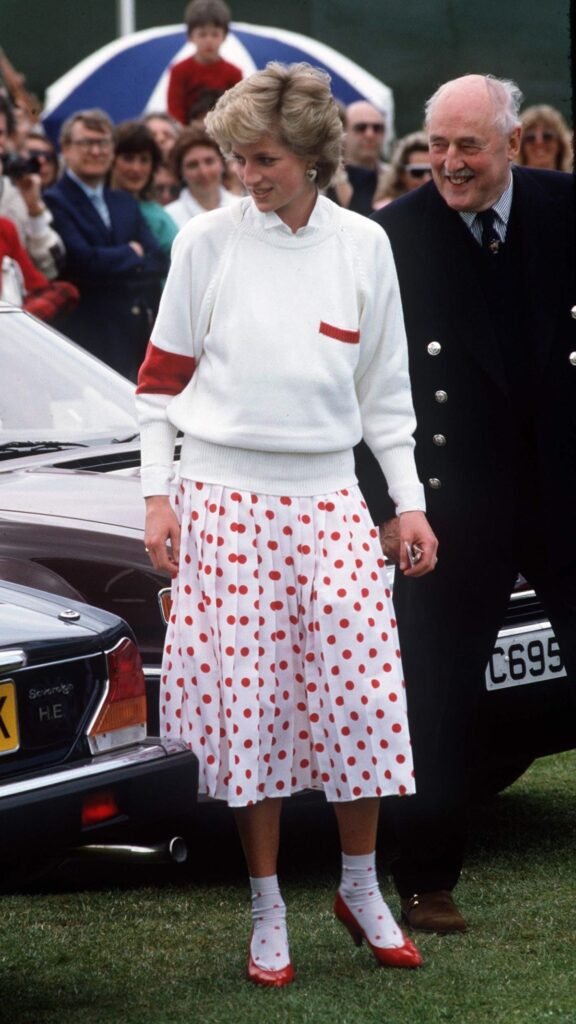
Polka dots also became part of the visual language of popular culture. Marilyn Monroe was photographed in spotted swimwear, while Princess Diana wore the print on numerous occasions throughout her public life. Her wardrobe demonstrated its versatility, with polka dots appearing in everything from daytime looks to more formal looks.
On screen, the print continued to carry recognisable associations. Julia Roberts wore a brown-and-white polka-dot dress in Pretty Woman (1990), creating one of the film’s memorable fashion moments.
These references helped give the pattern a visual identity that audiences could recognise across generations. Yet its appeal has never been limited to nostalgia. Designers have repeatedly found ways to change its proportions, placement and presentation, allowing it to adapt to different ideas of what fashion can look like.
Why polka dots are back in the conversation
Polka dots have never completely disappeared from fashion, but their visibility shifts with the trend cycle. Their renewed prominence reflects the continuing interest in patterns that can make an outfit feel distinctive without relying on complicated styling.
The pattern’s simplicity is part of its appeal. A familiar arrangement of dots can be used across a wide range of garments, from flowing dresses and tailored separates to skirts, blouses and accessories. Designers can also change the effect by experimenting with the size of the dots, the spacing between them, the colours used and the fabric on which they appear.
Recent fashion coverage has highlighted the print’s return to warm-weather dressing, with contemporary interpretations moving beyond the familiar black dots on a white background. This flexibility allows the pattern to feel relevant to current tastes while retaining the qualities that have made it recognisable for generations.
There is also something compelling about a pattern that does not require a complete wardrobe change to participate in a trend. Polka dots can be introduced through a single blouse, a skirt or an accessory, making them accessible to people with different personal styles and budgets.
Rather than being confined to a particular decade or aesthetic, the pattern can shift according to how it is worn. The same pattern can feel playful in one outfit, understated in another or striking when used in a more dramatic design.
Making the print your own
One of the reasons polka dots remain relevant is that they offer room for interpretation. Traditional black-and-white combinations continue to work, but colour provides an opportunity to approach the pattern differently. Red, blue, yellow and other brighter shades can change its overall effect, while larger dots create a different visual impact from smaller, closely spaced ones.
Styling also plays a role. A polka-dot dress can stand on its own, while a spotted blouse paired with tailored trousers offers a more understated approach. Those who prefer not to wear the print across an entire garment can incorporate it through bags, shoes or other accessories.
There is no single way to wear polka dots, and that is part of their appeal. Their familiarity makes them easy to recognise, but their adaptability leaves room for personal expression.
A pattern beyond the trend cycle
Fashion will continue to move between new ideas and familiar references, bringing certain patterns and prints back into focus while others take a step into the background. Polka dots have remained part of that conversation because they are easy to reinterpret without losing their identity.
As polka dots return to the spotlight, their appeal lies in more than their seasonal popularity. They are a reminder that some of fashion’s most recognisable elements do not need to be reinvented entirely to feel new.



No Comments