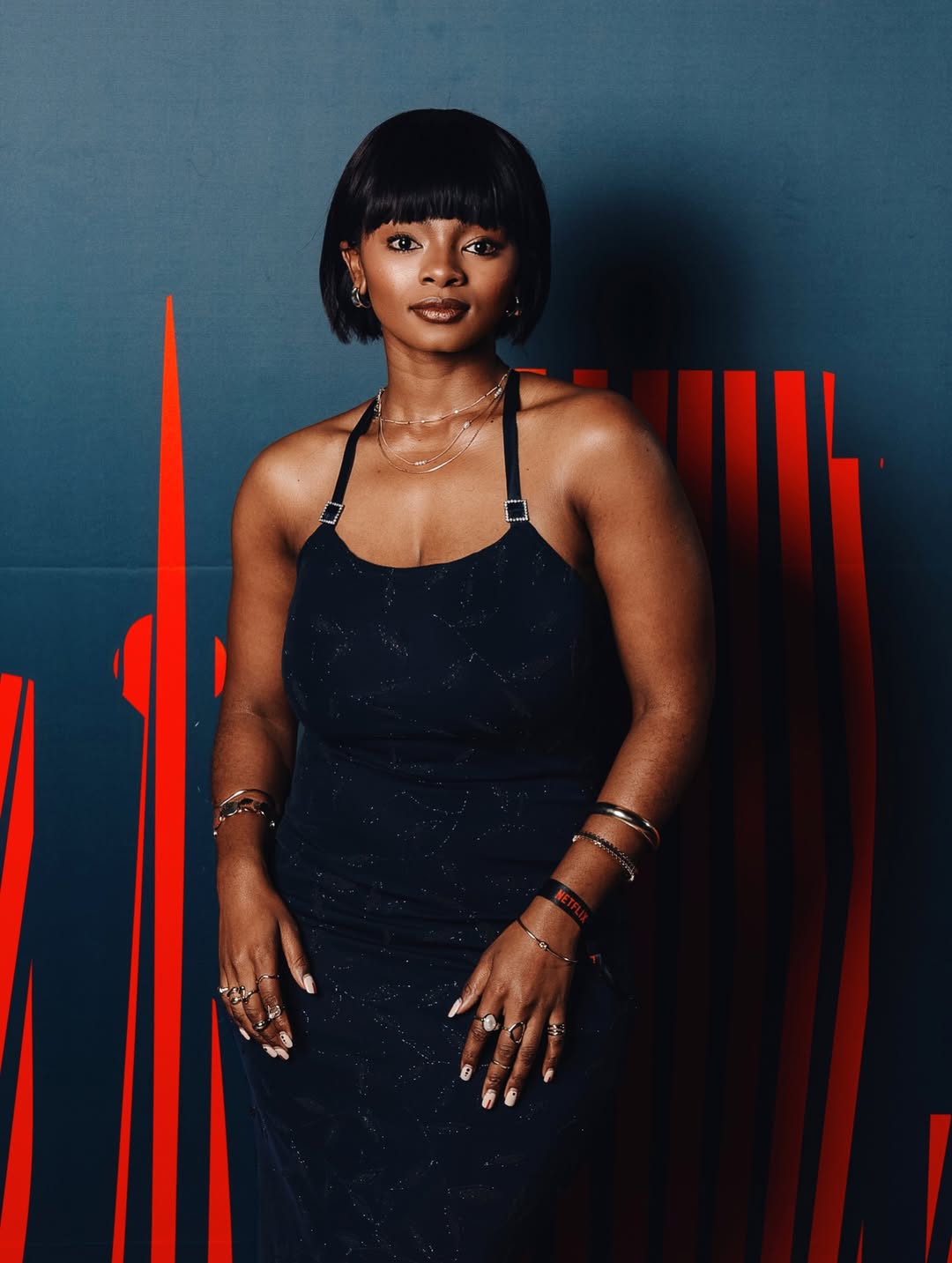
There’s something quietly powerful about the way Sikelelwa Vuyeleni approaches storytelling. Not loud. Not over-explained. Just intentional, grounded, and deeply felt. The kind of voice that doesn’t try to convince you, but invites you in.
With her debut, Indlela Yokubuya: The Way Back, Vuyeleni introduces herself as a filmmaker interested less in spectacle and more in interiority. The film, centred on a young woman navigating an overwhelming sense of noise and disconnection, unfolds as a symbolic journey rather than a traditional narrative. It’s a premise that feels both intimate and expansive, rooted in personal experience yet resonant within a broader South African context.
At its core, Indlela Yokubuya explores what it means to exist in a world that is constantly pulling at you. Expectations, identity, pressure, the weight of becoming. These are not unfamiliar tensions, especially for a generation coming of age in a country where history, culture, and modern ambition intersect in complex ways. Vuyeleni leans into this reality, using space, movement and sound as her primary storytelling tools rather than relying on dialogue to carry meaning.
Before there was a fully formed script, there was simply an image: a woman running. That instinctive starting point says a lot about her process. Her work begins with feeling, with a visual impulse, and then builds outward. It’s an approach that reflects her background as both an actress and filmmaker, where the body itself becomes a vessel for storytelling.
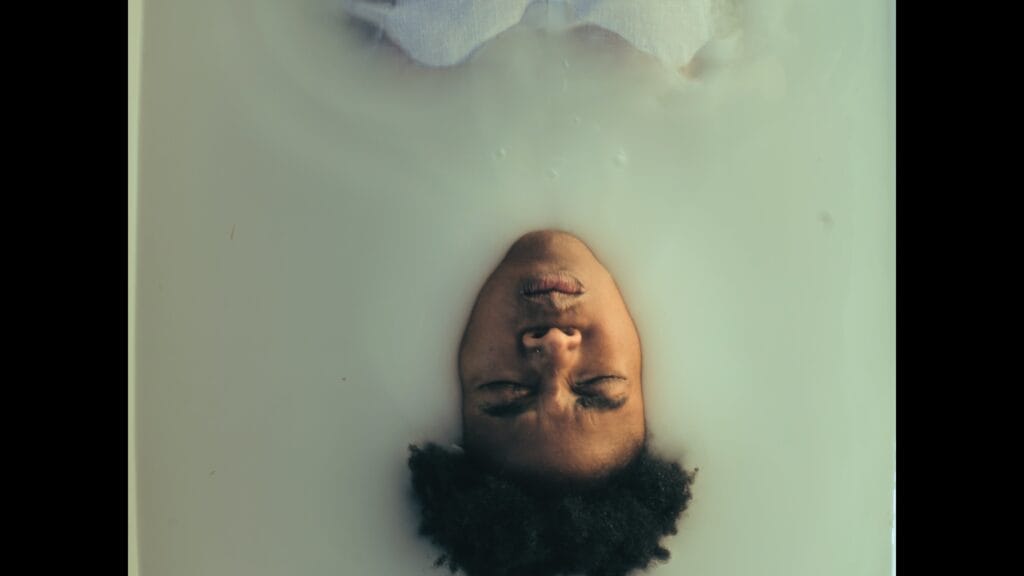
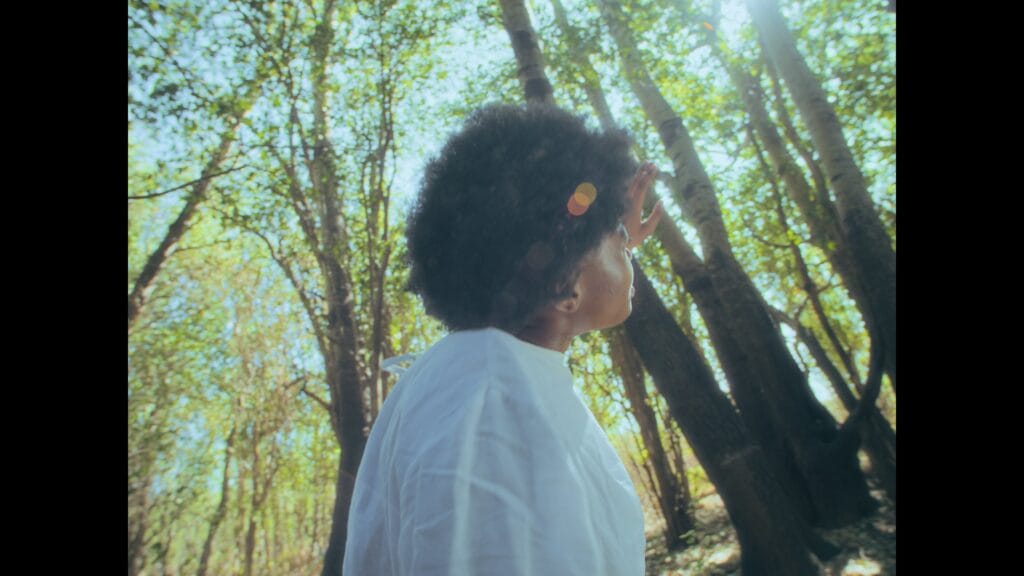
The environments within Indlela Yokubuya are emotional landscapes. The forest suggests a kind of internal overwhelm, a space where clarity is difficult to access, while the openness that follows hints at confrontation, exposure and ultimately, transformation. There is a strong sense of symbolism at play, but it never feels prescriptive. Instead, the film appears to create space for interpretation, allowing audiences to meet it from wherever they are in their own journeys.
What stands out about Vuyeleni’s voice is how it aligns with a broader shift in African storytelling. There is a growing refusal to flatten our experiences into easily digestible narratives. Instead, filmmakers like her are embracing complexity, spirituality and abstraction, trusting that African audiences and global ones are ready to engage with stories that are felt as much as they are understood.
There is also something distinctly rooted in her perspective The exploration of spirituality, of returning to self, of navigating internal and external noise, all echo ways of knowing and being that have long existed within African contexts, even if they haven’t always been centred on screen.
Vuyeleni’s work sits at the intersection of identity, spirituality, and human experience, and Indlela Yokubuya marks the beginning of what feels like a deeply intentional creative journey. It signals a filmmaker who is less interested in providing answers and more interested in asking the right questions. Questions about who we are when the noise fades. Questions about what it means to return to ourselves. Questions about how we move, not just forward, but inward.
In many ways, her emergence speaks to a larger moment. A new generation of African filmmakers who are building their own language, their own rhythm, their own visual and emotional codes. Storytellers who understand that our stories don’t need to be simplified to be seen and that there is power in allowing them to exist in their full, layered truth.Indlela Yokubuya may be a debut, but it doesn’t feel like an introduction in the traditional sense. It feels like the beginning of a conversation. One that is quiet, reflective and deeply necessary.
No Comments