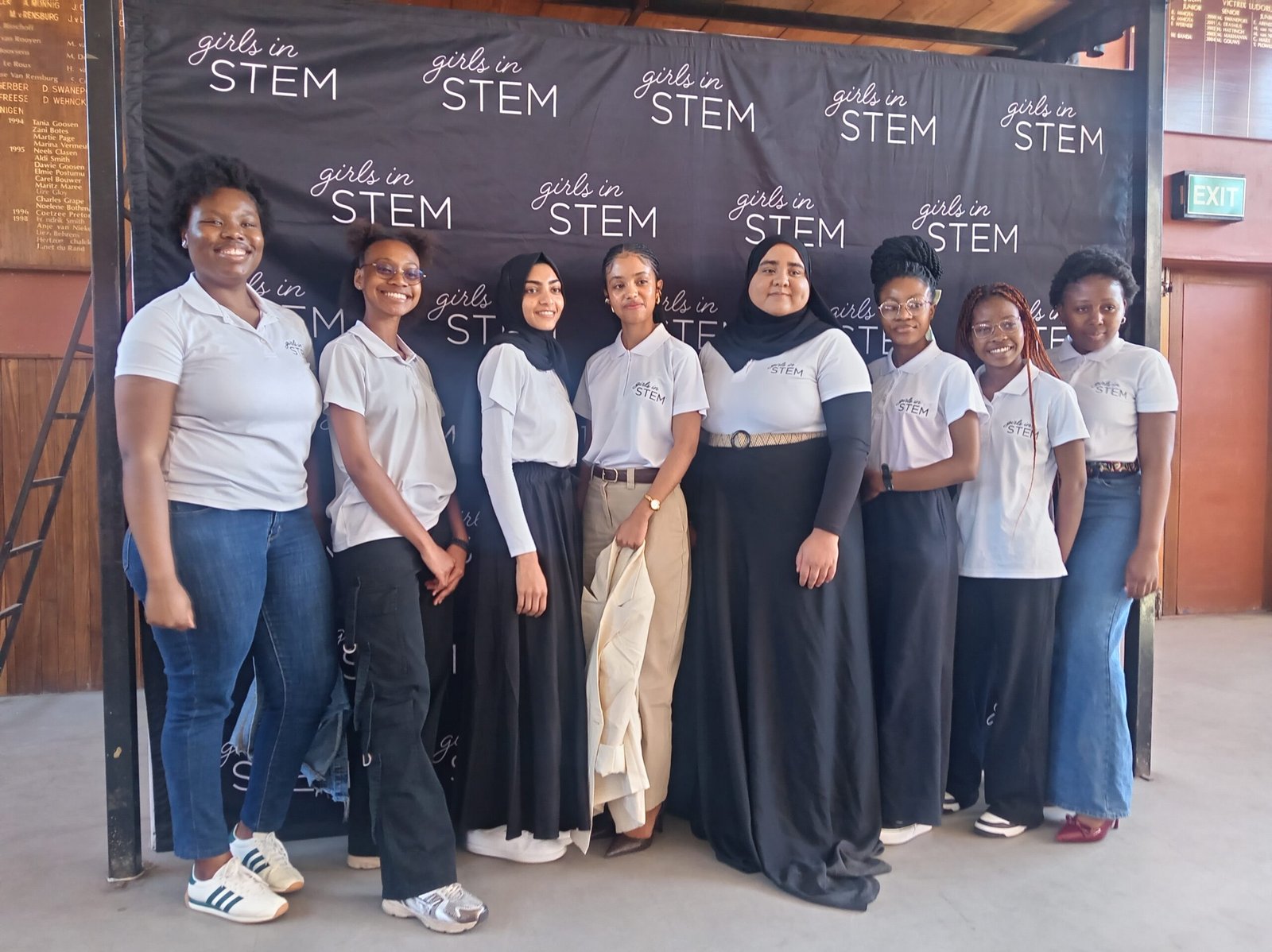
Being a girl in STEM (science, technology, engineering, mathematics) doesn’t necessarily equate to a one dimensional existence that is devoid of artistic prowess.
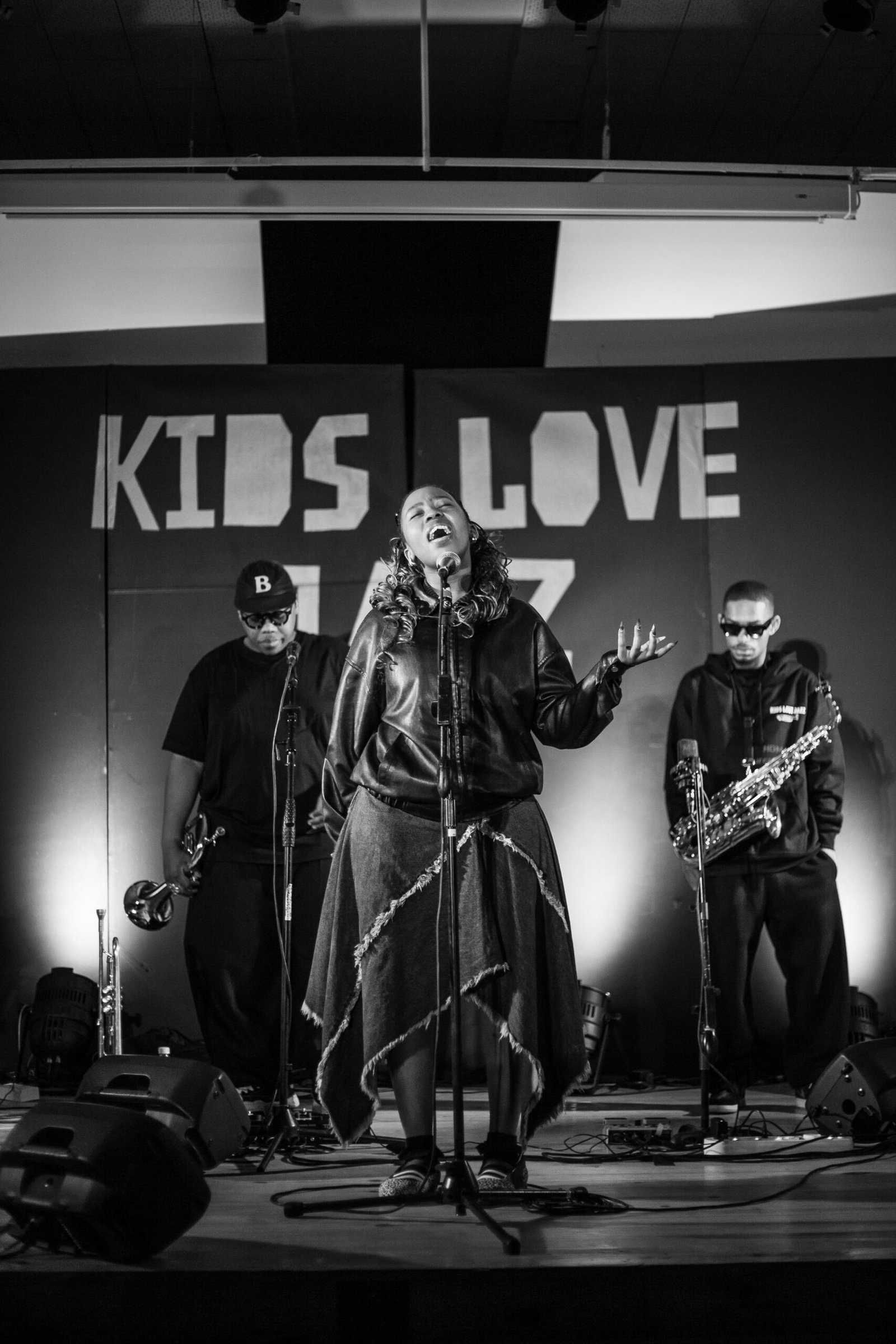
This was demonstrated by teenage Girls in Stem toward the end of Women’s Month who not only proposed adult solutions to pollution, water scarcity, road safety and healthcare, but showcased their creative side through poetry, acting, news reporting and music at an event hosted at Vorentoe High School.
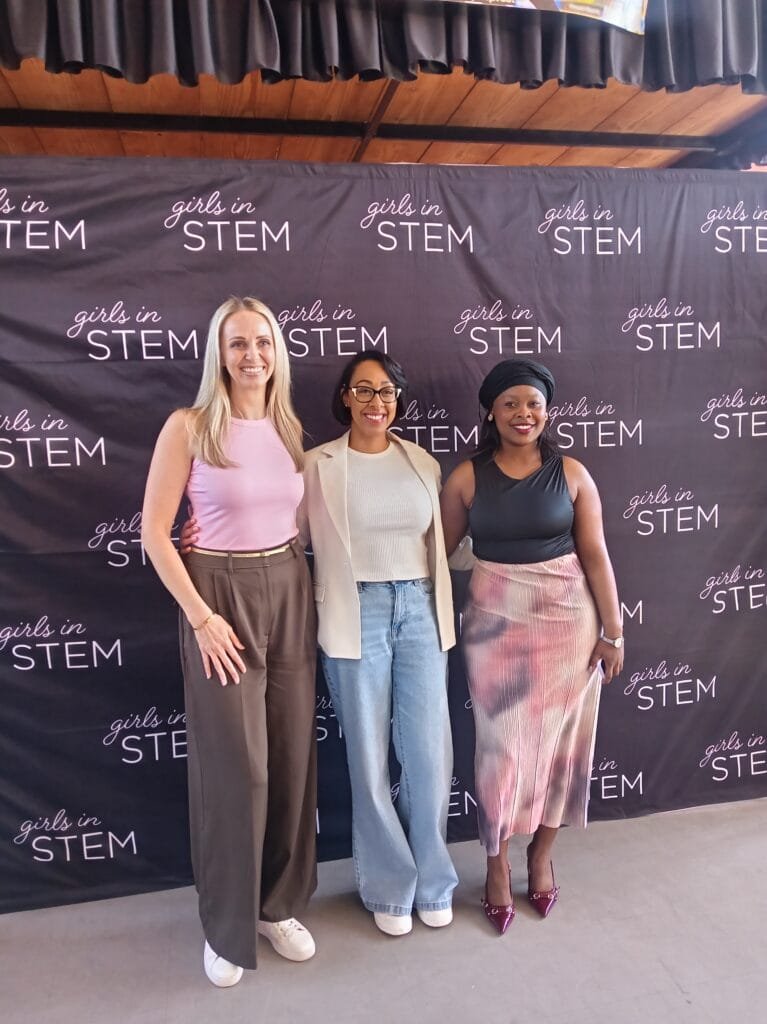
The Melisizwe Girls in STEM programme is an academic empowerment and mentorship initiative that was founded by Candice Kern-Thomas with the objective of uplifting young girls from under-resourced schools and communities. Since its inception in 2021, the programme has grown from 30 girls to nearly 100.
Last month the teenagers spoke with conviction about the constant fear of load shedding, potholes, the depreciation of the public healthcare system and other challenges that South Africans around the country are grappling with. The solutions proposed by these brilliant young minds to curb these issues proved that youth is not oblivious to the state of the “freedom” that South Africans are currently enjoying.
Unpacking water scarcity, the girls described in great detail how there has been so much focus on the affected businesses that schools seem to have taken the backseat. The impact of water being inaccessible is felt by girls during their menstrual cycle, children who fall ill during school hours and sports teams who require this natural resource in order to perform.
They also educated both their peers and adults who were in attendance about how only 10% waste on average gets recycled, with the other 90% ending up in landfills. This results in a plethora of environmental, health and economic hazards for communities.
For this, the girls proposed a smart bin that works on a point system, collects data and rewards citizens for not littering. For the almost two decade long load shedding saga, the girls suggested energy generating bicycles as these are portable, fuel free, do not require sunlight to operate and can benefit schools.
In today’s digital era, the teams working on these potential solutions leaned into artificial intelligence as a useful tool toward implementation. However, the event hosted in August was the introductory phase, and the girls are expected to reveal the prototypes at the end of 2026.
Asked if there was any spoonfeeding of information during the research stages, Kern-Thomas explained that she took a position of allowing her girls the space to investigate what they believe affects them in the communities that they come from.
“Once they presented their ideas, ours was to guide them into projects that we knew would be able to be impactful and realistic, because you’re dealing with kids and they can think about going to the moon if you let them out,” she expanded.
With the right mentorship, the girls had a clear sense of direction and were empowered to analyze their own needs as teenagers in 2026 SA, as well as those of their greater communities.
Her vision with Girls in STEM has always been to create a pipeline of women that are socially conscious, not only intellectually astute, but generally holistically developed and able to identify issues and create solutions by putting what they’ve learnt into practice.
For the founder, such spaces are important and more of them should be created because when girl children are invited to be part of the solution at a young age, they become confident enough to formulate mind blowing ideas.
“When you create the space and you allow them exposure, support, and opportunity, then you can see how they honestly flourish,” Kern-Thomas added.
She wants to dismantle the stereotype about township girls not being as smart as those in private schools because essentially it is not the lack of intelligence but the unavailability of resources and lack of equal access to opportunities that usually holds these kids back.
The fruits of these girls’ labour are easy to see as, one of the girls who was interviewed last year, confirmed that she is now an actuarial science student, a dream she had spoken about in the previous interview.


No Comments