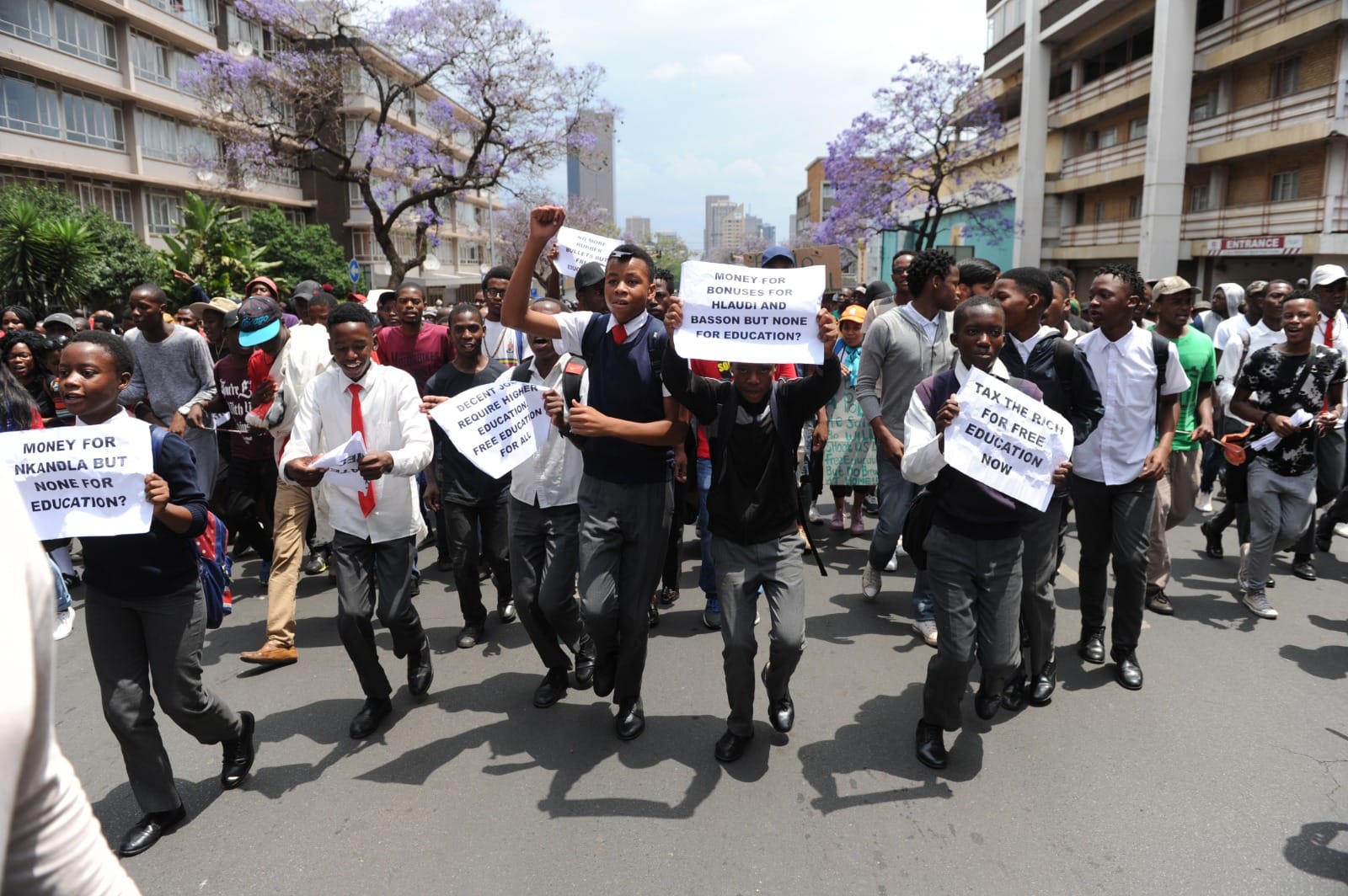
As the country commemorated the 50th anniversary of the 1976 student uprisings in June, the Independent Electoral Commission (IEC) revealed disheartening statistics about the decline in youth participation in the election. Various media platforms reported that 70% of eligible 18- and 19-year-olds across the country had not heeded the call to register to vote.
Unpacking what the absence of tomorrow’s leaders from the voters’ register means, political analyst and Tshwane University of Technology (TUT) lecturer Levy Ndou highlighted that this was not a uniquely South African challenge but a worldwide issue, as the same trend has been observed globally. Between the ages of 18 and 19, youth are encouraged to focus on their education and to work towards building their careers.
“By the time they start participating in politics, they are a bit older. People are no longer being trained to get involved while they are still young. Things like the ANC Youth League and other such structures do exist, but even these are sometimes led by older people,” he said.
For many years, young people in SA had been the epicentre of the struggle for liberation—a phenomenon that culminated in widespread enthusiasm among eligible youth who took to the polls in South Africa’s first democratic election in 1994. This was driven by movements such as the Congress of South African Students (COSAS), which was formed in 1979 and took a more militant approach. COSAS would be banned by the apartheid government just six years later.
In 1991, the South African Students Congress (SASCO) emerged as a non-racial voice for university and college students who dedicated themselves to fighting for transformation. While these bodies continue to exist, the current political landscape is such that their prevalence in the media has diminished. The causes they fight for have also shifted to include school safety, gender-based violence, infrastructure, and the #FeesMustFall movement, among others.
Ndou recalls youth being at the forefront in 1994, and their participation being at a much higher level. He says it was the first time they got to enjoy the right to vote, which they had been deprived of for many years. “It was something that young people had fought for, so the desire and the energy were quite high,” Ndou remembered.
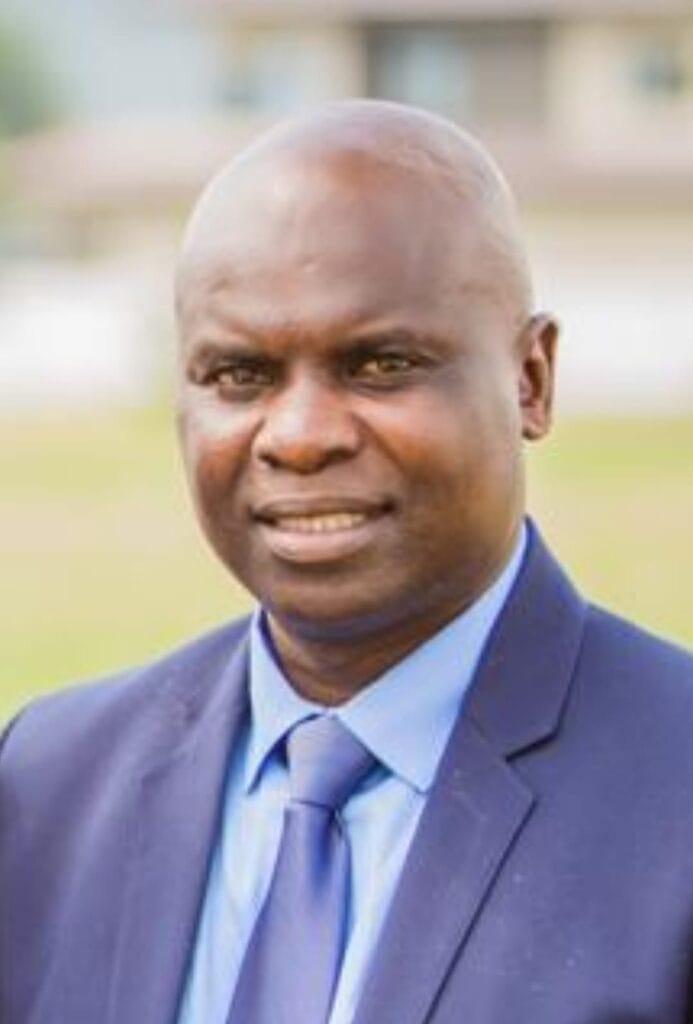
Ndou believes that the low registration numbers among 18- and 19-year-olds in 2026 may be related to the lack of conversation about youth-related matters from political parties. These matters seem to fall through the cracks, only making it into mainstream conversations in June, as this is Youth Month in SA. Ndou said the lack of excitement about having the right to vote therefore stems from feelings of isolation among youth.
“Some political parties do try to engage young people, but most of the leaders are older people from a completely different generation. Some parties present themselves as being for the youth, but the reality is that young people are not sufficiently represented in political leadership.”
According to the Stats SA Quarterly Labour Force Survey (QLFS), youth unemployment currently sits at 45.8%. Ndou’s observation is that this doesn’t just strip youth of dignity, but also of a sense of belonging in their own country.
“There are a lot of programmes that try to involve them in overall democracy, but as long as they don’t feel included in the job market and the decision-making processes, young people will not feel motivated to participate in anything that has to do with politics in this country.”



No Comments