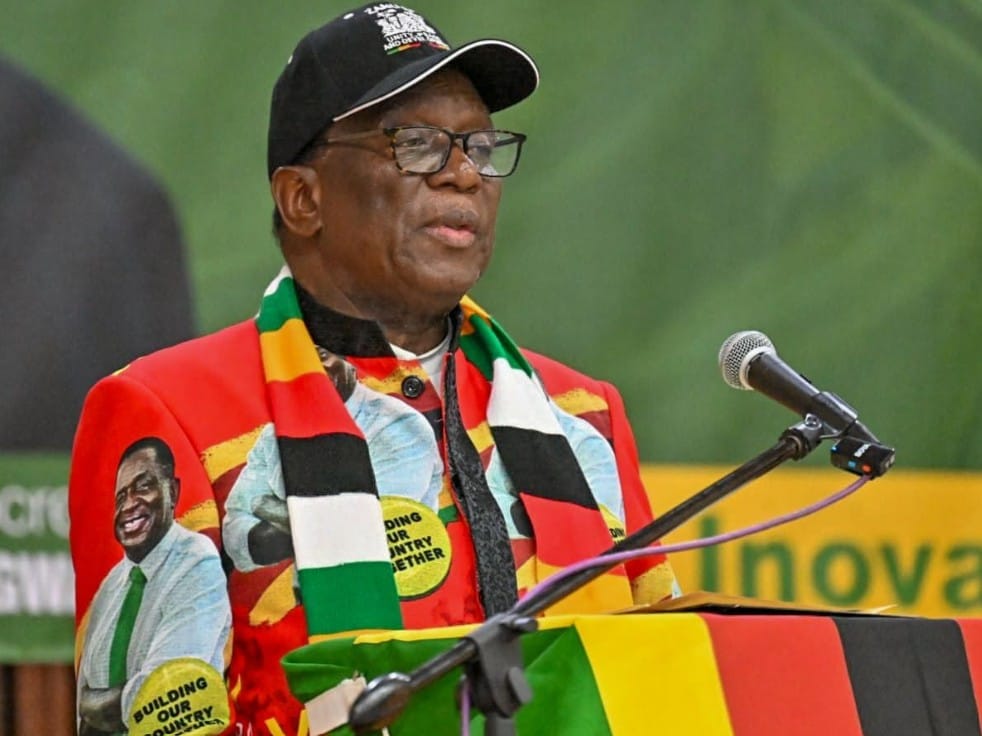
A few days ago Zimbabwean president Emmerson Mnangagwa officially signed an amendment to that country’s constitution, legitimising the extension of his presidential and parliamentary terms from five to seven years. Mnangagwa’s term was set to end in 2028, however with the newly signed amendment the president is now expected to remain in top office until 2030.
Dubbed the Constitutional Amendment Bill No 3, the bill has been dominating news headlines for some time now. In January, Al Jazeera reported that it had been approved by parliament. The article unpacks how in addition to an extended term, presidential elections would no longer be open to a public vote but would be the sole responsibility of members of parliament.
Controversy has been in the DNA of Zimbabwean politics since the dawn of that country’s democracy. The first democratic president, Canaan Banana was removed three years into his second term by his successor and Zanu PF leader, Robert Mugabe who was the then prime minister. The latter initiated constitutional amendments that abolished the role of prime minister, catapulting himself into the presidency by systematically strengthening his own authority.
Zimbabwe’s 2008 elections were also marred with controversy as allegations of a terrorism campaign by the military dubbed Operation Makavhoterapapi [where did you put your vote] — sparked by Mugabe losing to Movement for Democratic Change (MDC) leader Morgan Tsvangirai at the polls — resulted in hundreds of thousands of deaths.
The MDC was established in the late 1990s to early 2000s, introducing the first real opposition in decades. Tsvangirai himself reportedly experienced violence and torture. In 2007 he was arrested and allegedly assaulted by the police, resulting in a fractured skull and other injuries.
In 2013 when his term was due to end, Mugabe signed into law, the Constitutional Amendment No. 2 which essentially allowed him to run for two more terms. Political activist and chairperson of the Zimbabwe Community in South Africa, Ngqabutho Mabhena described all these events as a military-backed coup — a sentiment seemingly shared by the international community as the 2008 election was rejected by both SADC countries and the African Union, with western countries escalating sanctions.
“Constitutionally, Mugabe could contest elections because technically, there were no term limits until 2013. When he came into power in 1980 he committed a genocide and the recorded numbers of casualties is misleading. The actual number is much higher,” he said.
While there hasn’t been as high of a surge of violence and the scale of mass casualties has been lower during Mnangagwa’s tenure, it remains important to draw parallels between how both presidents navigated the constitution.
Mabhena rubbished the new bill as a constitutional coup, saying the Zimbabwean constitution demands that consultations be held and a referendum conducted for civil society to decide whether or not they want term limits to be amended.
“None of this was done. After the Zanu PF’s 2025 conference where this bill was adopted the justice minister took it to parliament. Instead of public consultation, this was a Zanu PF consultation dressed in parliamentary garments,” said Mabhena.
He explained that opposition and the public were excluded from engagement, people were arrested and requests for meetings were rejected, asserting strongly that the process was not democratic.
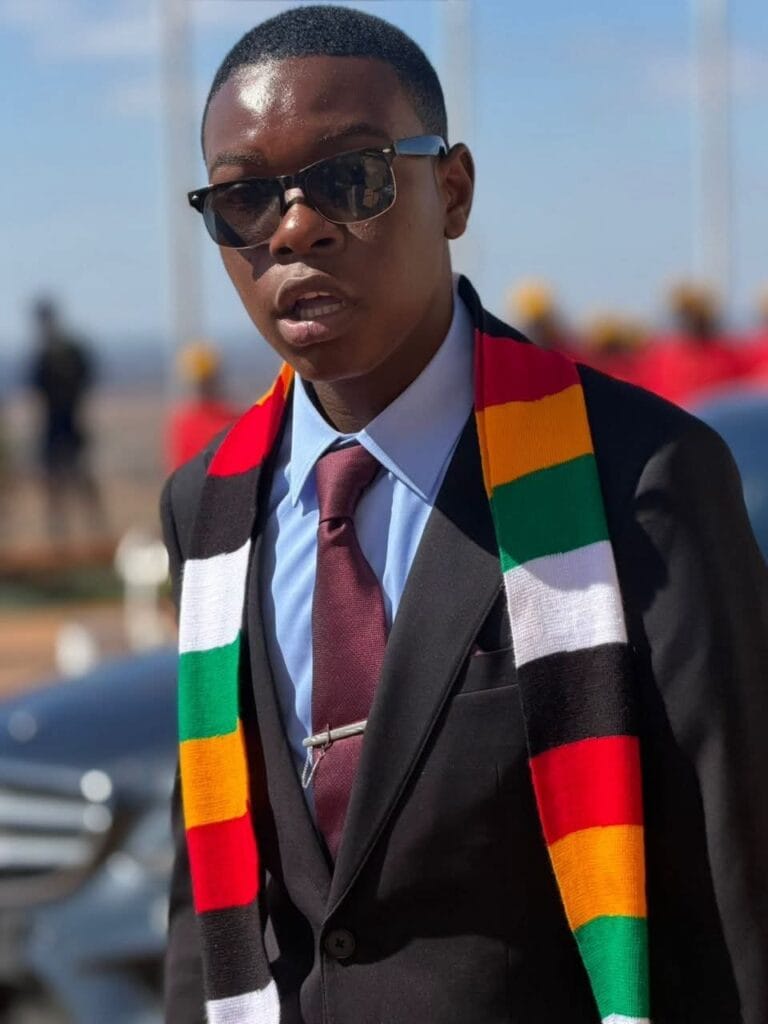
In a video that went viral on social media, Zimbabwe’s Junior Parliament leader Tinashe Mugodhi thanked the president on behalf of that country’s youth. “This reflects a commitment to shaping Zimbabwe’s future through progressive governance and sustainable development. The country cannot reach new heights with outdated mindsets and approaches,” Mugodhi says in the video.
Mabhena rejected this sentiment, saying the country’s infrastructure had decayed and Zanu PF had failed to create jobs so that the youth would not be forced to leave their country. He challenged Mugodhi to share job creation statistics, saying the country’s development has never been part of Mnangagwa’s agenda.



No Comments