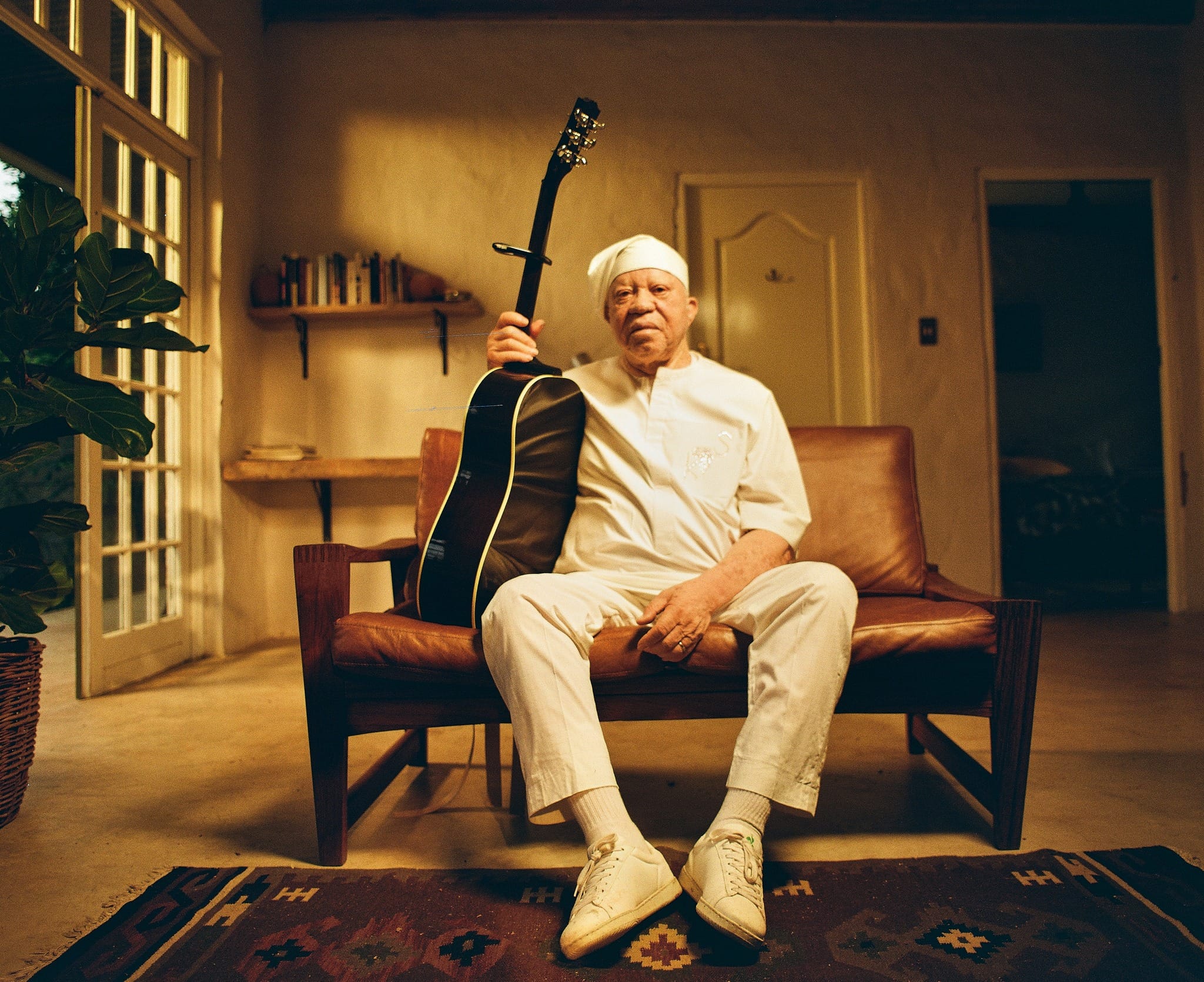
Salif Keita to Perform in South Africa
When Salif Keita sings, you know it immediately. His voice is soulful, and unmistakable. It’s shaped by spirituality and cultural inheritance, his songs have always felt like testimony.
For audiences preparing to see the Malian legend at the Montreux Jazz Festival Franschhoek, this performance carries weight. The celebrated Swiss festival touches African soil for the first time, bringing its decades-long tradition of global musical excellence to the Cape Winelands. Keita’s presence feels inevitable because he is, in many ways, a living archive of African sound.
“When I’m on stage, I feel the love and the unity,” he says. “We become one.”
Over four decades, he has helped reshape the world’s understanding of African music through landmark albums including Soro, Amen and Moffou, weaving traditional musical heritage into conversation with contemporary sounds and reaching listeners far beyond the continent.
Music as Memory
In many African musical traditions, songs are living archives, vessels for community, identity and history, passed carefully between generations. Keita’s career has embodied this tradition from the beginning. Emerging from Mali’s rich storytelling lineage, he translated the depth of West African musical heritage for global audiences while keeping his roots firmly intact. His music became part of the soundtrack of African modernity, influencing artists across the continent and far beyond it.
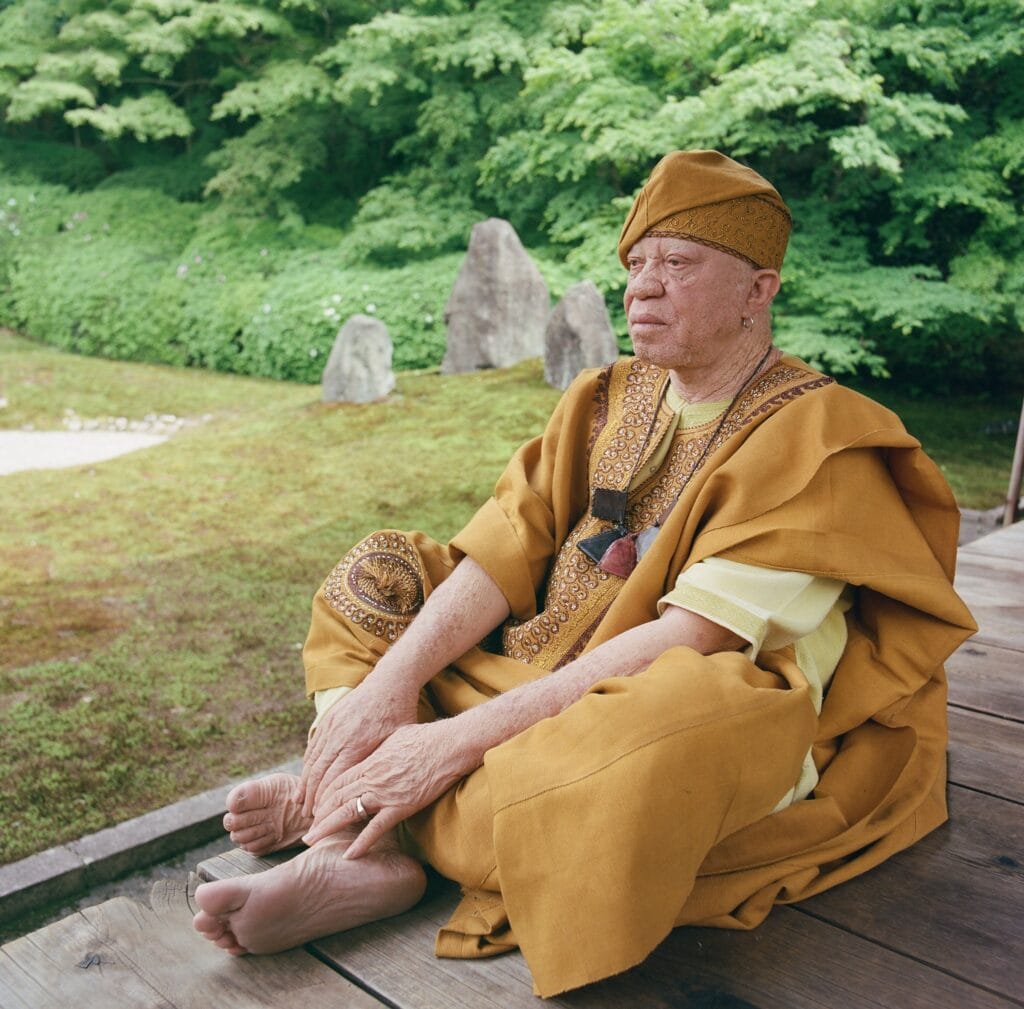
“We carry a legacy, we carry memory,” he says. “Our messages are universal because we talk with the heart.”
To younger artists navigating a fast-moving, trend-driven industry, he offers counsel drawn from hard-won experience: “Good lasting things take time. Don’t rush or follow the crowd if you want to stand out. Find your true self.”
The Spiritual Roots of Sound
Spirituality sits at the heart of Keita’s creative life. His music is guided by a sense of ancestral presence, a dialogue between generations conducted through sound.
“The ancestors’ spirits are everywhere and always with us,” he says.
His voice, powerful and deeply expressive, has long served as a bridge between past and present, reminding listeners that African creativity draws its strength from continuity as much as from innovation.
Festivals as Cultural Bridges
Great festivals create spaces where music crosses borders and cultures meet through shared experience. For Keita, what makes them truly memorable is the alchemy between artistry and audience.
“For me it’s the combination of the dedication of the festival to present the real music,” he says, “and the audience who become part of the concert.” He is equally generous in acknowledging the craft that surrounds the stage. “The beautiful stage, the excellent sound, the technicians and staff all contribute to making festivals unforgettable.”
In Franschhoek, framed by mountain landscapes and the quiet beauty of the Winelands, that cultural exchange takes on a particularly vivid atmosphere.
The Future Is Still Unfolding
Despite a career that has spanned generations, Keita shows no signs of standing still. This April he plans to release a new Afrohouse remix of Bah Poulo, created alongside young Angolan producers Gleison Prodmafia and Wilson Kentura of DJ collective BROKA, a collaboration that places his timeless voice within the evolving energy of African electronic music.
Later this year, he returns to the studio with his band to begin work on a new album, scheduled for release in spring 2027.
“Life is short,” he says. “We can choose to cry or laugh in life’s situations. My mantra is never giving up.”
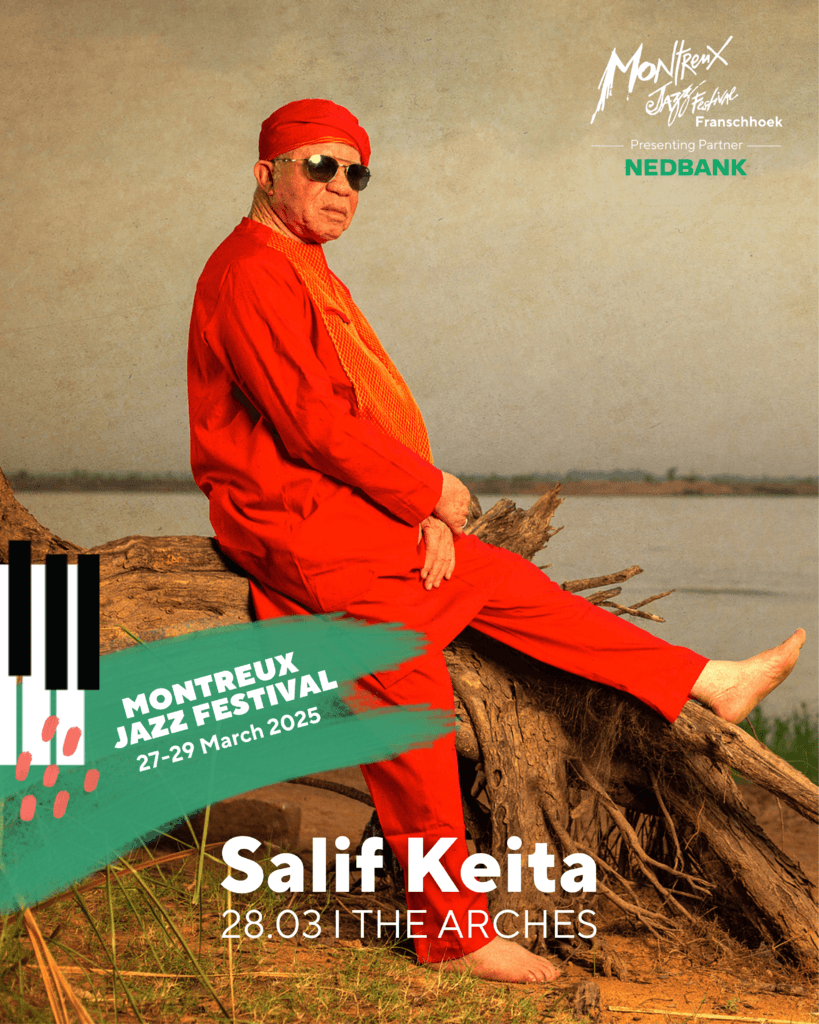
As Salif Keita prepares to take the stage in South Africa at the Montreux Jazz Festival Franschhoek, audiences are in for a rare opportunity to witness one of Africa’s most enduring voices perform live. For those lucky enough to be there, it will be a moment of connection across cultures, generations and continents.
The Montreux Jazz Festival Franschhoek runs 27–29 March 2026.



No Comments