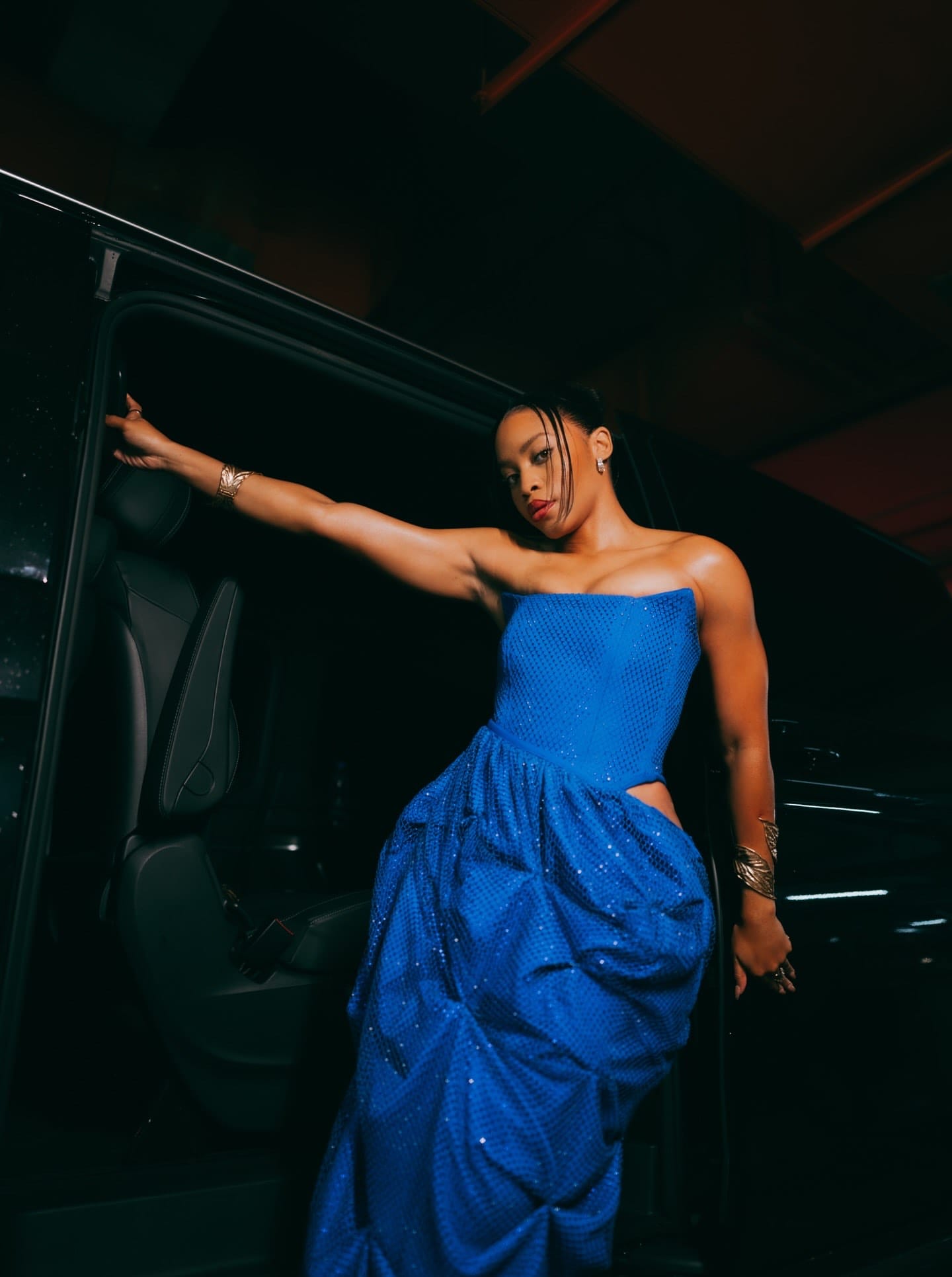
Born and raised in Johannesburg, Siphesihle Ndaba comes from a family that has always been steeped in creativity. She grew up playing in an orchestra and a jazz band from the age of seven. For a long time, she assumed music would be her path, specifically composing for film and television. But life, as it tends to do, had other ideas.
She had initially applied and got accepted into the music programme at Stellenbosch University, but decided to change course and go in a different direction upon realising that she would like to explore other options. The next option was Rhodes University in Makhanda (formerly known as Grahamstown), a town she describes as deeply creative, the kind of place that felt right to her even before she arrived. At Rhodes, she threw herself into everything, completing an undergraduate degree in economics, psychology and drama before doing her honours in drama, specialising in acting, applied theatre and physical theatre.
From Rhodes, she moved into the industry, starting in theatre before making the transition to television. The role that most people will know her from is Mazet on Mzansi Magic’s Gomora, the telenovela that brought her to a national audience when it launched in 2020. It was a significant moment, but it also marked the beginning of a quieter, more personal reckoning.
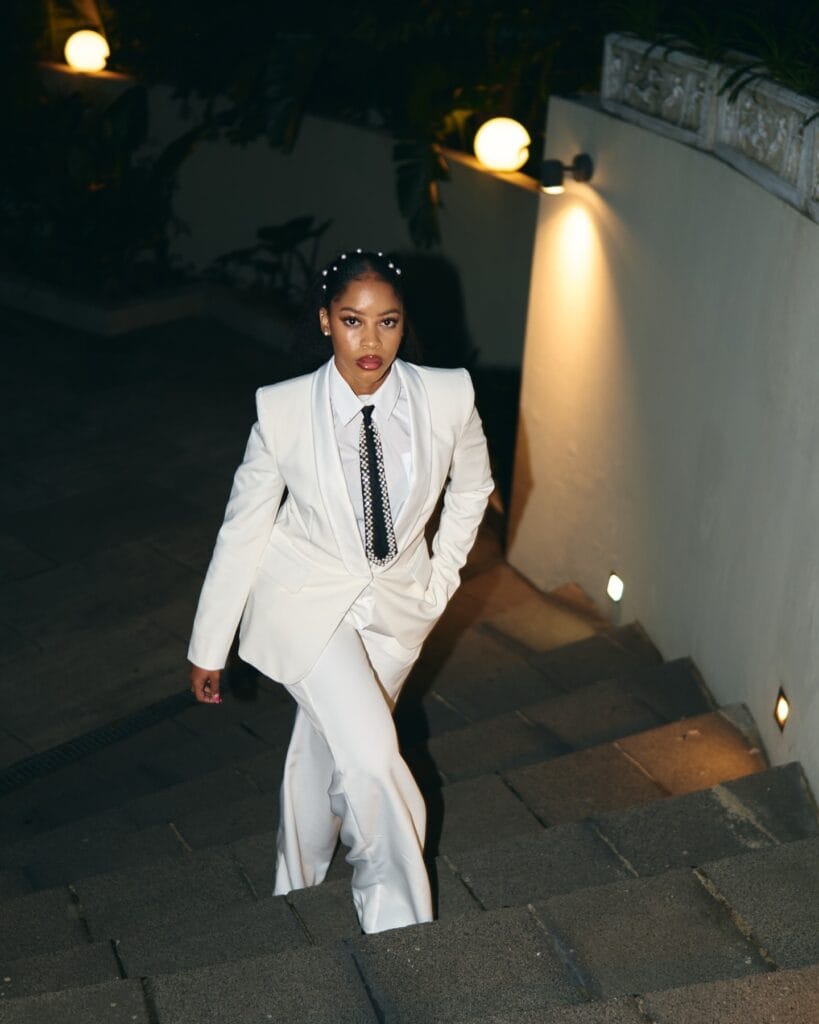
“After Gomora, I just felt like I wanted to have more of a creative voice,” she says. That feeling led her to start exploring what lies behind the camera, a pivot that is now bearing real fruit in the form of Lil_ith, a short film in which she stars and makes her debut as a co-producer.
The project came about through a connection she made on a commercial shoot with director Robin. Their energies clicked instantly. About a year later, he sent her the script. She read it and did not hesitate. “This is not even a question,” she remembers thinking. “She is so cool. This character, Lilith, is so cool.”
Lilith, the character, is a cam girl living in post-apartheid Joburg, navigating questions of identity, sexuality and self-expression. She is flawed, unapologetic and deeply human. The film does not offer easy answers. Instead, it uses Lilith as what Ndaba calls a case study, a way into larger conversations about bodies, gender, freedom and what it means to be a young black woman in contemporary South Africa.
“She is not a saint,” Ndaba says plainly. “She is not the innocent girl who every woman should be like. Absolutely not. She has flaws. But the film is meant to be a conversation starter.”
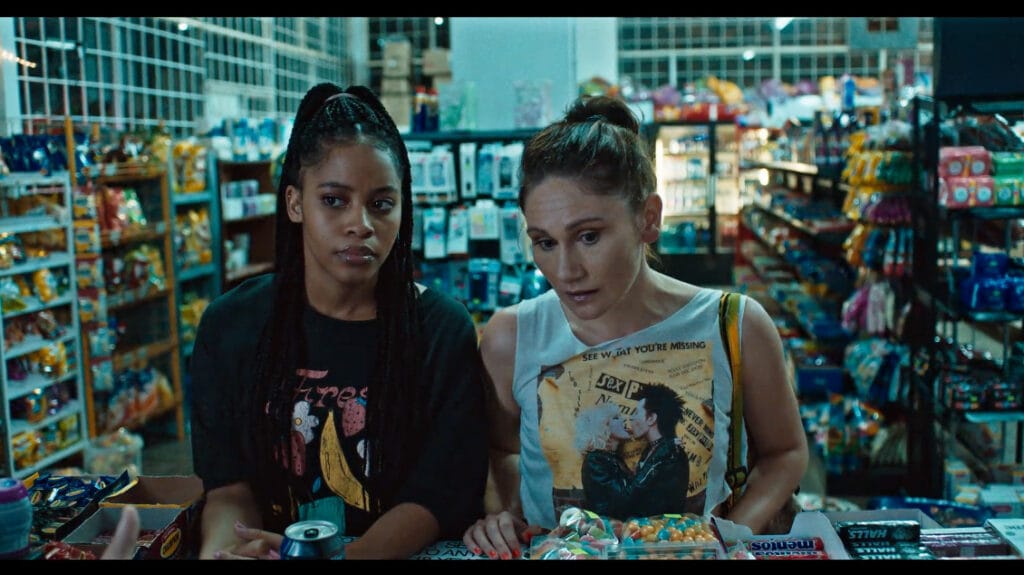
Connecting to Lilith required Ndaba to do some serious internal work. During the Covid-19 pandemic, she had gained weight, and it was only when she caught a glimpse of herself on her grandmother’s television screen that she became aware of how her body had changed. “I did a double-take,” she recalls. “And I could see myself look big.” It was not something that devastated her, but it made her conscious of her body in a way she had not been before.
What followed was a sustained effort to get to a place of comfort. She took up boxing and weightlifting, lost seventeen kilograms, and gradually found her way back to a sense of ease in her own skin. When filming began on Lil_ith, that timing aligned almost perfectly. The very first scene of the film is Lilith alone in her bedroom, dancing as if no one is watching. For Ndaba, that freedom was not just a character choice. It was something she had genuinely worked her way towards.
Stepping into the role of producer on the same project she was acting in added another layer of complexity because she played two different roles for the making of the film: Siphesihle the actor and Siphesihle the producer. What surprised her was how different the two roles felt. “The actor is the creative. She has got all these ideas and dreams,” she explains. “But the producer has to snip the wings a little bit. OK, we don’t have the budget for that, but we can do this instead.” It was, she says, a duality that was both challenging and genuinely exciting.
The film has already screened at international Oscar-qualifying and BAFTA-qualifying film festivals, which was a wonderful and significant moment for Siphesihle. Still, she is most excited about the film making its way back home as it is set to debut at the Joburg Film Festival, which will take place from the 3rd of March to the 8th of March 2026.
“The nod doesn’t feel the same when it doesn’t come from your own,” she says. She wants black South African women to see themselves in this film. Not as a simple representation exercise, but as part of a broader, more nuanced conversation about what it means to be comfortable in your body, about the difference between expressing yourself and being explicit, about what pre-colonial and post-colonial history has done to the way black women relate to their own physicality.
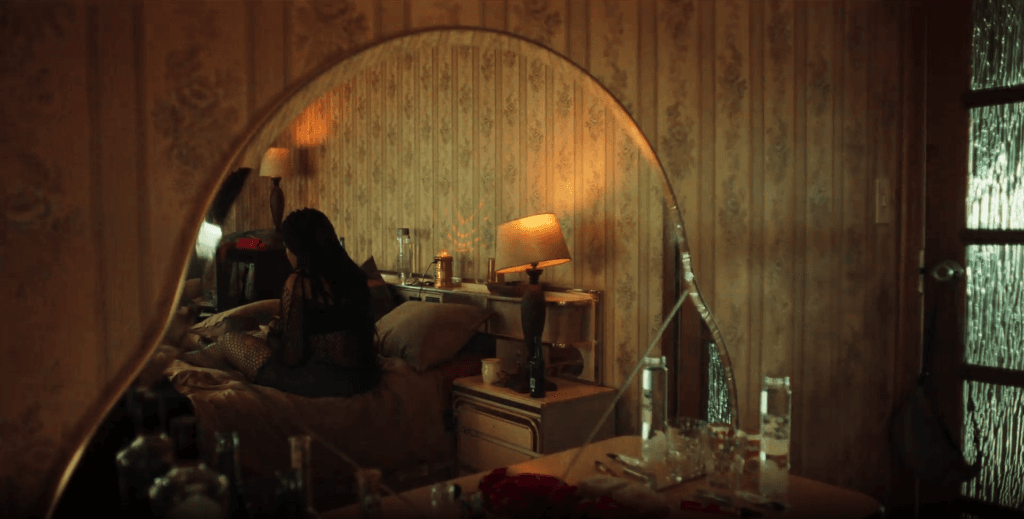
“We want to see people be expressive and comfortable in their own skin, free of self-judgement. We want people to take care of their bodies, but not feel like they have to hide them.”
Looking ahead, Ndaba is clear about the direction she wants to move in. She teases a couple of projects that are in the works, without giving too much away. More broadly, she wants to spearhead projects where women are not just at the front of the screen but at every level of production. “More female cinematographers, more female writers, more female stunt performers”. She feels urgently that there are stories waiting to be told that simply haven’t yet been given the space.
“Building something from nothing to something is something that excites me and brings me a lot of joy,” she says. Acting is still a love she is not ready to let go of. But the creative power that comes from producing, from being in the room where the decisions are made, is something she has clearly caught a taste for.


hello world
hello world
hello world
furosemide 20 mg tablet
furosemide 20 mg tablet
furosemide 20 mg tablet