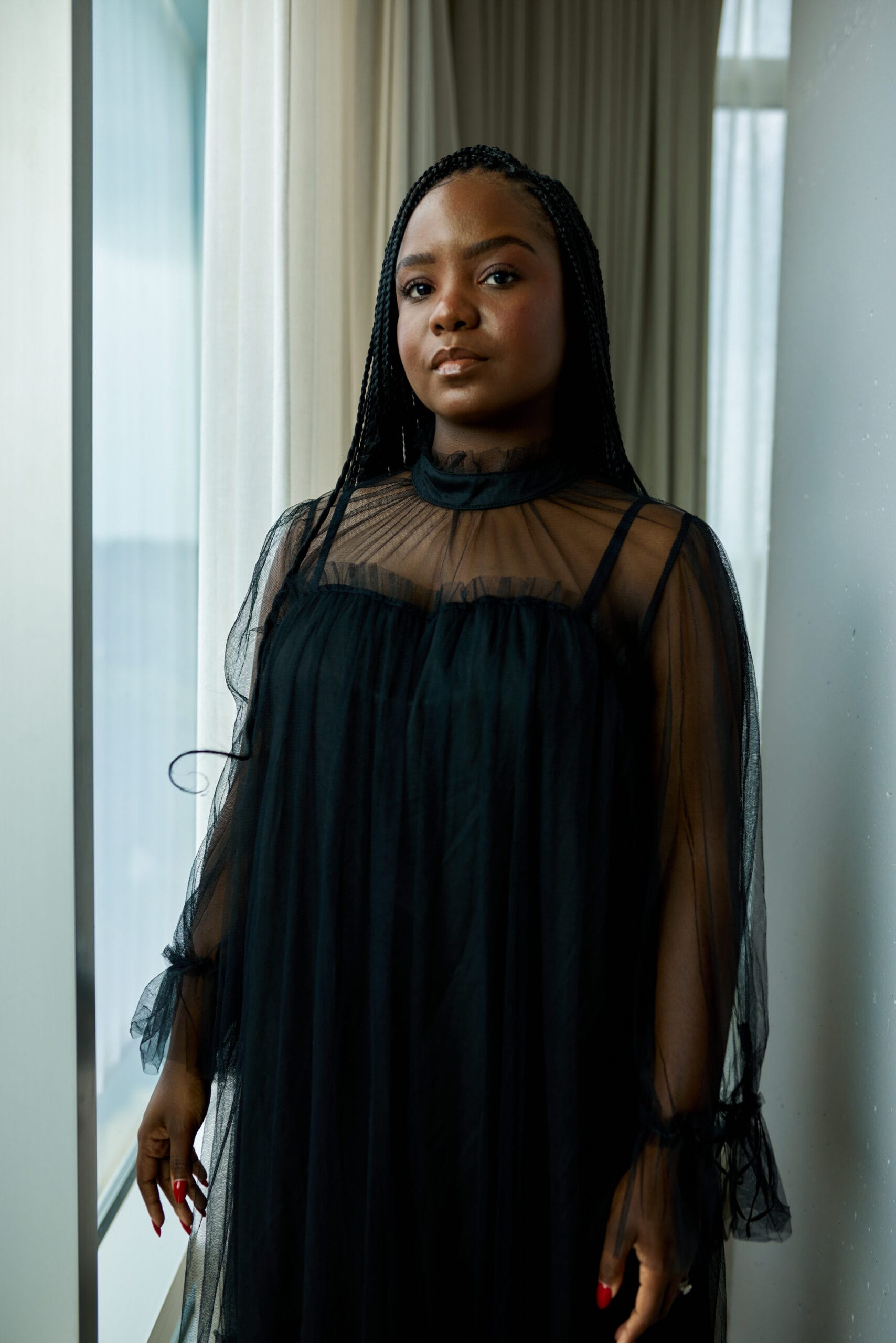
Endometriosis is a chronic condition where tissue similar to the lining of the uterus grows outside of it, causing severe pain, heavy bleeding, fatigue, and in many cases, fertility complications. It affects an estimated 200 million women worldwide, yet on average, it takes seven to ten years to receive a diagnosis. In South Africa, that number can be even higher. For Endometriosis Awareness Month, we sat down with Bontle Moka, founder of the Heal Endo Movement and endometriosis advocate, to talk about her nine-year journey to diagnosis, the real cost of living with a chronic illness, and why she believes the most important thing we can do for women in pain is simply believe them.
Bontle Moka is a Johannesburg-born marketing professional and the author of two anthologies that draw on her experiences of survival, grief, and healing. She has lived in Durban, the UAE, and is currently based in the United States. But it is her advocacy work around endometriosis, fibroids, and PCOS that has become her most defining mission. “It is my lived experience, but it is something I advocate for,” she says. “That is my passion. That is something very close to my heart.”
Bontle got her first period at around 11 or 12 years old, and from the very beginning, it was painful. Like so many young girls, she assumed that was simply how it was. It was at 16, when she was rushed to hospital from boarding school in excruciating pain, that she first began to understand something was seriously wrong. The doctors found nothing. She was given pain management and sent home. What followed were years of scans, repeated doctor visits, and a medical system that consistently failed to give her answers. Instead, she was offered suggestions that ranged from unhelpful to deeply troubling. Before she turned 18, a doctor told her she should consider trying for a baby, on the basis that her condition, still undiagnosed at that point, might make conception difficult by the time she was 21.
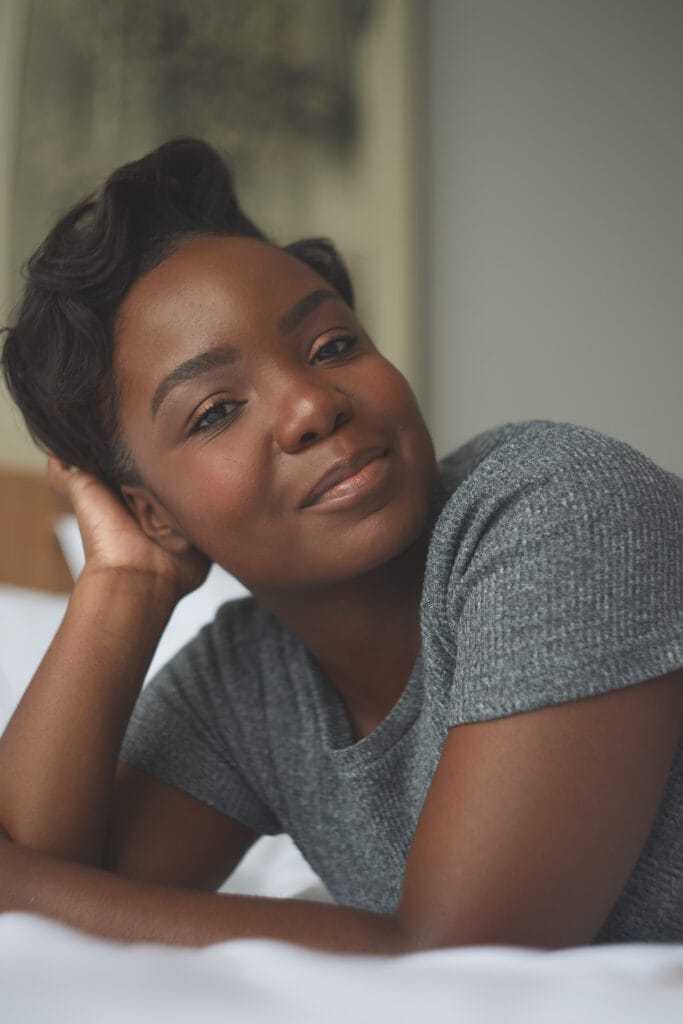
“I’m like, but I’m a teenager. That doesn’t make any sense,” she recalls. “I’m in school. I’m young. I don’t know the root of the problem.” She is careful to note that this was not an isolated experience. “This is something that other women have been told as well, to try to fix the problem, which is part of the problem.”
Eventually, through scans and the consistent presentation of her symptoms, and with the knowledge that her mother had also lived with the condition, doctors identified endometriosis. By the time the diagnosis came, Bontle could barely walk. In the weeks leading up to it, she was limping, hunched over, spending up to 14 hours a day on the couch because the pain made movement impossible. She had lost significant weight. Her flows were extremely heavy. The fatigue and back pain were relentless.
When the diagnosis finally arrived, her reaction was complicated. “It was a relief, but also bittersweet. I had been saying there’s something wrong. This is not normal.” But the relief was quickly shadowed by anxiety. Her mother had undergone more than 18 surgeries for endometriosis. Bontle had watched that journey up close and did not want that for herself. She opted for a homoeopathic route, which worked for about a year, until the fibroids came and surgery became unavoidable.
It was during this period of navigating her own diagnosis that Bontle began looking for community and found very little that reflected her reality. Most resources existed in Australia, the UK, and the US. South Africa was largely absent from the conversation. “I was like, well, maybe I can start being a resource,” she says. But she also recognised that the challenges facing South African women with endometriosis were not always the same as those elsewhere. Access to medical aid, cultural and religious stigma around menstruation, and the reality of women having to choose between bread and painkillers all shaped a very specific landscape that needed its own voice. “I wanted to have a space where I was someone who got it, but I was also looking for a community.”
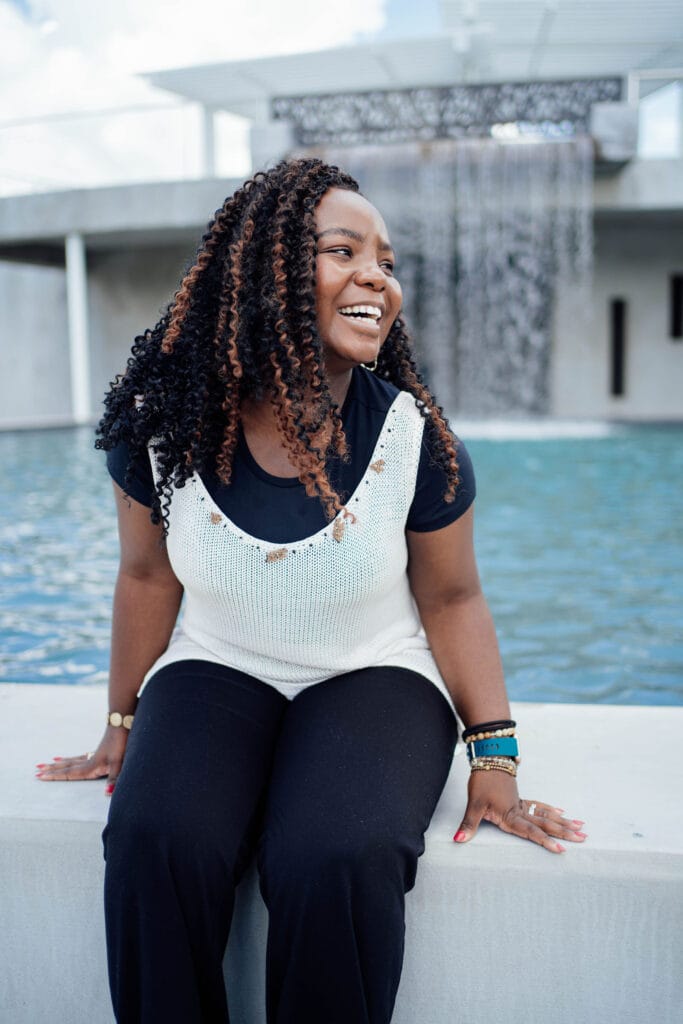
That instinct became the Heal Endo Movement, which Bontle is now formalising as a non-profit organisation. The name carries deep personal meaning. “If you shorten it, it’s HEM. And that was inspired by the hem of his garment.” The reference is biblical, a reaching toward healing and wholeness even where there is no cure. The movement is building toward events and summits, a space Bontle says is almost absent on the African continent when it comes to endometriosis. She has already been connecting with advocates across Kenya, Nigeria, the UK, Australia, and the US.
Alongside community building, Bontle has been pushing for systemic change. Her petition, which has gathered over 17,000 supporters, calls on the South African government to implement menstrual leave as policy and to recognise menstrual health as a human right. The petition covers conditions including endometriosis, fibroids, adenomyosis, and PCOS, and has been incorporated into a broader coalition of menstrual health activists and researchers. It is set to be presented to parliament on 1 April as part of a formal discussion.
One of Bontle’s most consistent frustrations is the way endometriosis is minimised in medical settings, the media, and everyday conversation. The most common dismissal is that it is simply a painful period. “It’s a whole body disease,” she says. “It occurs more beyond the womb.” Endometriosis has been found in the lungs, bladder, appendix, and bowel. Some patients experience gum inflammation during flare-ups. For many, symptoms persist throughout the entire month, not just during menstruation, affecting relationships, mental health, career, and identity. “Some people are walking with a cane every now and then,” she says. “Some days are good, and they don’t have to. It’s referred to as a dynamic disability.”
Her message, for both women and healthcare workers, is the same: stop minimising women’s pain. “We’ve normalised how much we’re meant to go through, how much we’re meant to push through and be resilient and strong. It’s just been so normalised that when we’re seeing a doctor, it can come off as though we’re being dismissed and gaslit.” The consequences of that dismissal show up in delayed diagnoses, in women who have spent years returning to the same doctor and being sent away without answers. “Just to not minimize pain, to believe women, and to just take them seriously.”
For the women reading this who may be managing symptoms they have long been told are normal, Bontle’s work is a reminder that they are not alone, and that the fight to be believed is actively being taken to the highest levels of government.
To follow Bontle’s work or connect with the Heal Endo Movement, find her on Instagram at @healedomvmnt and @endometriosis.za.
No Comments