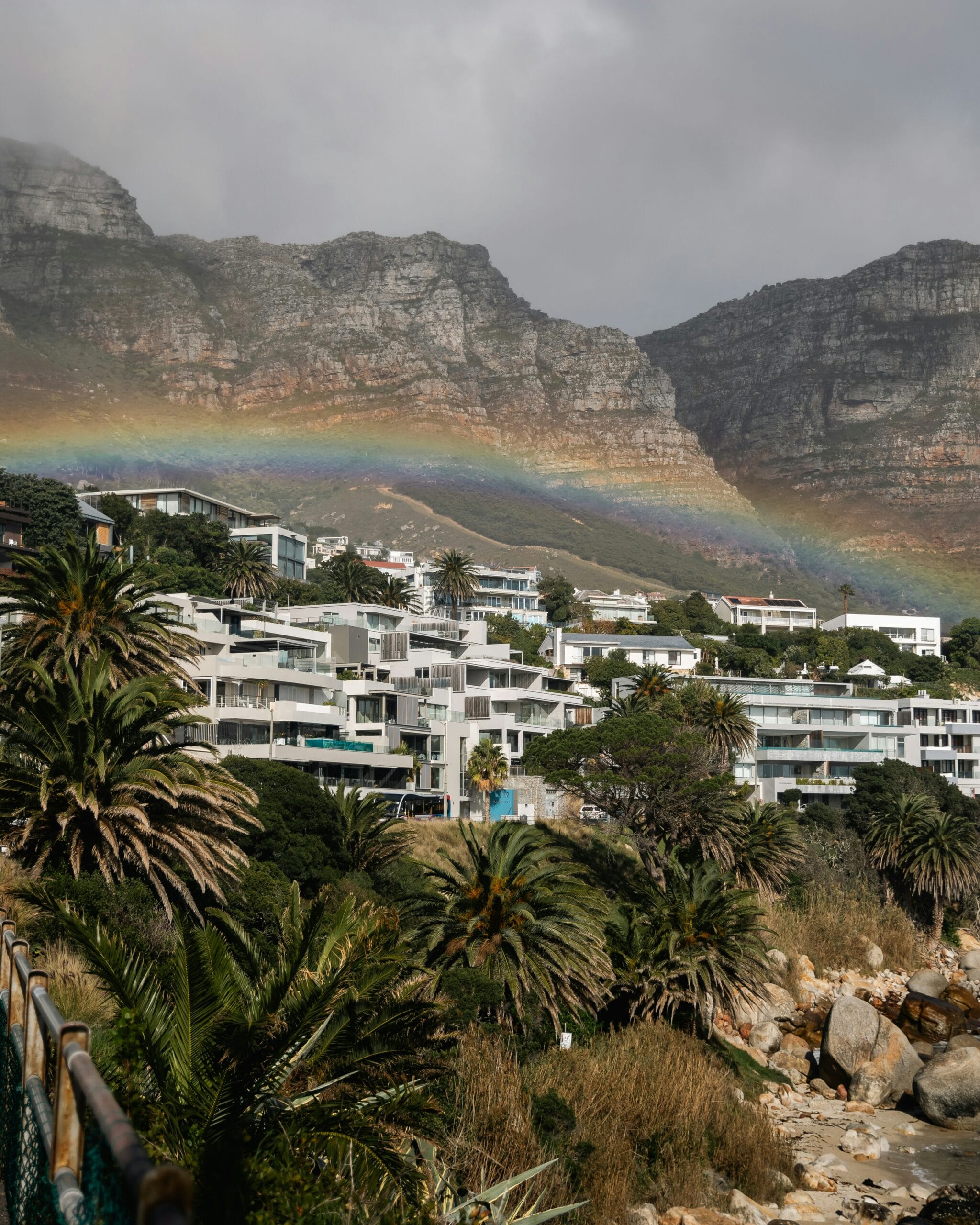
Cape Town keeps winning global titles like “Best City in the World,” and honestly, I get it. I’m living proof of the city’s pull. I arrived as a tourist, fell for the lifestyle, became a regular visitor, and eventually did what many South Africans have done in the past decade: I packed up my life in Johannesburg and moved to Cape Town.
I’m a 40-year-old Black woman, and for the past four years I’ve been raising my teenage son here. On paper, it’s idyllic. We live between beaches and mountains, surrounded by creative energy, good food, and the soft privilege of a city designed to be admired. I work from home with flexible hours, and when the walls start closing in, I relocate my laptop to beautifully curated coffee shops filled with greenery, playlists that understand mood, and people who look like they’re living intentionally.
I enjoy the lifestyle. I enjoy the ease. But increasingly, I’m aware that this ease is fragile.
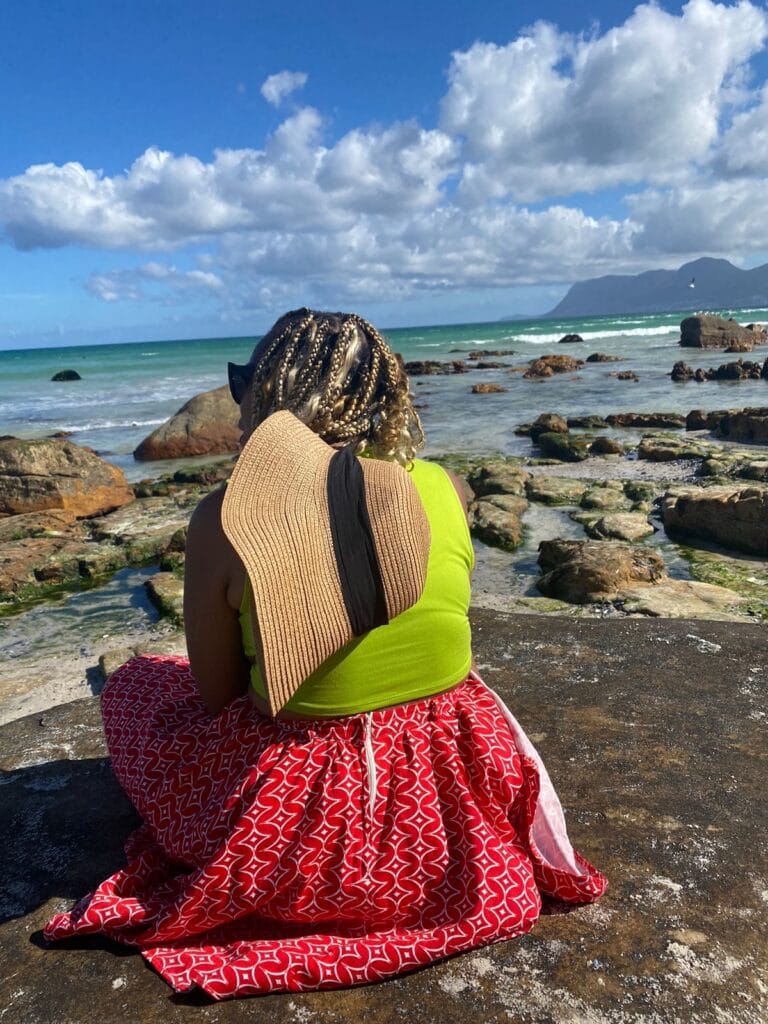
Cape Town doesn’t just exist; it performs aspiration. Morning promenade walks. Clean streets (mostly). World-class restaurants perched above the ocean. A visual language of wellness, success, and balance. For those of us who like nice things, it’s hard not to be seduced.
Over the past few years, the City of Cape Town has deliberately positioned itself as an affluent, globally competitive destination. The results are visible everywhere. International tourists are flooding in. Digital nomads are arriving in waves. South Africans from other provinces are relocating in search of a softer, prettier life.
In December 2025 alone, more than 1.12 million passengers passed through Cape Town International Airport, an 8% year-on-year increase. International arrivals rose by approximately 10–11%, bringing in high-spend travellers who can pay R12,000 a night for a Camps Bay villa without hesitation.
Tourism now sustains roughly 7% of Cape Town’s workforce, meaning one in every 14 jobs is linked to the sector. Industry estimates suggest that for every 13 international arrivals, one job is created or sustained across hospitality, transport, retail, and creative industries.
The economic gains are real. But so is the pressure.
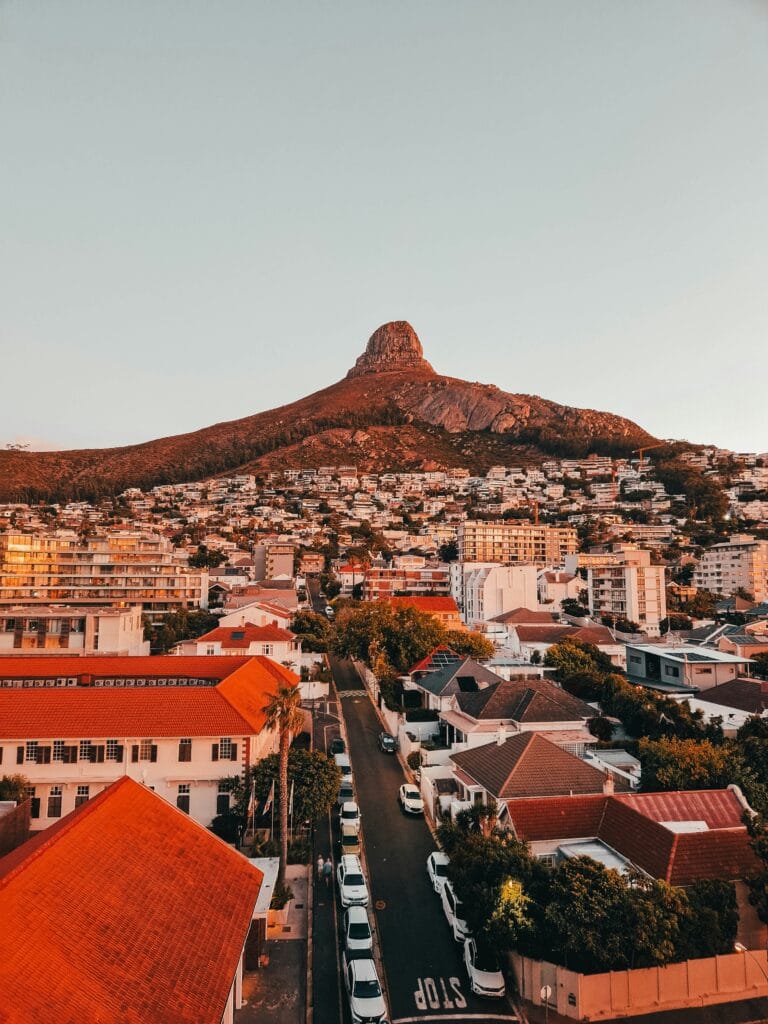
Rent Anxiety Is the New Background Noise
There’s a low, persistent hum of anxiety that follows me now: impending rental increases.
Every lease renewal feels like a gamble. I lie awake some nights doing quiet mental math, calculating how much of my income already goes to rent and how much room there is to absorb the next increase. Every new Airbnb listing in my neighbourhood feels personal, like another reminder that long-term residents are no longer the priority.
Articles celebrating record-breaking tourism numbers land differently when you’re wondering whether your salary growth will ever keep up with property inflation.
Housing has become the sharpest expression of Cape Town’s success and its cruelty. Entire apartment blocks are being converted into short-term rentals. Families and communities are being pushed further out. Somewhere along the way, the system forgot a basic truth: people need somewhere to live.
January: When the Cracks Begin to Show
January in Cape Town is when the tension becomes impossible to ignore. Locals return to work. Schools reopen. Real life resumes. Yet the city remains in full holiday mode. Tourists linger. Digital nomads keep arriving. Restaurants stay booked out. Traffic refuses to thin.
The overlap is jarring.
Recently, while buying school stationery, already irritated by the cost of living, I was stopped by a group of tourists asking for directions to an artisanal matcha café. I remember thinking: I’m stressed about pens and glue sticks, and you’re stressed about getting the perfect picture. Must be nice.
And yet, this is also when locals adapt.
We avoid the obvious hotspots. We go to the beach at 7am, before tourists wake up. We rediscover neighbourhood cafés we ignored all year. We shift our joy to quieter markets, side-street restaurants, and lowkey spaces that still feel like ours.
It’s a constant love-hate negotiation.
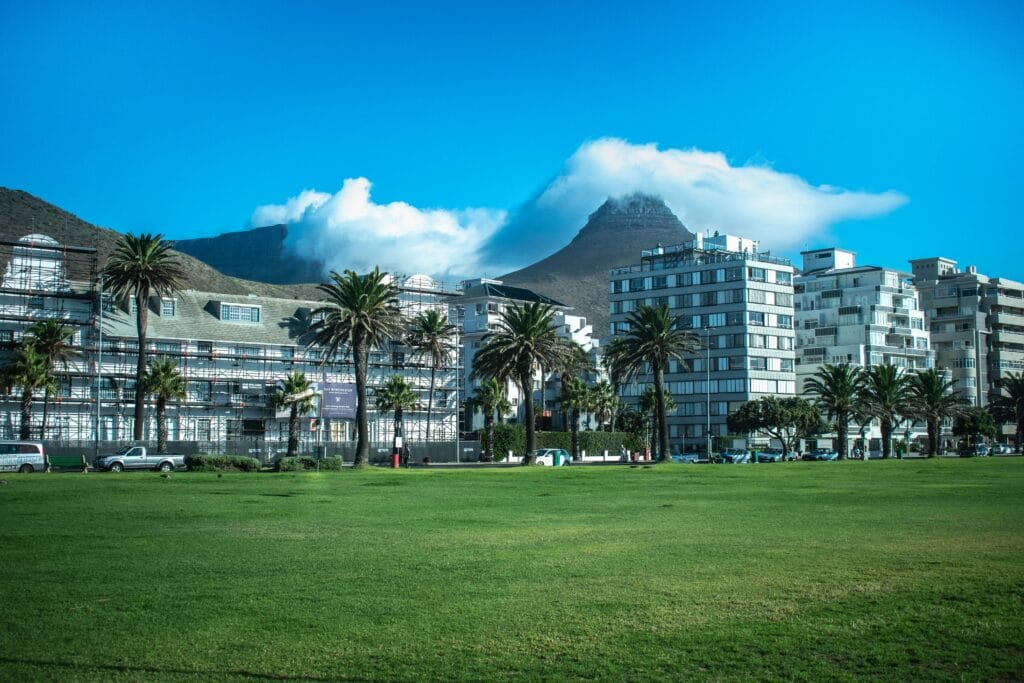
Can Locals Afford to Stay?
As Cape Town moves through 2026, with new direct flight routes from South America and increased frequencies from the Middle East, the pressure is unlikely to ease. If the mountain still stands and service delivery continues to outperform other South African metros, tourists will keep coming.
The uncomfortable question is whether locals can afford to stay and watch.
Tourists may be overstaying their welcome in the eyes of some residents, but the city’s economic model is clear. Cape Town is positioning itself as a global playground. The risk is that the people who give the city its soul are slowly being priced out of it.
The Part I Don’t Say Out Loud
I know there may come a time when the math simply stops making sense. When ocean views and sunset swims are no longer enough to justify the financial stress.
And yet, I understand why we stay, and why more people keep coming.
Cape Town’s service delivery, particularly in its urban and suburban areas, is a lifestyle stabiliser. As a mother, there’s comfort in knowing my son can play in a well-maintained public park, or that we can head to the beach after work and feel genuinely safe.
This is the tension I live with daily. I’m enjoying a beautiful life while knowing that I may be an uninvited guest in a city increasingly designed for the global elite.
So for now, I’m choosing to enjoy Cape Town while I still can – fully aware that soon, I may join the growing number of locals who simply can’t afford to live here anymore.





No Comments