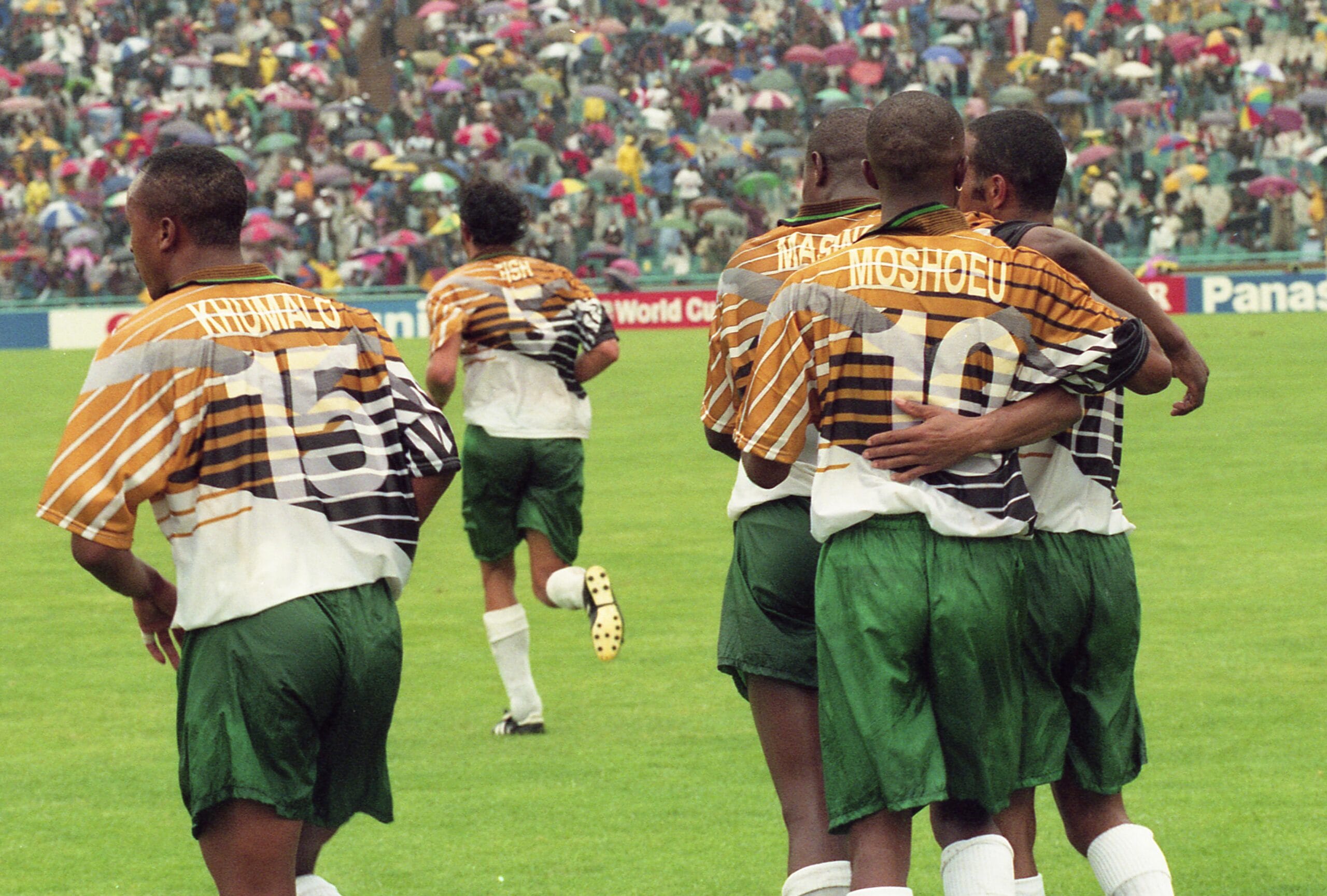
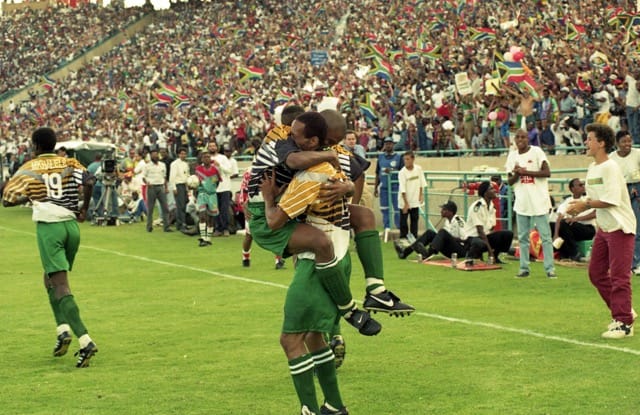
I’ve always known about the Class of ’96 because of my parents. Their names, the songs, the grainy highlights because those stories lived in our homes and conversations but watching Class of ’96: Rise of a Nation made something click in a way it never had before.
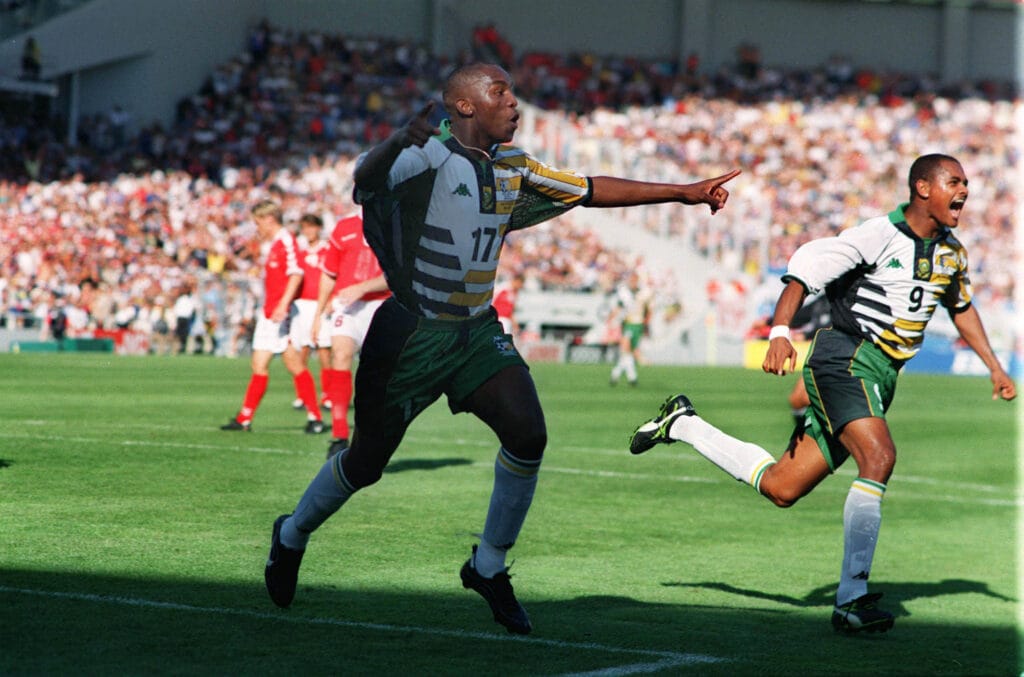
It suddenly registered that when South Africa won its first AFCON in February 1996, I wasn’t even born yet. I arrived a few months later so relax and yes, I’m turning 30 this year. Also all this time that I knew the Bafana Bafana ‘96 squad, I didn’t realise we were hosting that tournament. And that realisation felt… uncomfortable. Not because I should have known, but because it exposed how easily history slips through the cracks when it isn’t intentionally held and told!
Watching the documentary after attending the premiere was emotional in a very layered way. There was pride, obviously, but there was also sadness. The quiet sadness, the kind that sits with you on the drive home.
Because let’s be honest: Bafana Bafana winning AFCON this year, paired with this documentary landing at the same time, would have been cinematic. A nation remembering who it was while celebrating who it’s becoming again. Instead, the moments passed each other slightly out of sync.
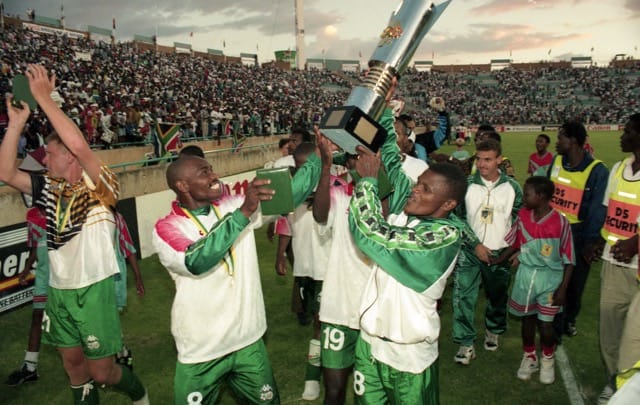
What Class of ’96 reminded me of is how important it is that we tell our own stories especially in sport. Yes, this documentary was made to honour Clive Barker, and it does so with care and intention, particularly because it’s told by his family. For the rest of us, though, it does something bigger. It preserves feeling, which is what History is! I didn’t live the joy my parents felt in 1996 but by the end of the first episode, I felt it. In my chest. That’s when I realised this isn’t just a football documentary, it’s emotional
inheritance.
The room felt it too. The screening ended in a standing ovation, the genuine kind because people needed a moment to say thank you. Seeing legends like Doctor Khumalo and Lucas Radebe there in person made everything feel even more grounded. One thing they spoke about stayed with me long after. When South Africa won in 1996, our football had an identity. Rhythm. Expression. Freedom.
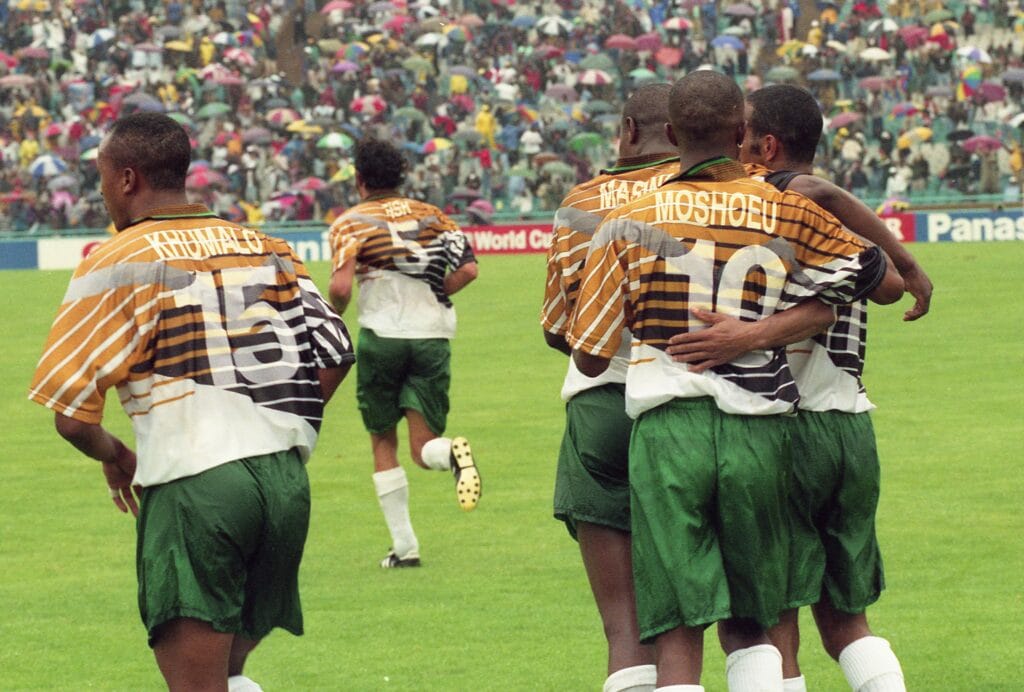
Clive Barker understood that. He didn’t ask players to abandon who they were in pursuit of structure. He encouraged them to tap into their natural rhythm: dancing with the ball, trusting instinct and not for show, but as a competitive advantage. Winning without
losing yourself.
Today, our football feels more rigid. More cautious. In trying to mirror Europe, we’ve softened the edges of what once made us dangerous. This documentary doesn’t scold us for that, it simply reminds us of what’s possible when identity leads.
Now here’s the uncomfortable part: we often disrespect our legends because we don’t know them, and that’s because the stories aren’t properly passed down. We don’t document enough as South Africans. We don’t archive our joy the way we should. When stories fade, so does context, and when context disappears, respect follows.
Class of ’96 quietly fixes that.
If you haven’t watched it already, it’s currently streaming on Netflix and available on eVOD, this is one of those watches that goes beyond sport. If you’re my age or younger, make time to witness a moment you didn’t live but carry. If you’re older, allow yourself to
relive a time when belief came easy.
It’s a feel-good documentary, yes but it’s also a reminder that national pride doesn’t only live in trophies and timelines. Sometimes it lives in memory. Sometimes it lives in rhythm.
Hopefully, this won’t be the last time we tell our AFCON stories because a country that doesn’t remember itself eventually forgets how to believe.
prevacid 15 mg
prevacid 15 mg
prevacid 15 mg
macrobid 100mg cap
macrobid 100mg cap
macrobid 100mg cap