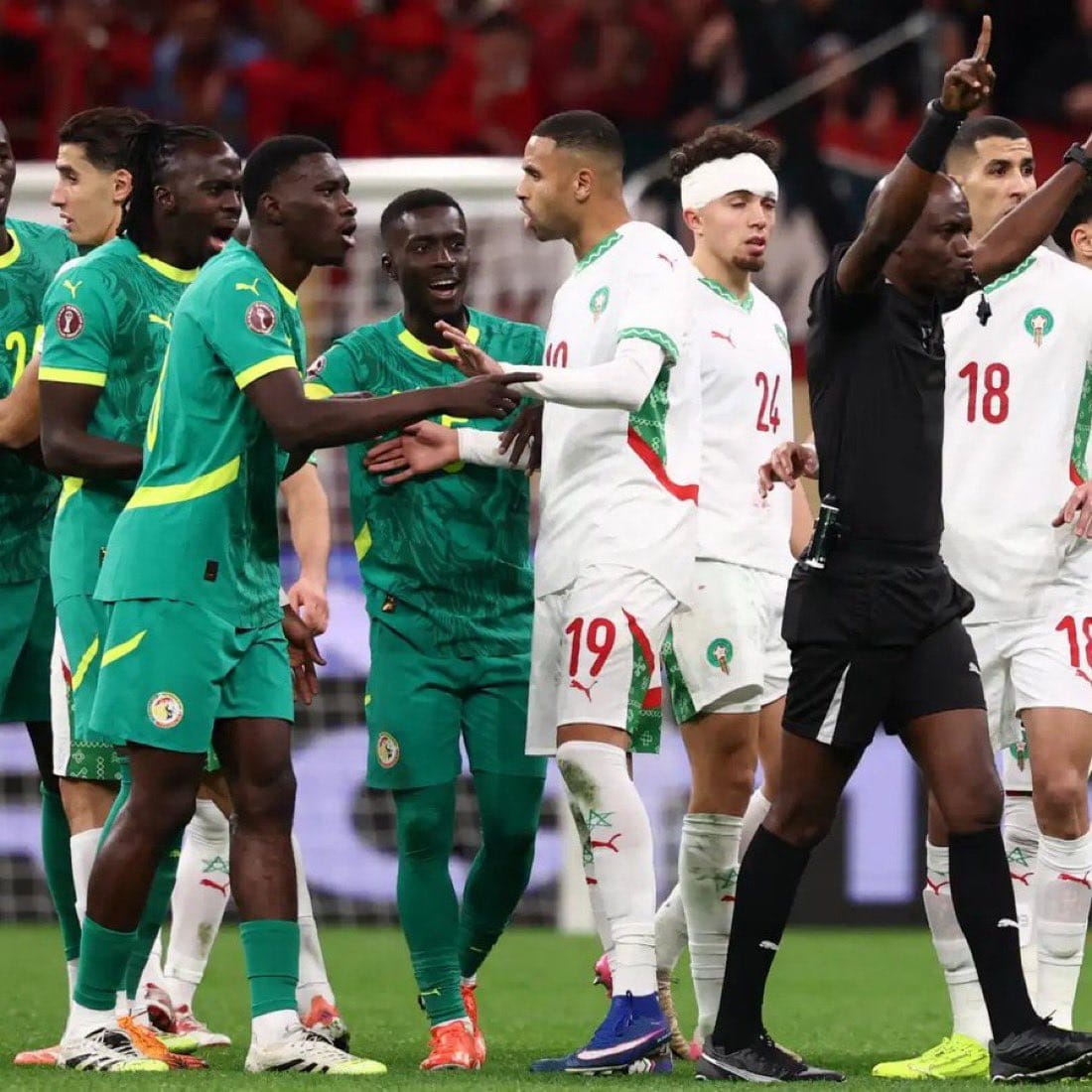
African football does not lack drama , but what unfolded after the 2025 Africa Cup of Nations final has pushed the boundaries of controversy into unprecedented territory. What should have stood as Senegal’s crowning moment has instead been rewritten by the Confederation of African Football, with Morocco now officially recognised as champions after a post-match ruling that has divided the continent.
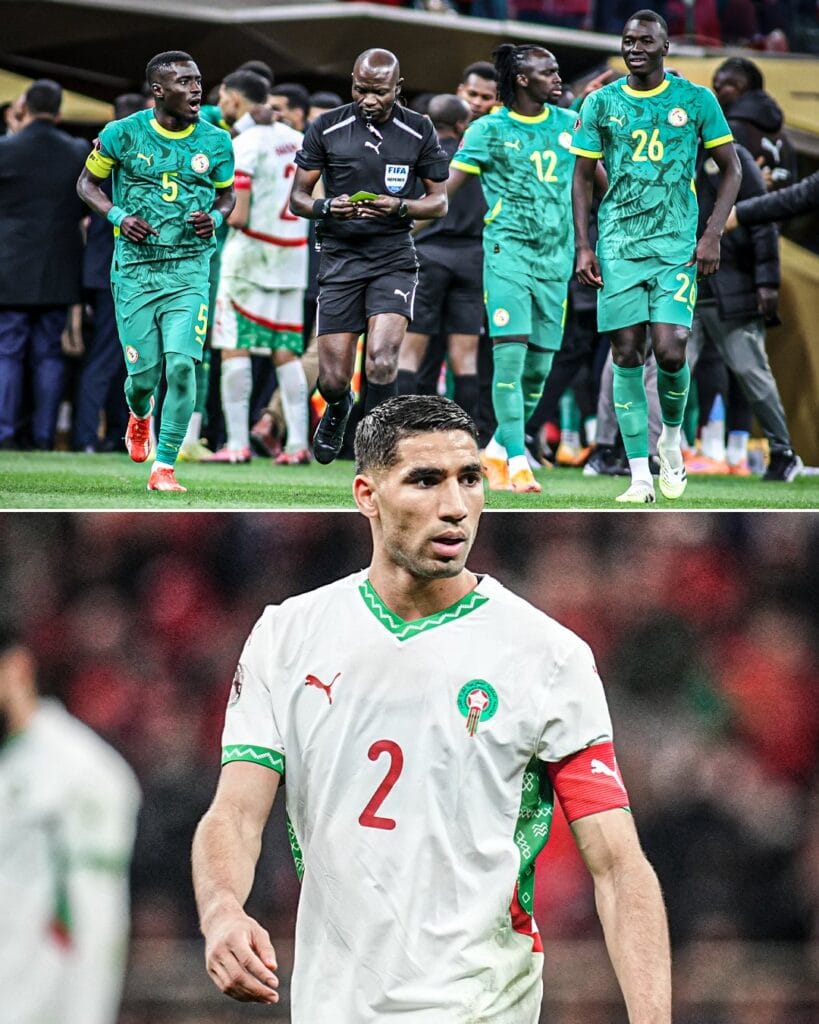
At the centre of it all is a decision that feels less like a conclusion and more like the beginning of a deeper crisis within the game.
The final itself had already carried tension, narrative, and stakes worthy of the occasion. Senegal edged Morocco in a tightly contested encounter, holding on to a 1-0 victory after extra time. It was a performance defined by discipline and resilience, the kind that typically cements legacy. But long before the celebrations could settle into history, the match had already been marked by controversy.
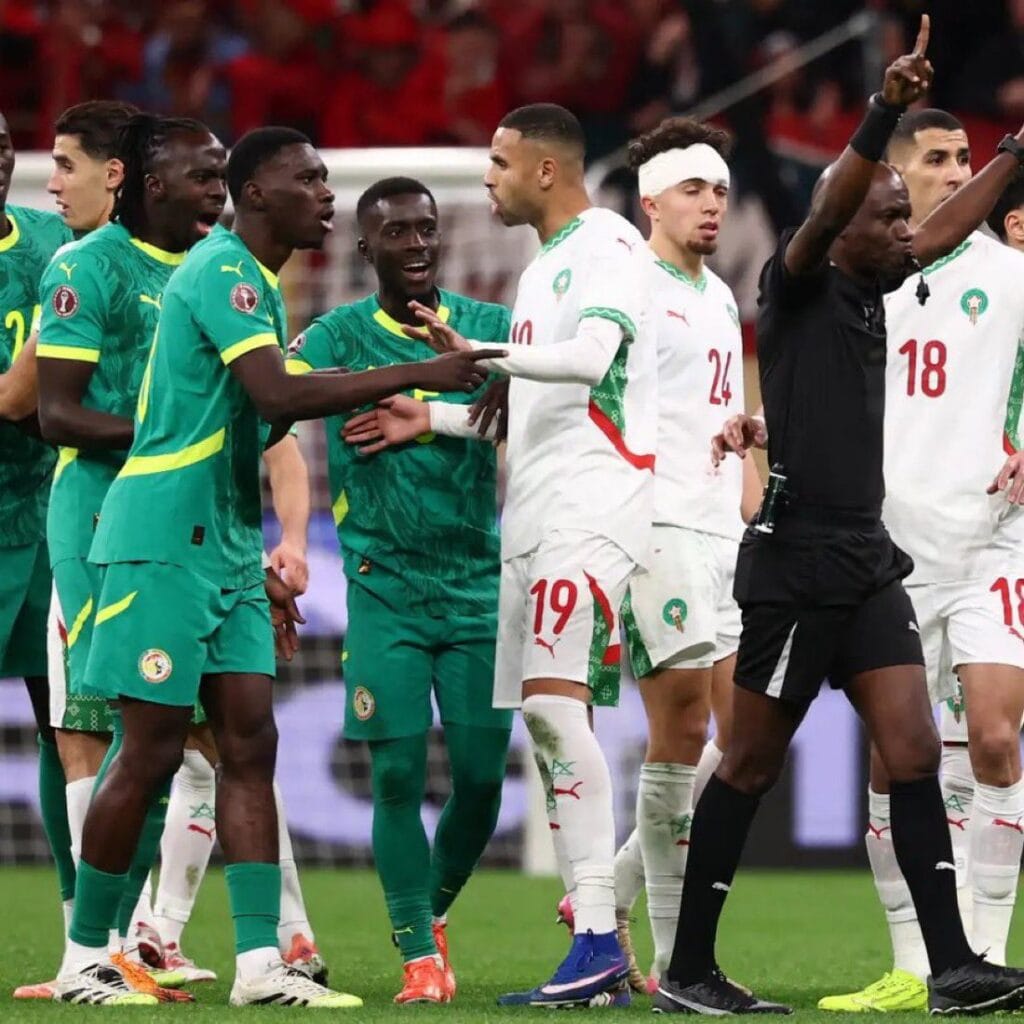
A late penalty decision awarded to Morocco sparked outrage from the Senegal bench. What followed was a moment that has now defined the entire tournament, Senegal’s players walking off the pitch in protest. Though they eventually returned and saw out the match, that act has now become the technical foundation for CAF’s intervention.
In its official statement, CAF’s Appeal Board made its stance clear. The walk-off was deemed a breach of tournament regulations, specifically relating to refusal to continue play. The fact that the match resumed did not erase the violation. From a regulatory standpoint, the case was straightforward: leaving the field without authorisation constitutes forfeiture.
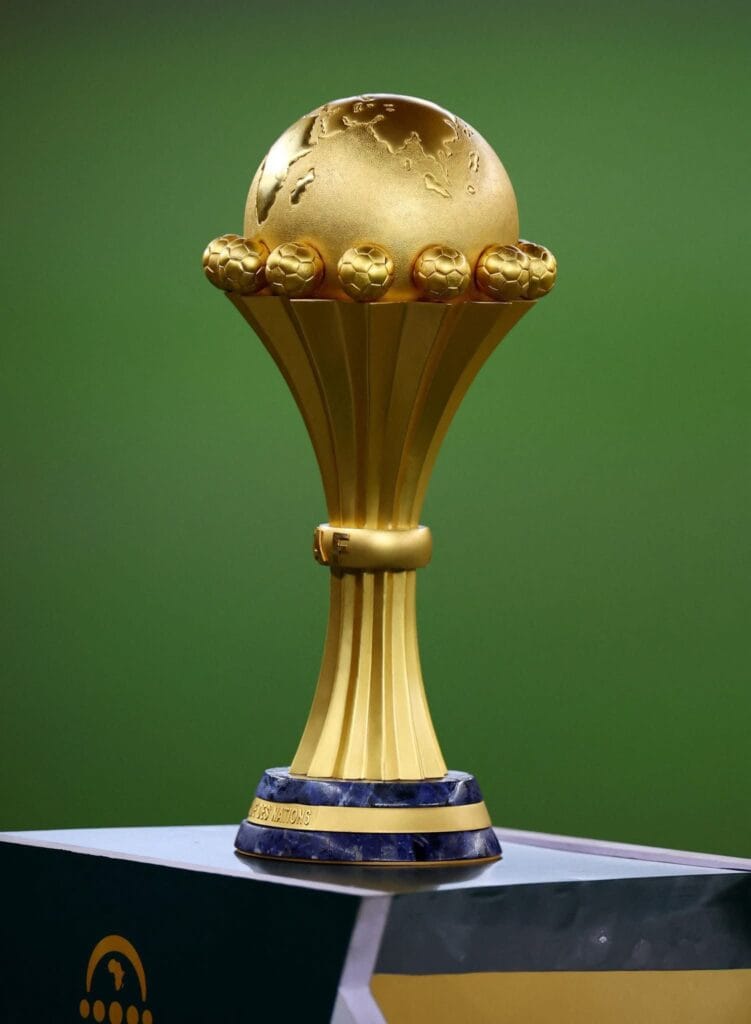
And so, weeks after the final whistle, the result was overturned. Morocco were awarded a 3-0 victory. Senegal were stripped of the title.
It is a decision rooted in rules , but one that has ignited a wave of confusion and debate across African football.
The reaction has been as fractured as it has been fierce.
There are those who argue that CAF had no choice. Rules, they insist, must be applied consistently regardless of context. Allowing such actions to go unpunished would set a dangerous precedent. In this view, the decision is less about Morocco or Senegal, and more about protecting the integrity of the competition.
But for many others, this is where the argument begins to fall apart.
Because the match was played. Completed. Decided.
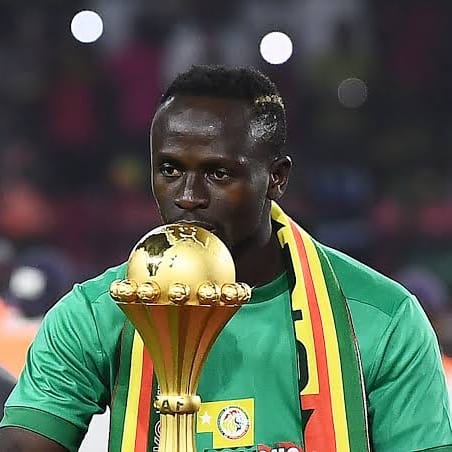
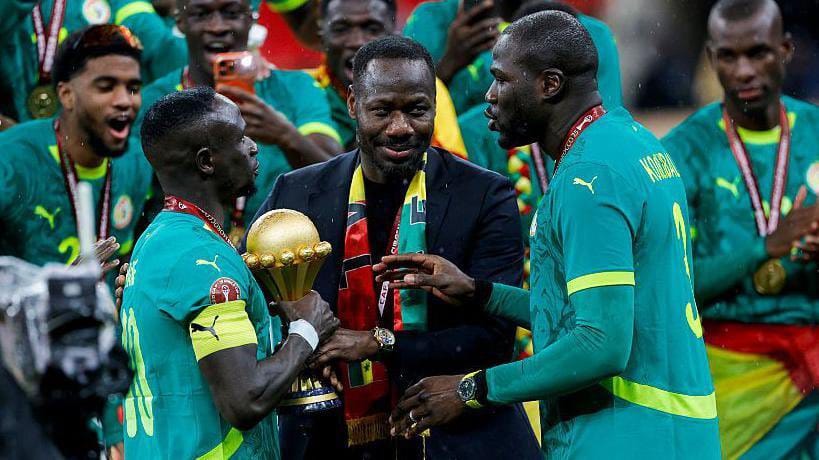
Senegal scored the winning goal. Senegal lifted the trophy. Senegal celebrated what, in every footballing sense, was a legitimate victory.
To see that reality erased , not on the pitch, but in a boardroom, has left fans questioning whether the game is still being decided where it should be.
Across social platforms and football spaces, the language has been sharp and unforgiving. Words like “robbed,” “manipulated,” and “embarrassing” have dominated the discourse. Others have taken a more measured stance, pointing to poor decision-making from Senegal in the heat of the moment. But even within that criticism, there is discomfort with the scale of the punishment.
Because this is not just a sanction. It is a rewriting of history.
Senegal’s football authorities are now expected to escalate the matter to the Court of Arbitration for Sport, setting the stage for a legal battle that could stretch this saga even further. Morocco, meanwhile, stand as official champions, but even that status has not come without scrutiny, as the manner of their victory continues to be debated.
What remains undeniable is the damage left behind.
AFCON 2025 was meant to be a celebration of African excellence, a showcase of the continent’s growth, talent, and competitiveness. Instead, it has become a case study in governance, discipline, and the fragile balance between enforcing rules and preserving the spirit of the game.
Because at its core, this is the question African football must now confront:
What holds more weight, the laws of the game, or the game itself?
Senegal won on the pitch.
Morocco won in regulation.
And in between those two truths lies the legacy of a final that will never feel fully resolved.
Not just chaos, but a broken ending that African football will carry for years to come.


No Comments