As South Africa continues to battle high unemployment, many young people are seeking career paths that offer real, lasting opportunities. Interior design may not be the first industry that comes to mind, but according to Bulelwa Jordan-Tati, founder of Cape
Town studio Urban Blend Interiors, it is one worth serious consideration.
“Interior design isn’t necessarily saturated, it’s becoming more competitive,” says Jordan-Tati. “That means there is space, but you have to be intentional about what you offer, who you serve, and how your work stands apart. You need to exercise your
perspective.”
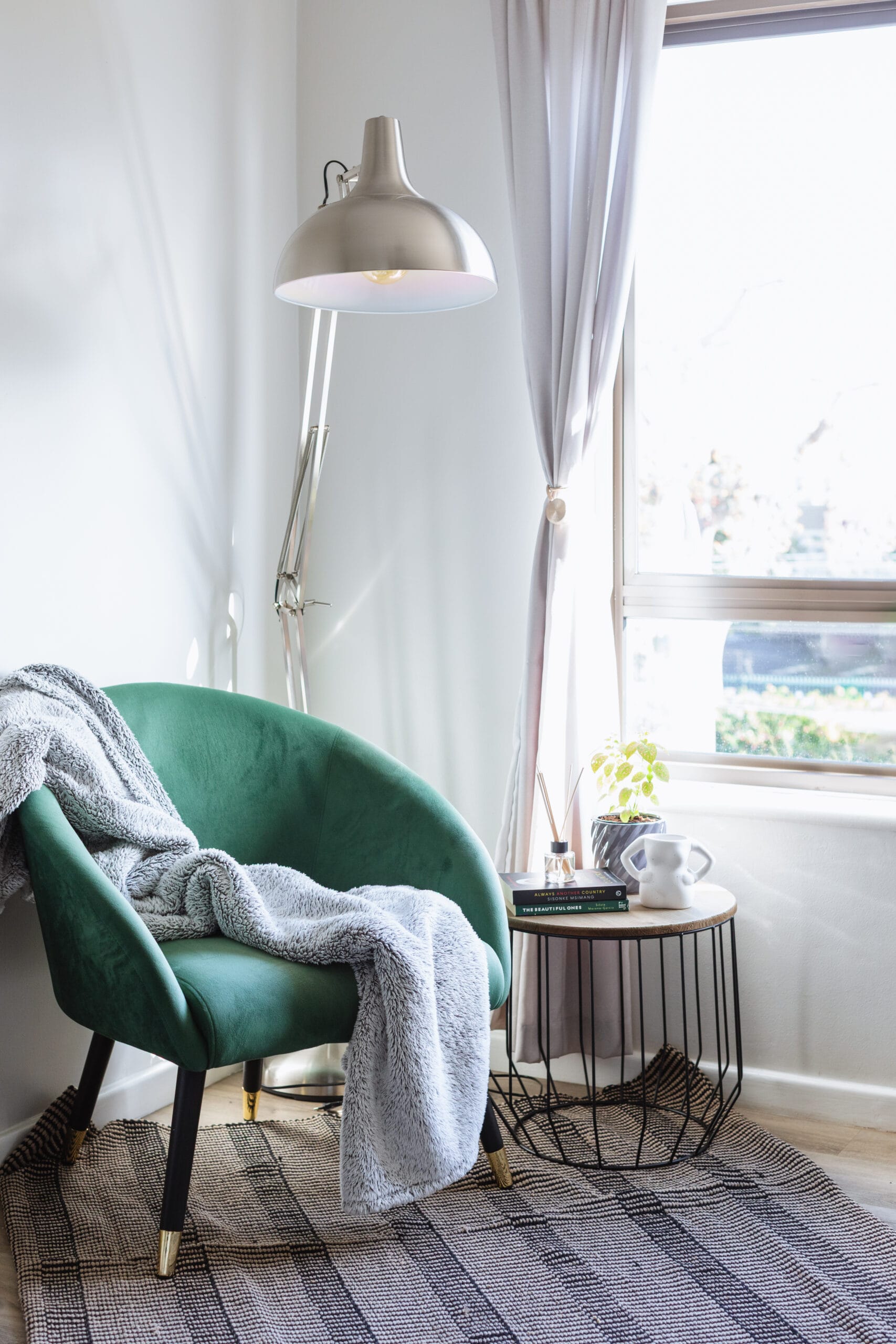
Jordan-Tati knows what it means to build a career intentionally. Her path into interior design was not a straight line. With over a decade of experience in the property sector, she eventually channeled her industry knowledge and creative instincts into founding Urban Blend Interiors, a studio known for crafting sophisticated, modern, and timeless spaces that are deeply personal. The philosophy behind the studio is rooted in emotional connection and the belief that the most powerful design emerges when a space reflects a client’s life, memories, and aspirations.
Now, she is using that experience to encourage a new generation of creatives to take the leap, regardless of their background or financial circumstances.
One of the biggest barriers young creatives face is the assumption that formal education is a requirement. Jordan-Tati pushes back on this firmly. Before she secured her first client, she focused on building a strong visual portfolio, which she describes as an essential step in an industry driven by imagery.
“Studying interior design can be beneficial, especially if you want to run a business, but it’s not the only route,” she says. “A strong creative eye, discipline, and a solid proof of concept can take you very far. Learn design software and technical tools, develop your
own perspective, and don’t be afraid to move away from trends. This industry rewards originality and confidence.”
For young South Africans who cannot afford formal training, this is an encouraging message. The tools for learning are increasingly accessible, and the industry, she says, will respond to talent and a clear point of view more than to a qualification alone.
Beyond the conversation about careers, Jordan-Tati also has her eye firmly on where the industry itself is heading. Urban Blend Interiors has identified two major design movements that are set to define South African interiors this year: maximalism and
biophilic design.
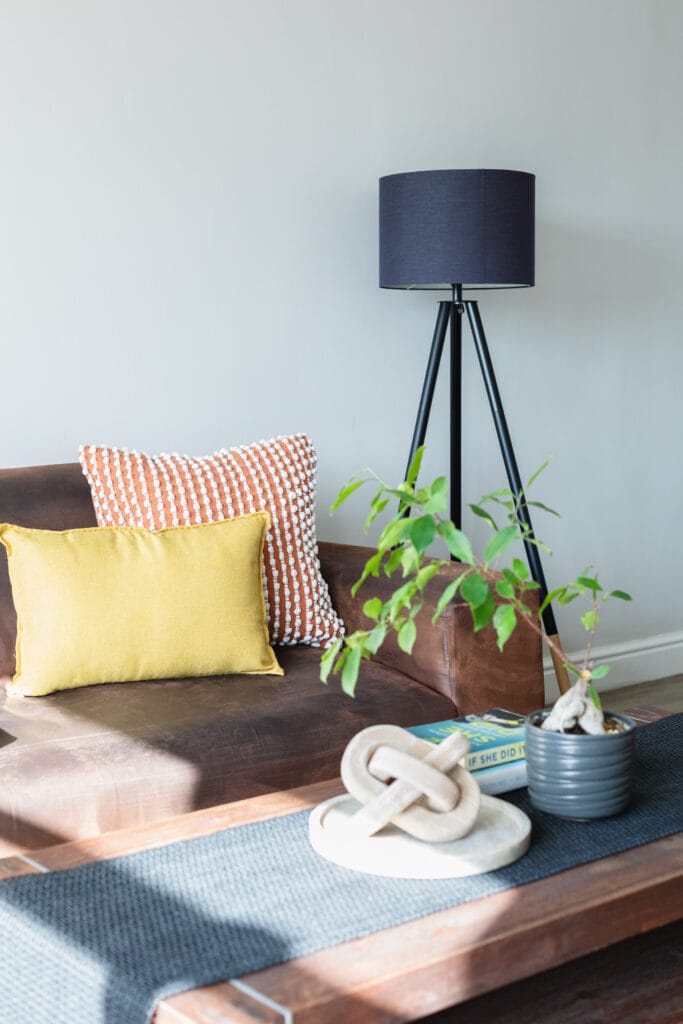
Maximalism, which picked up strong momentum in 2025, is continuing to grow. Characterised by bold colour palettes, layered textures, statement furniture, and personal collections, it is a style that celebrates individual expression rather than restraint. Jordan-Tati believes its popularity reflects a broader cultural shift in how people relate to their homes.
“Maximalism reflects how people want to live now. South Africans are becoming more confident in expressing themselves through their homes. They are no longer designing for approval, but for authenticity,” she says.
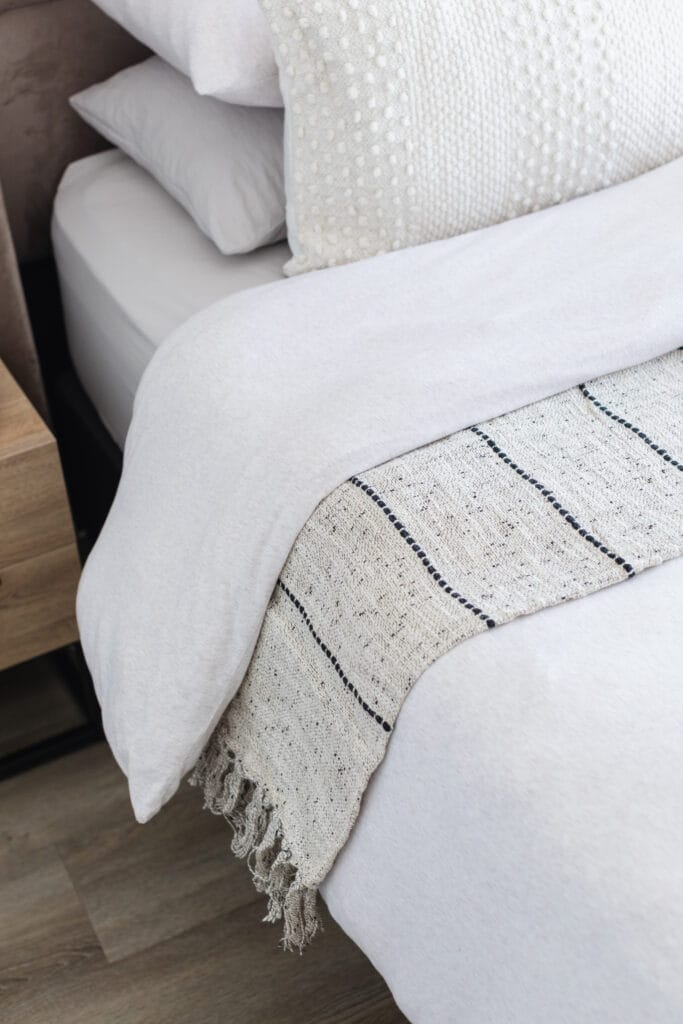
However, she is quick to point out that maximalism done well is not about filling a space with as much as possible. It requires intention and a sense of cohesion. At Urban Blend Interiors, the process begins with understanding who the client truly is, drawing from
meaningful colours, furniture, artwork, and personal objects to build something that feels layered and lived-in rather than simply busy.
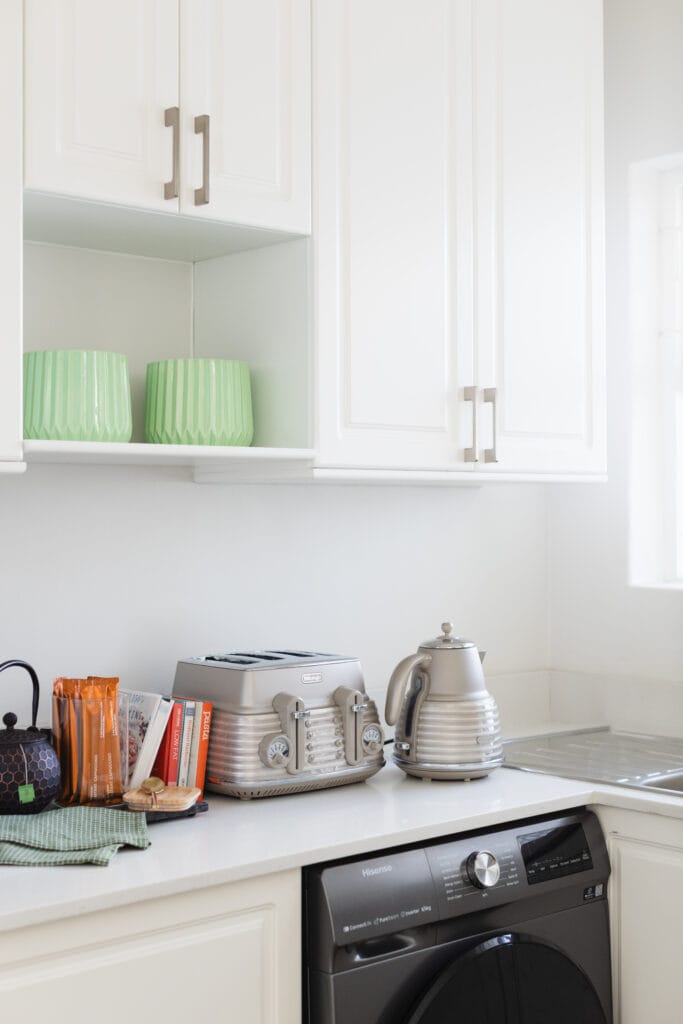
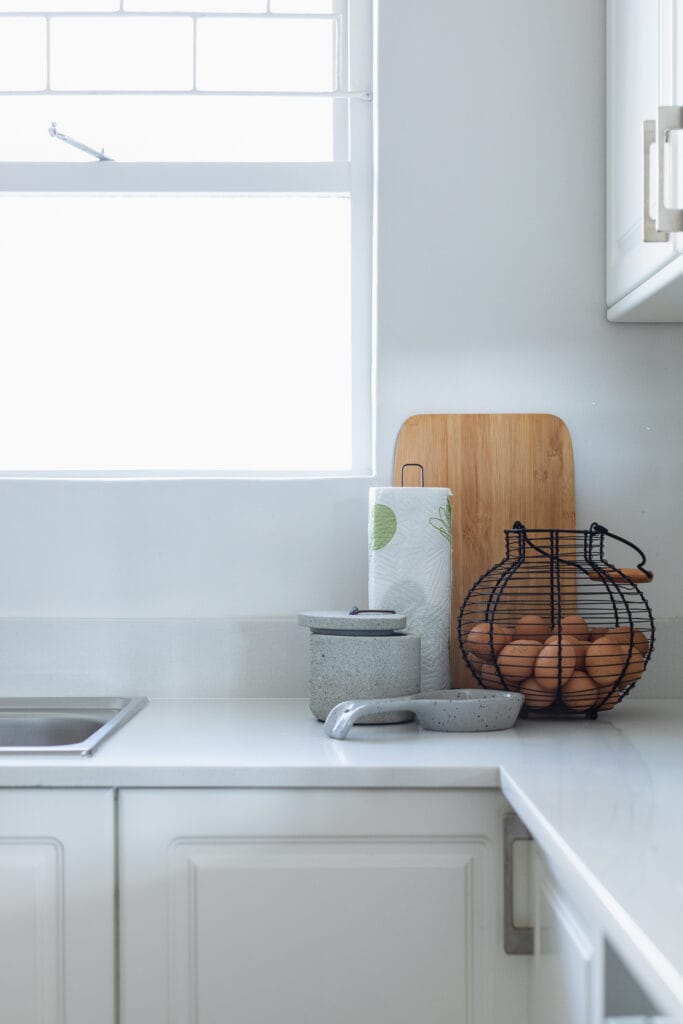
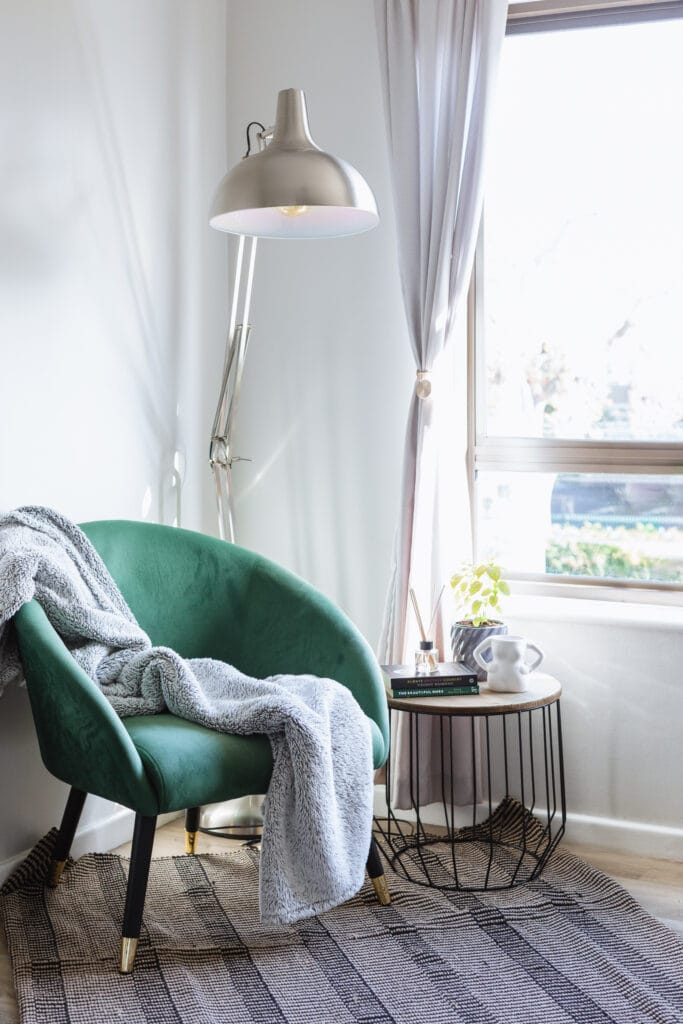
Running alongside this is biophilic design, an approach that brings the natural world into the home through natural light, organic materials, plants, wood, ceramics, and earthy textures. This style sits particularly well within the South African context, where the
landscape and outdoor lifestyle are already central to daily life. “Biophilic design speaks to our environment,” says Jordan-Tati. “We look at what already exists and enhance that connection indoors.”
For 2026, Urban Blend Interiors is focused on weaving these two movements together, creating interiors that are expressive and full of personality, while also offering a sense of calm and restoration. The result is spaces that work for both creative energy and quiet rest.
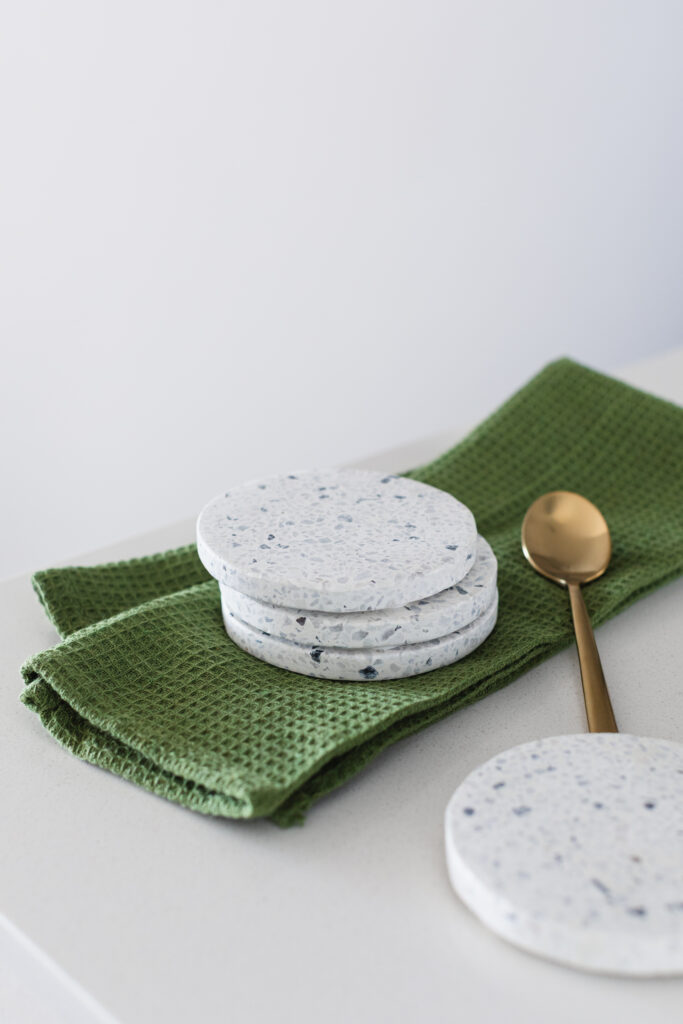
The broader message from Jordan-Tati is one of optimism. While the interior design industry in South Africa is becoming more competitive, she sees that as a sign of health rather than overcrowding. More designers entering the field means more clients are
taking design seriously, more people are investing in their homes, and more room is opening up for specialists who know exactly what they offer and who they serve.
For young creatives sitting on the fence, her advice is straightforward: build your portfolio, find your perspective, and back yourself.
Urban Blend Interiors is based in Cape Town and can be followed on Instagram at
@urbanblendinteriors.




No Comments