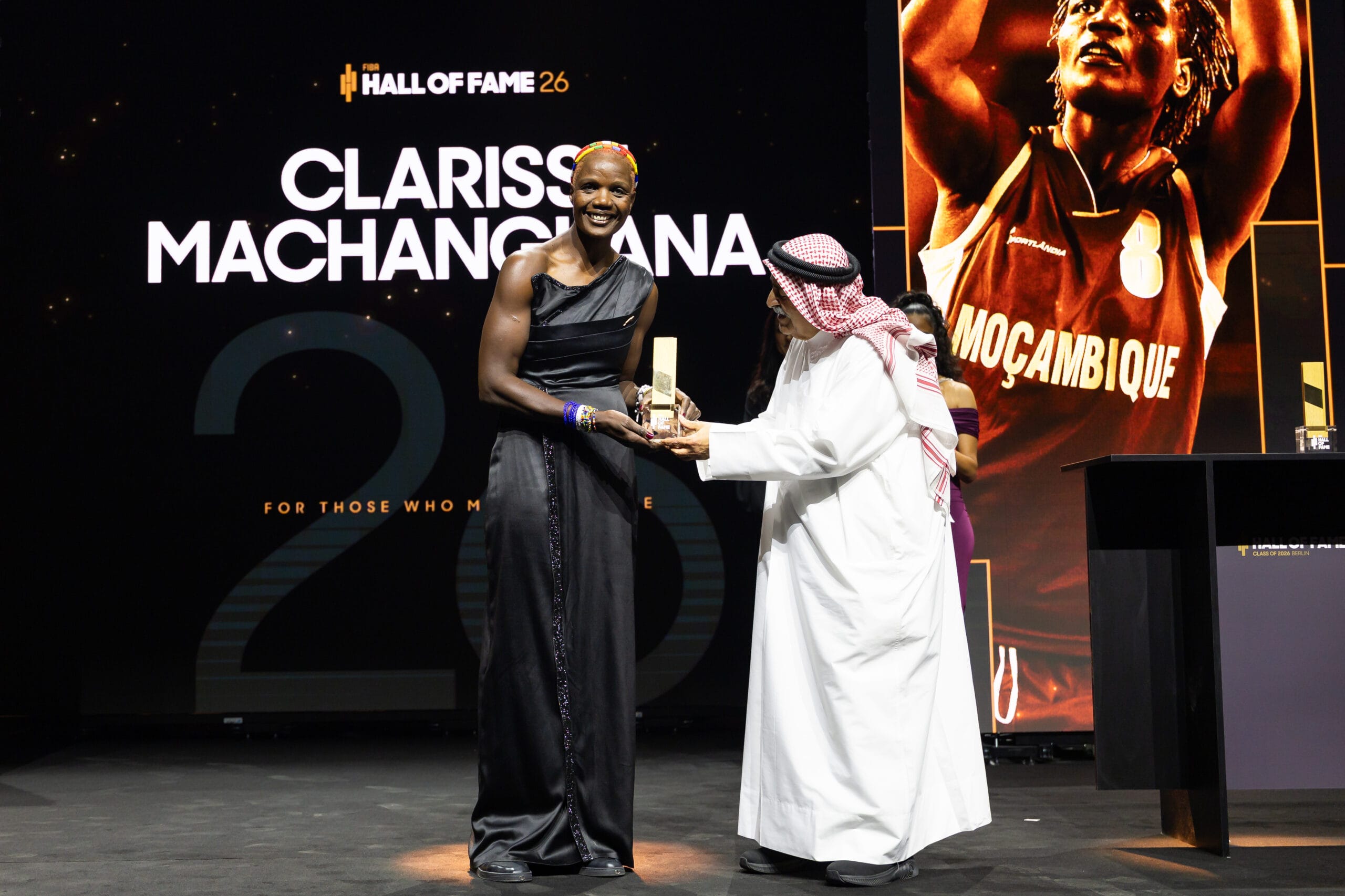
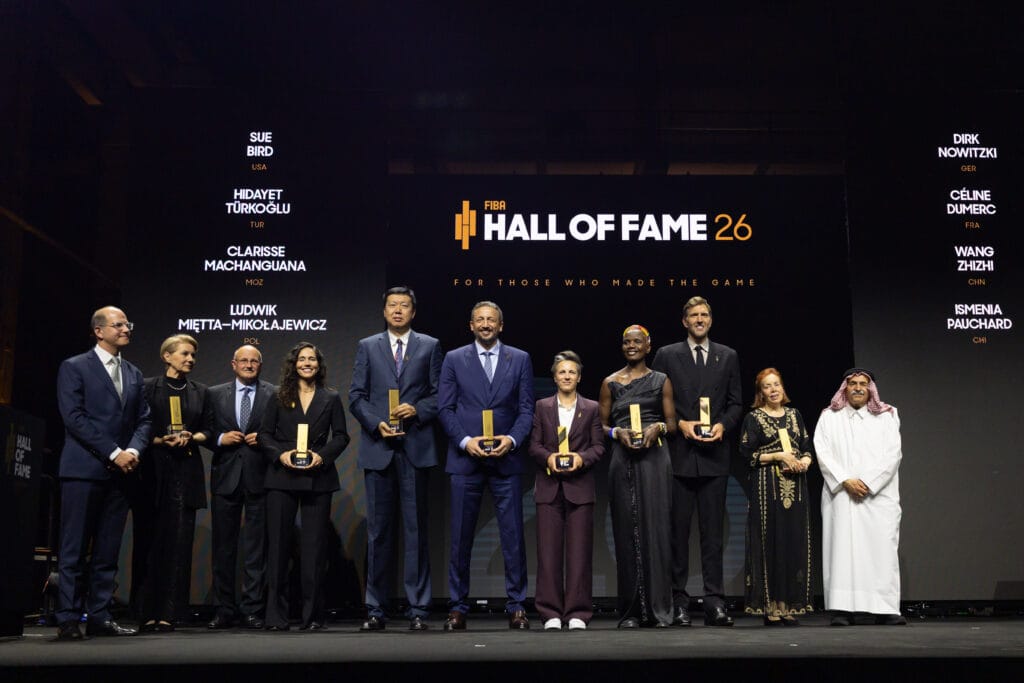
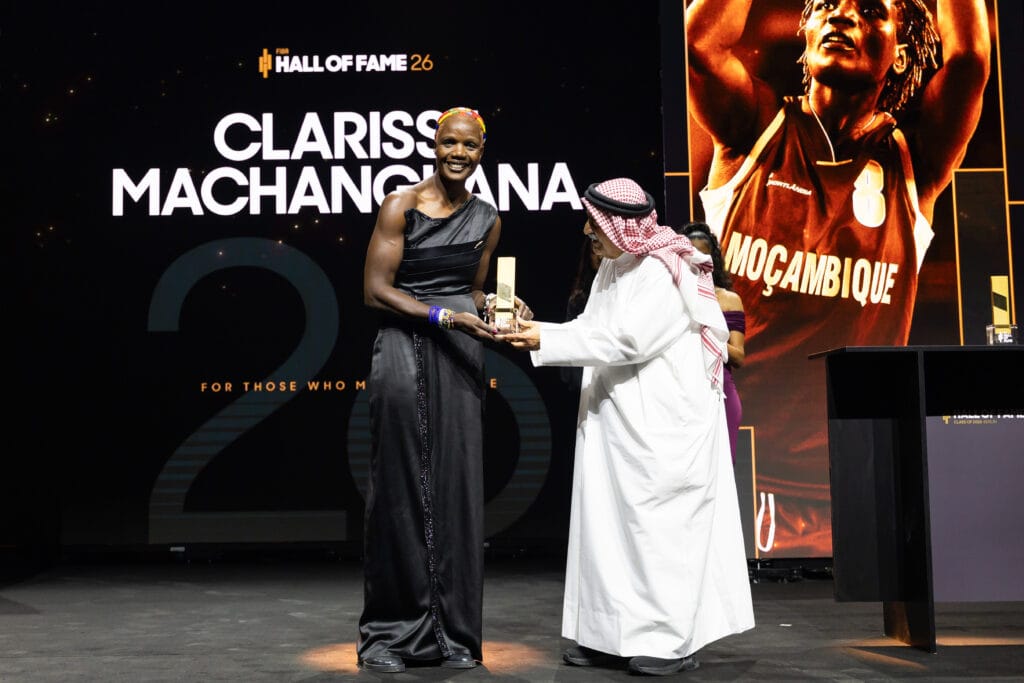
African basketball reached a proud milestone this week as Clarisse Machanguana was officially inducted into the FIBA Hall of Fame Class of 2026, a fitting recognition for a player whose influence has stretched across generations and continents. The ceremony, held in Berlin on April 21, brought together some of the sport’s most iconic names, including Sue Bird, Dirk Nowitzki and Céline Dumerc , but for many across Africa, it was Machanguana’s moment that resonated the most.
Her induction is not simply about accolades; it is a celebration of a career that helped redefine what was possible for African women in basketball.
Machanguana’s journey began long before global recognition followed. At just 15 years old, she announced herself on the continental stage by helping Mozambique secure gold at the 1991 African Games , an early glimpse of a player destined for greatness. What followed was a career built on consistency, leadership and an unwavering commitment to her country. More than two decades later, she was still at the heart of Mozambique’s success, guiding the team to a silver medal at the 2013 FIBA Women’s AfroBasket.
Her ability to sustain excellence over such a long period remains one of the defining features of her legacy.
The next chapter of her rise unfolded in the United States, where she became a standout figure in collegiate basketball with the Old Dominion Lady Monarchs. During the 1996–97 season, she played a central role in leading the team to the NCAA Final, finishing with an outstanding 34–2 record. Across her college career, she accumulated 1,813 points and consistently led her team in both scoring and shooting efficiency , an indication of her dominance on the court.
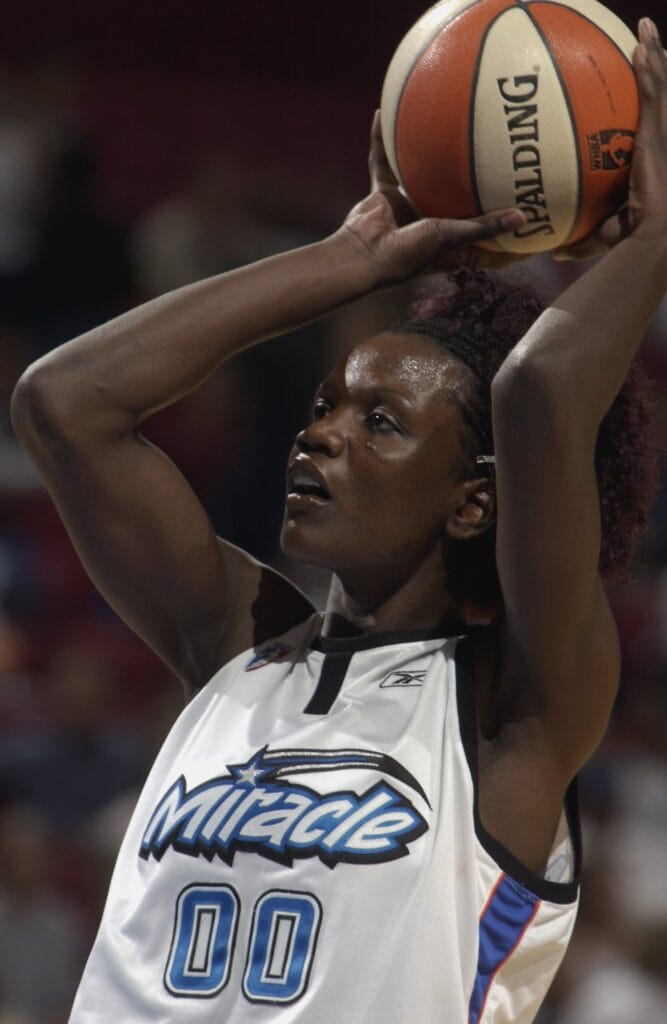
Her performances earned her national recognition, including selection to the NCAA Final Four All-Tournament Team and Kodak All-American honours in 1997. By the time she left college, Machanguana had firmly established herself as one of the most complete players of her generation.
That form translated into the professional ranks, where she was drafted into the WNBA. She went on to represent the Los Angeles Sparks, Charlotte Sting and Orlando Miracle, becoming one of the early African players to compete in the league. Her career also flourished in Europe, where she featured in top divisions across Spain, Italy and France, in addition to competing in EuroLeague Women.
While her achievements on the court are remarkable, it is her impact beyond the game that completes the picture.
In 2014, she founded the Clarisse Machanguana Foundation, an initiative focused on empowering young people in Mozambique through sport, education and health. The foundation has become a key part of her legacy, reflecting a desire to give back and create pathways for future generations , particularly young girls with ambitions in sport.
Following her Hall of Fame induction, messages of admiration and pride have poured in across basketball communities and social platforms. Many have highlighted her role as a trailblazer, praising not only her achievements but also her resilience and influence in opening doors for African athletes on the global stage. Machanguana herself has often used these platforms to reflect on her journey, consistently emphasising representation, opportunity and the importance of inspiring the next generation.
Her story is one of persistence, excellence and purpose.
From a teenage prodigy in Maputo to a global ambassador for the game, Clarisse Machanguana’s career has come full circle. Her place in the FIBA Hall of Fame now stands as permanent recognition of a legacy that goes far beyond statistics , one that continues to shape the future of basketball in Africa and beyond.
No Comments