On Wednesday evening, I slipped into my favourite dress, stepped into a pair of heels and fixed my face after a long day of production to attend a book launch. Benni McCarthy, the football legend has written a book with veteran sports journalist Mark Gleeson, and the launch took place at Exclusive Books at the Mall of Africa. The venue was packed. But then again, it’s Benni McCarthy.
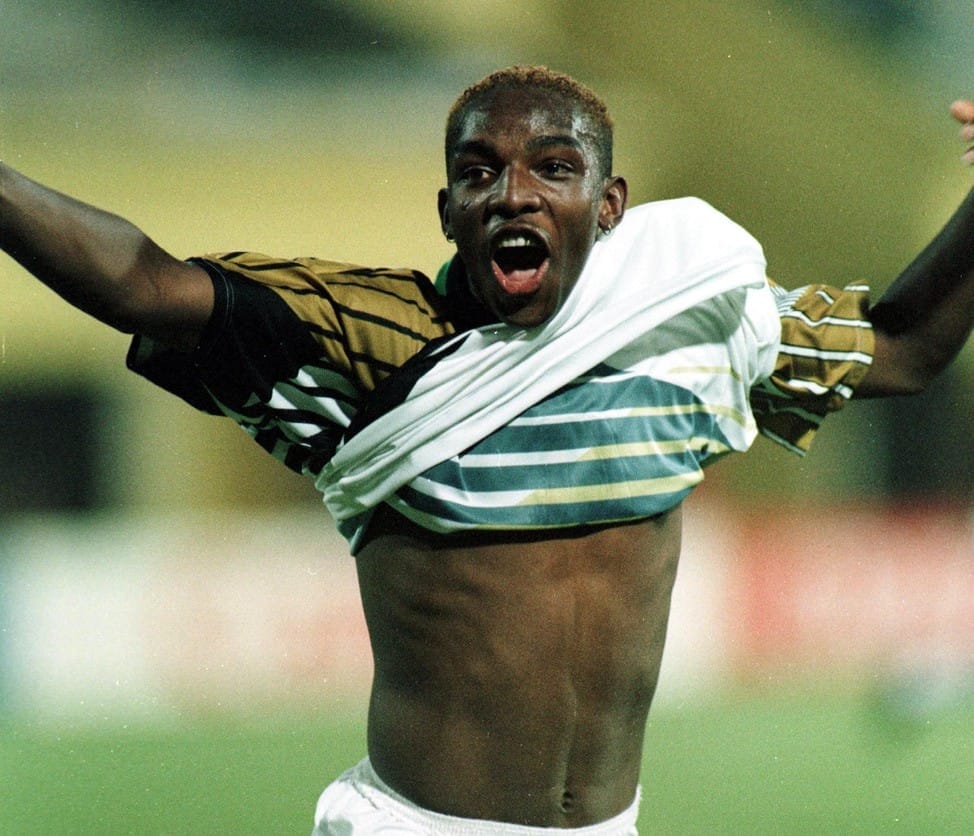
I was born in the 90s, I am familiar with his game. He is part of the iconic Class of ’96 that put South Africa on the global football map and made many of us believe that our dreams were possible. His story is one carved from pain, sacrifice and relentless determination – a reminder that resilience and defiance can lead to extraordinary success.
Now the head coach of the Kenya national football team, McCarthy’s life journey continues to inspire. He remains South Africa’s most successful football export, the all-time top goal scorer for Bafana Bafana and the country’s only winner of the UEFA Champions League.
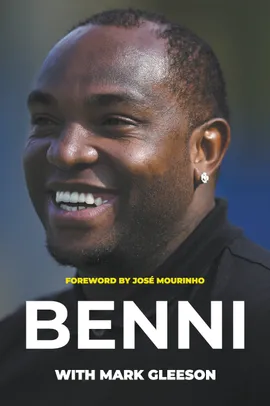
In conversation with Gleeson, McCarthy unpacked his remarkable life story, reflected in the 208-page book, which includes a foreword by legendary coach José Mourinho. One thing became immediately clear during the evening: Benni McCarthy is a brilliant storyteller. Through his words we felt every emotion – joy, laughter, sadness and everything in between.
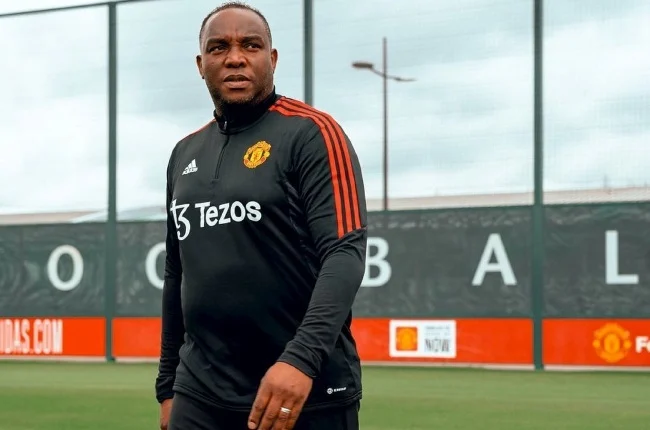
Overcoming formidable obstacles has been the hallmark of McCarthy’s career. From defying neighbourhood gang bosses in the Cape Flats to dealing with vindictive coaches and self-serving football administrators, his journey has never been easy. His defiant stance against officials often landed him in hot water, fuelling a complicated love-hate relationship with Bafana Bafana – one that has never been fully explained until now.
Growing up in the Cape Flats, an area long associated with brutal gang violence, McCarthy would go on to grace some of the biggest stages in world football, enjoying successful stints in the Netherlands, Spain and England. At FC Porto, under the leadership of Mourinho, he reached the pinnacle of club football, lifting the Champions League trophy.
A father and devoted husband, McCarthy is no longer the young striker singing about “lekker fish and chips” or dominating the “18-area” on a TKZee record (Shibobo) Today, he is a seasoned football figure backing the current Bafana Bafana squad on the world stage.
“I am South African, I support the boys and I know they will go far,” he said. “We have a good squad and a great coach. His pedigree speaks for itself. We had our run and got the country behind us, now it is time to be fully behind the boys.”
Asked whether he would one day take on the role of Bafana Bafana head coach, the former technical staff member at Manchester United did not rule it out, but insists now is not the time.
His focus remains firmly on his mission with Kenya. When pressed on who he believes could eventually take over the national team after Hugo Broos, McCarthy recommended decorated South African coach Pitso Mosimane. “His experience and knowledge make him my ideal coach,” he said. “He is exceptional.”
The former Orlando Pirates striker was also asked about the possibility of coaching rivals Kaizer Chiefs, a club he openly supports.
“They haven’t come knocking. If they are looking for me, they know where to find me. I don’t do rumours and ifs,” he said.
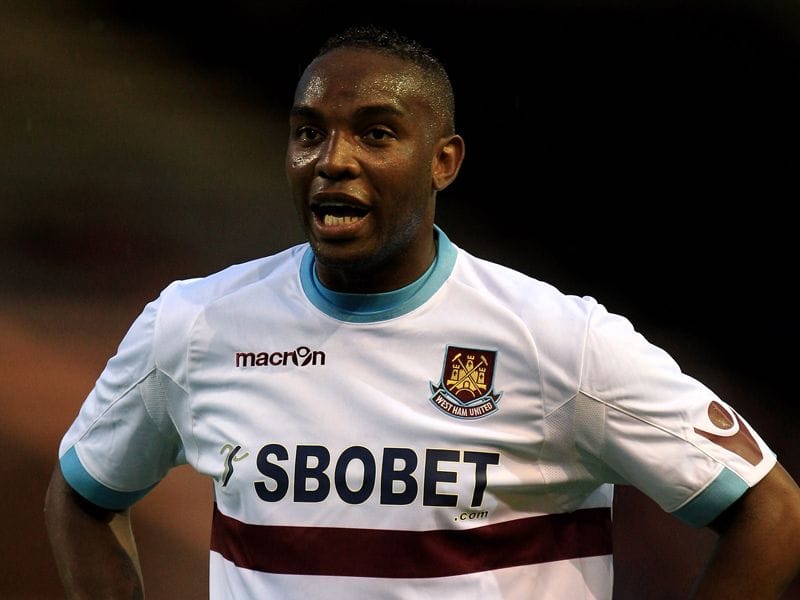
Speaking recently to Robert Marawa on 947, McCarthy also shared painful memories from his time playing in Spain, where he endured racial abuse, experiences similar to those currently faced by Vinícius Júnior.
“I sympathise with Vini. Social media has made it worse,” McCarthy said. “When I was in Spain it was really bad. It wasn’t just opposition fans – sometimes it was even supporters of my own club because I didn’t look like them. Back then you had to brush it off and keep going, remembering why you were in Europe to begin with. At least now there are consequences for this kind of behaviour. We didn’t have that protection then.”
It was at Porto that McCarthy truly found a home, a place where he felt accepted, seen and embraced. That sense of belonging allowed him to flourish, winning titles and rediscovering his joy for the game.
Behind the scenes, however, the football star had been battling depression, often retreating into silence when he was not training. Porto changed that. There he found freedom, happiness and, most importantly, his best form on the pitch.
“Benni had everything that a coach loves in a player,” Mourinho writes in the book’s foreword.
Today, McCarthy shines not only as a coach but also as a proud ambassador of South African football, and a fearless truth-teller about the realities of the game.
The book is a powerful reflection on a life lived with courage and conviction. And if Wednesday night was anything to go by, South Africans are ready to hear even more of Benni McCarthy’s story.
He promised there will be another book. And after this one, we’ll be waiting.





prescription antibiotics
prescription antibiotics
prescription antibiotics
proscar generic
proscar generic
proscar generic
lasix furosemide
lasix furosemide
lasix furosemide
doryx uti
doryx uti
doryx uti
cialis online 20mg
cialis online 20mg
cialis online 20mg
tadalafil 20mg cost
tadalafil 20mg cost
tadalafil 20mg cost
vidalista 60 mg ervaringen
vidalista 60 mg ervaringen
vidalista 60 mg ervaringen
ketoconazole general overview
ketoconazole general overview
ketoconazole general overview
sildenafil erectile mechanism
sildenafil erectile mechanism
sildenafil erectile mechanism
Sildenafil vs Avanafil Analysis Hub
Sildenafil vs Avanafil Analysis Hub
Sildenafil vs Avanafil Analysis Hub