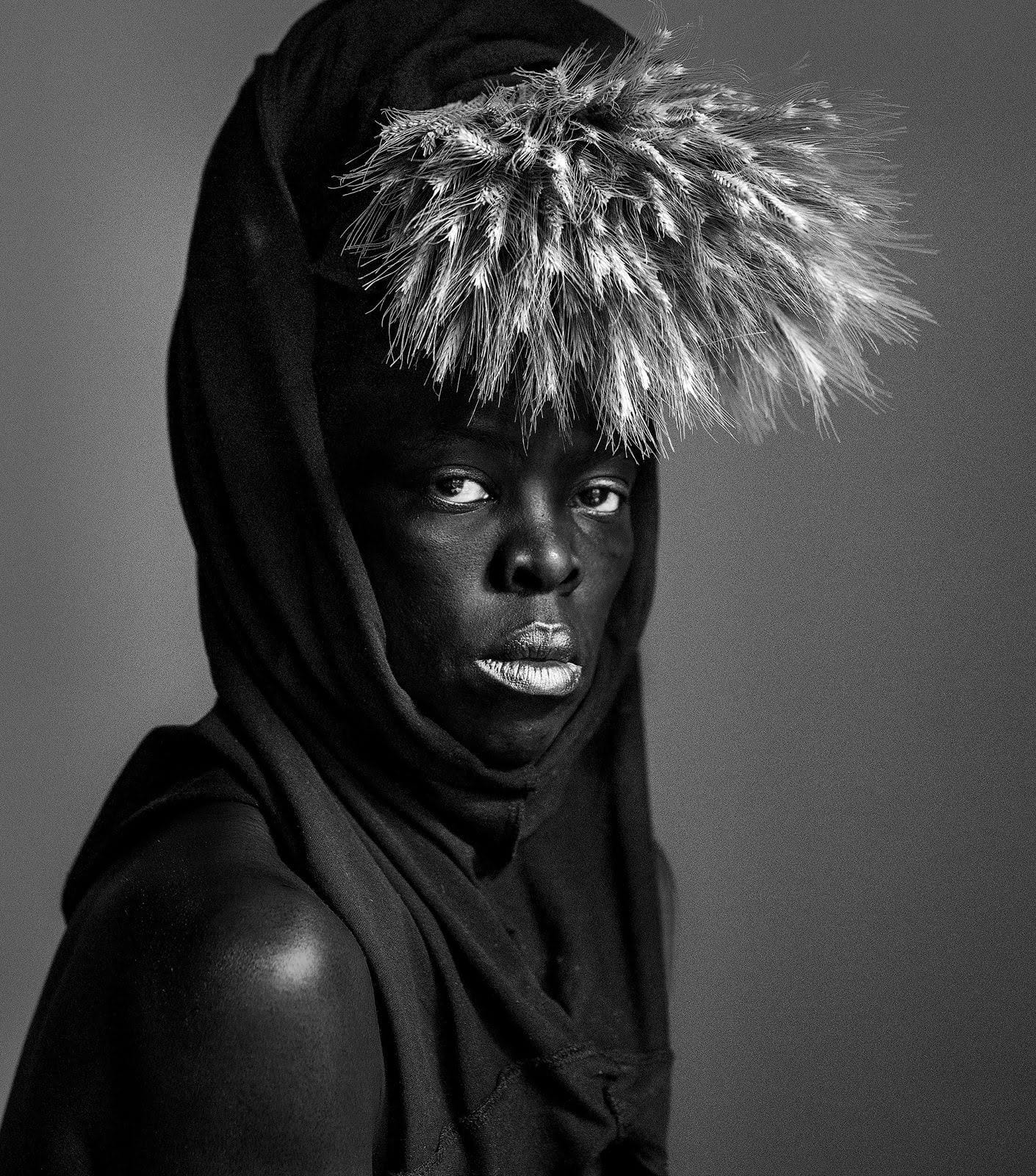
By the time you stand before a Zanele Muholi portrait, time has already slowed. You are no longer a casual observer, you are implicated, invited, seen back. This is the quiet power of Amalanga awafani (Days are not the same), Muholi’s forthcoming exhibition opening at Casa Santa Ana in Panama, where presence itself becomes a political act and visibility a form of care.
Presented from January 24 to April 19, 2026, the exhibition brings together seminal works from two of Muholi’s most enduring and influential bodies of work: Somnyama Ngonyama (Hail the Dark Lioness) and Faces and Phases. Curated by Ruth Motau, and released in collaboration with Casa Santa Ana, with support from Panama’s Ministry of Culture, the exhibition forms part of the month-long Muholi Art Institute (MAI) Mobile Art in Residency – a transnational gesture that carries Black queer archives across borders, oceans, and lived realities.
The title, Amalanga awafani, is deceptively simple. In isiZulu, it reminds us that no two days carry the same weight, the same safety, the same promise. For Black queer lives, often lived in flux, negotiation, and resilience, this truth is not poetic abstraction but daily reality. Muholi’s work meets this reality head-on, with images that refuse erasure and insist on dignity, complexity, and joy.
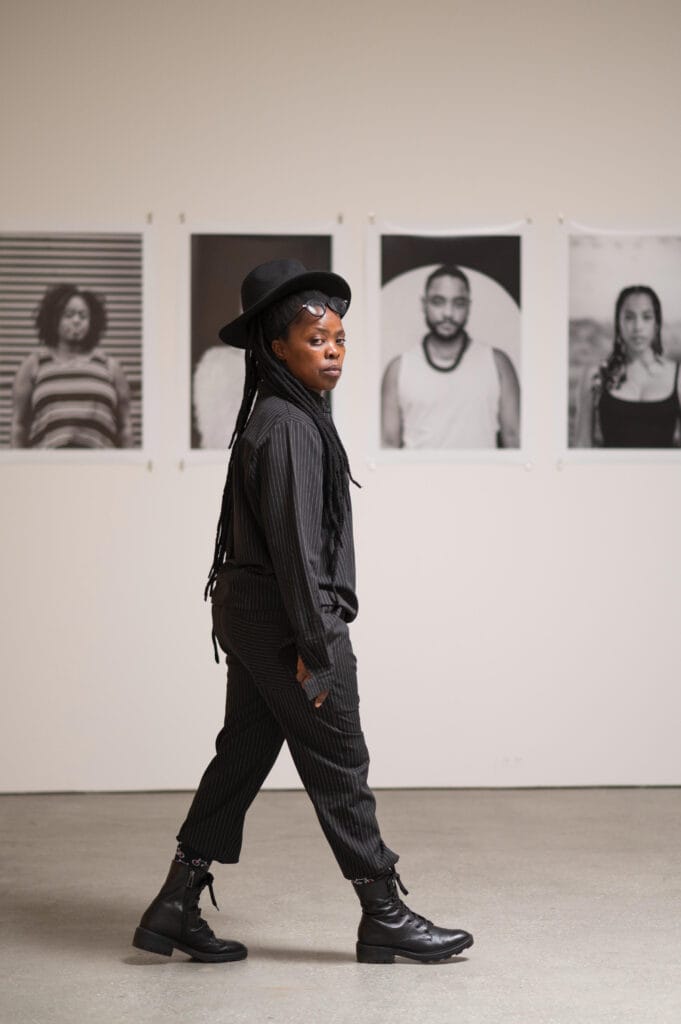
At the heart of the exhibition is Faces and Phases, a living archive begun in 2006 and now comprising more than 600 portraits of Black lesbians, transgender, and gender non-conforming individuals across South Africa, Panama, the United Kingdom, the United States, Portugal, and Brazil. The project is as much about intimacy as it is about history. “Faces” names the subjects, their gaze, their bearing, their undeniable presence. “Phases” acknowledges becoming: transitions in gender expression, sexuality, ageing, education, work, love, and survival.
“It is important to mark, map and preserve our mo(ve)ments through visual histories for reference and posterity,” Muholi has said, “so that future generations will note that we were here.” In an art world and a world at large, that has so often rendered Black queer lives invisible, Faces and Phases operates as both testimony and resistance. Each portrait is a declaration: we lived, we loved, we endured.
If Faces and Phases looks outward, Somnyama Ngonyama turns the lens inward – without ever collapsing into narcissism. Initiated in 2012, the series of stark, high-contrast self-portraits has become one of Muholi’s most globally recognised works. Here, Blackness is not softened for comfort. Instead, it is intensified, magnified, and revered.
Using everyday materials; clothing pegs, toothpaste, Vaseline, plastic, Muholi constructs improvised regalia that interrogates histories of labour, servitude, migration, and racialised beauty standards. The body becomes both site and symbol, personal and collective at once. “Portraiture is my daily prayer,” Muholi reflects. “This is no longer about me; it is about every female body that ever existed in my family. That never imagined that these dreams were possible.”
Bringing these two series together under Amalanga awafani reveals what curator Ruth Motau describes as the “profound interconnections between self-representation and communal archiving.” Visibility, in Muholi’s practice, is never neutral. It is a necessity. A strategy. A refusal. “Muholi’s work insists on visibility as both a personal act and a political necessity,” Motau notes, “and this presentation in Panama extends that insistence across continents and lived experiences.”
The choice of Panama as host is far from incidental. Casa Santa Ana, under the direction of Carolina Hausmann, was founded to connect people through contemporary art while engaging critically with the social realities of our time. In dialogue with Panama’s own histories and contexts, Amalanga awafani becomes a site of cross-cultural exchange, where Black queer narratives resonate beyond geography, language, and nationality.
“On behalf of the Ministry of Culture, we want to celebrate the arrival of Zanele Muholi to Casa Santa Ana,” says María Eugenia Herrera, Panama’s Minister of Culture. “This exhibition opens a forum for dialogue and inclusion. Supporting these initiatives is essential for building a culture which reflects all voices and realities in our society.”
For Muholi, the Panama iteration of the work is both affirmation and offering. “Amalanga awafani reminds us that no two days carry the same weight,” they say. “In Panama, through these portraits and this gathering of voices and bodies, we assert presence, complexity, and joy in the face of erasure. I am deeply grateful to Casa Santa Ana for creating space for this conversation to unfold.”
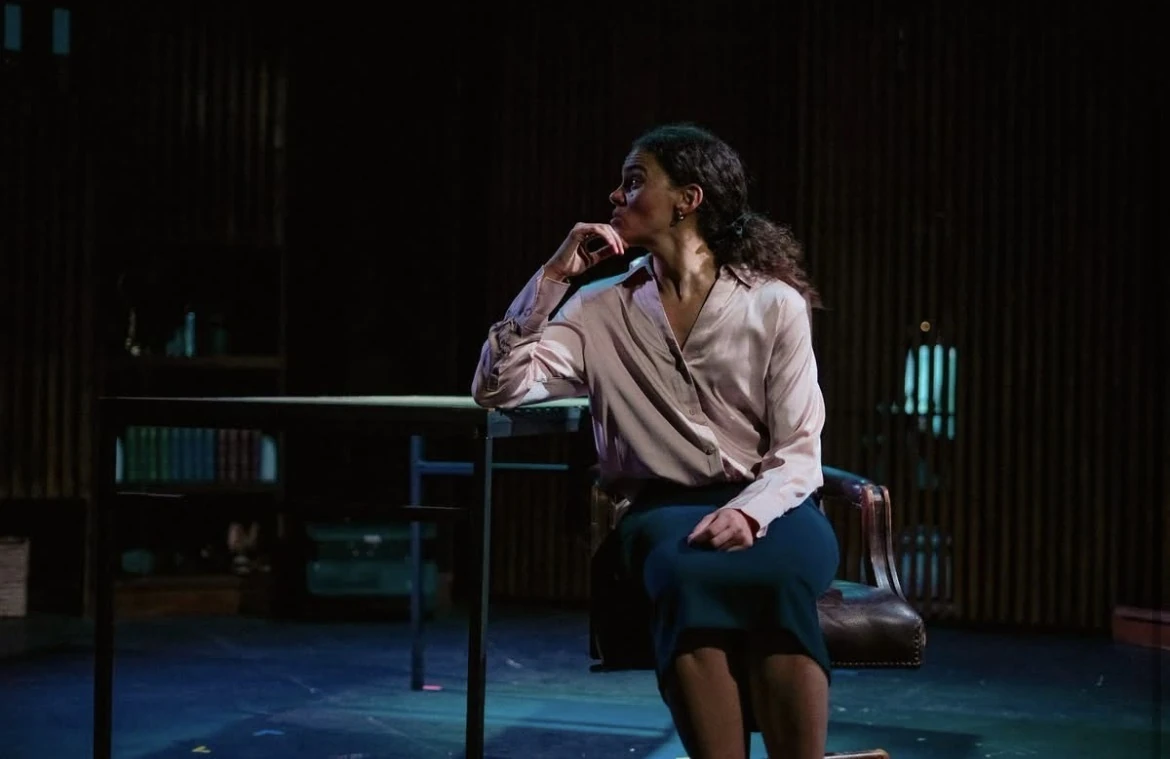
The exhibition’s opening night will extend this conversation beyond the visual. A special performance fusing South African operatic voice with contemporary dance choreographed by Lusanda Dayimani will embody Muholi’s commitment to interdisciplinary dialogue, where sound, movement, and image converge in shared breath.
In a world increasingly hostile to difference, Amalanga awafani does not ask for permission. It stands firm in its knowing: that to be seen is not vanity, but survival; that archiving is an act of love; and that even when days are not the same, presence remains powerful.Amalanga awafani (Days are not the same) is on view at Casa Santa Ana, Panama, from January 24 to April 19, 2026.
Admission is free.


metoprolol medication
metoprolol medication
metoprolol medication
reglan medication
reglan medication
reglan medication
ivermectin lotion
ivermectin lotion
ivermectin lotion
cialis generic over the counter
cialis generic over the counter
cialis generic over the counter
doxycycline for dogs
doxycycline for dogs
doxycycline for dogs
lasix medicine
lasix medicine
lasix medicine
lasix pill 40 mg
lasix pill 40 mg
lasix pill 40 mg
zudena pills
zudena pills
zudena pills
sildenafil tablets 50mg
sildenafil tablets 50mg
sildenafil tablets 50mg
vidalista 40 tadalafil
vidalista 40 tadalafil
vidalista 40 tadalafil
udenafil 100 mg
udenafil 100 mg
udenafil 100 mg
reddit uk finasteride
reddit uk finasteride
reddit uk finasteride
vardenafil 10 mg dose profile
vardenafil 10 mg dose profile
vardenafil 10 mg dose profile