In modern football, the most fragile seat in the stadium is no longer in the stands — it’s on the touchline. The 2025/26 season has once again reminded the world that coaching is a temporary privilege, not a guarantee. Across Europe’s biggest clubs and down to the Betway Premiership in South Africa, boards have reached for the same solution: change the man, hope the story changes with him.
This season has not just been about poor results. It has been about impatience, power struggles, identity crises, and the growing belief that a new voice can fix what deeper planning failed to address.
Real Madrid: When Even Potential Isn’t Enough
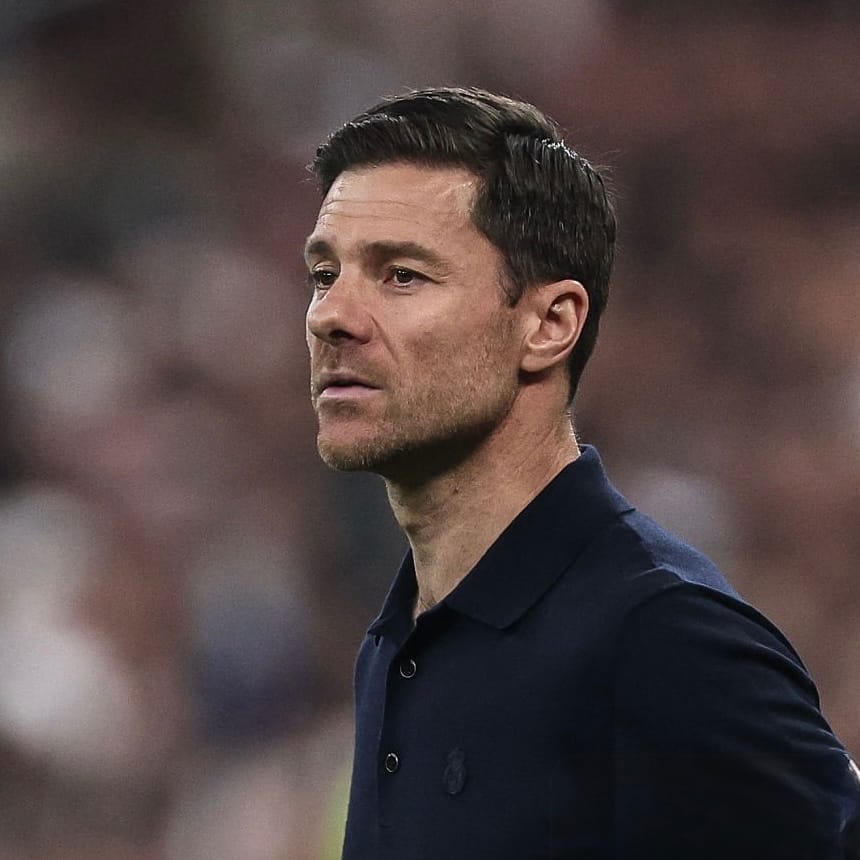
At Real Madrid, potential has never been currency — only results are. Xabi Alonso arrived with pedigree, ideas, and the backing of a fanbase eager to believe in a former midfield general turned modern tactician. His early run suggested promise, but Madrid’s tolerance for inconsistency is famously short.
Despite winning the majority of his matches, cracks appeared in key moments. Performances in Europe dipped, domestic dominance wavered, and the dressing room reportedly became restless. A high-profile defeat to Barcelona proved decisive. Alonso’s reign ended before it truly settled, a reminder that at the Bernabéu, time is a luxury rarely granted.
Real Madrid turned inward once again, appointing Álvaro Arbeloa as an interim figure , a familiar face trusted to steady the atmosphere while the club recalibrates. It was less an indictment of Alonso’s ability and more a reflection of Madrid’s unforgiving standards.

Manchester United: Another Reset at Old Trafford
Manchester United’s relationship with long-term planning remains complicated. Rúben Amorim arrived with a clear philosophy and early optimism, but the club’s structural turbulence soon caught up with him. Inconsistent league form, tactical uncertainty, and friction behind the scenes defined his tenure more than the flashes of promise.

Amorim departs with a modest win percentage that never aligned with United’s self-image as a club chasing titles rather than transitions. Once again, the rebuild stalled mid-process. The club handed the reins to Michael Carrick, a former captain whose calm presence and connection to the club’s DNA offer familiarity if not immediate answers.
Carrick’s appointment feels symbolic , a club turning to its past to survive its present, while still searching for a future that makes sense.
Liverpool: The Weight of Success on Arne Slot
At Anfield, the story is different but no less tense. Arne Slot is not sacked — yet. That distinction matters, because it highlights how quickly narratives shift in elite football. Slot delivered a league title in his debut season, a feat that should have bought patience. Instead, a sharp decline in form has placed him under relentless scrutiny.
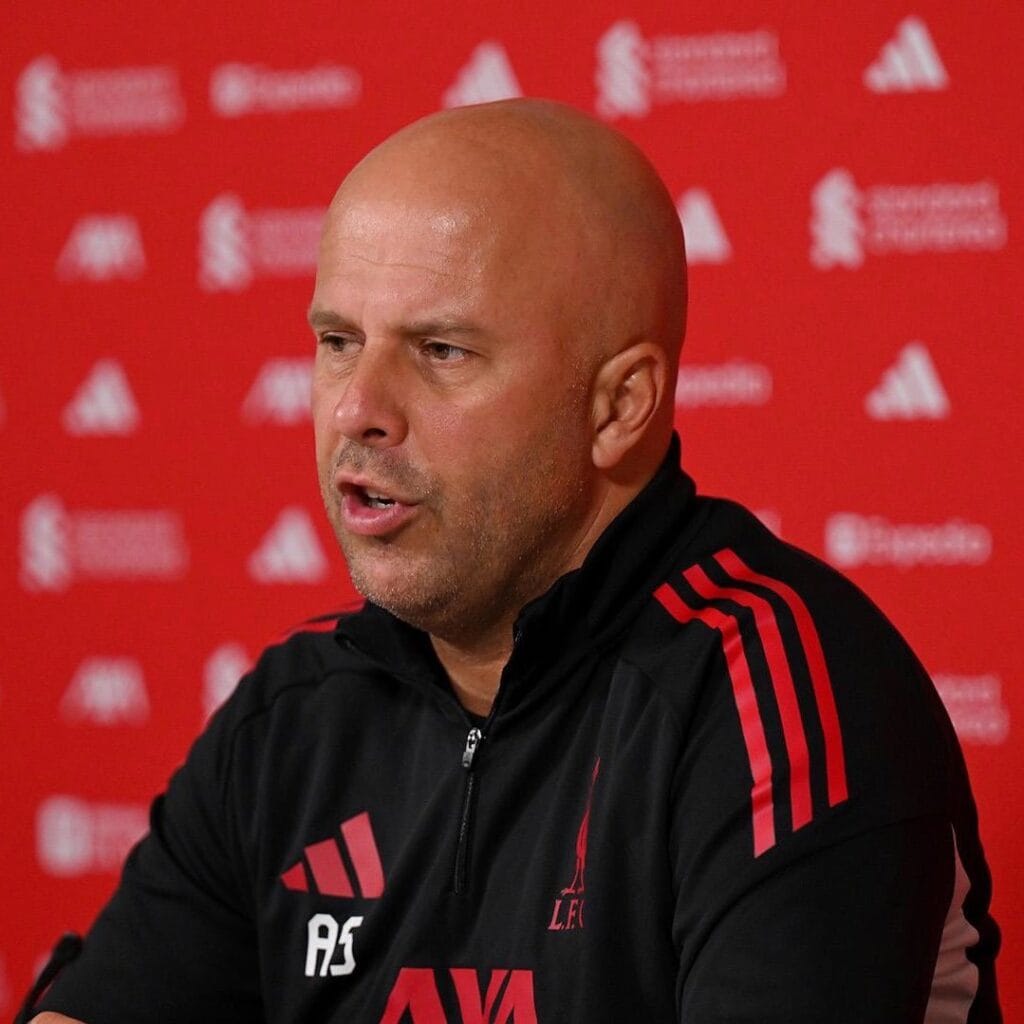
Liverpool’s supporters are torn between gratitude and frustration. The board remains publicly supportive, aware that instability after Jürgen Klopp’s departure could do more harm than good. Still, the noise grows louder with every dropped point. Slot’s situation reflects football’s paradox: success raises expectations so high that even champions are granted little margin for decline.
Europe’s Mid-Table Volatility
Beyond the giants, Europe’s middle class of clubs has been even less forgiving. Nottingham Forest’s decision to part ways with Ange Postecoglou after a short and turbulent spell epitomised the modern survival mindset. Results, not process, dictate employment. Sean Dyche’s arrival signalled a shift toward pragmatism , less romance, more damage control.
Across leagues, similar patterns have emerged. Coaches are dismissed not only for losing matches, but for failing to convince boards that progress is visible. Identity without points has become a hard sell.
South Africa’s Betway Premiership: Familiar Chaos
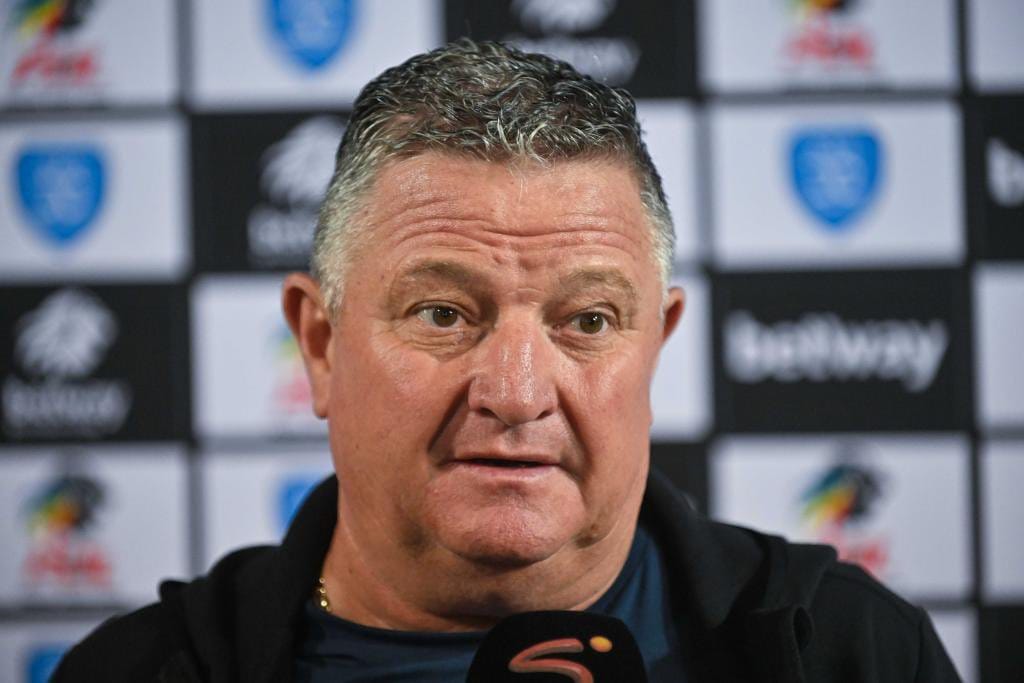
The Betway Premiership mirrors these global trends, perhaps even amplifies them. Coaching changes have become routine, often justified by short winless runs rather than long-term decline. Gavin Hunt’s departure from Durban City raised eyebrows, particularly given the team’s competitive position at the time.
Elsewhere, exits labelled as “mutual agreements” have masked deeper disagreements over recruitment, style, and expectations. In South Africa, as in Europe, patience is scarce and pressure constant. Clubs chase immediate uplift, sometimes at the cost of continuity.
Why the Whistle Blows Early
What links these stories is not failure alone, but fragility. Coaches today operate in environments shaped by social media pressure, instant comparison, and commercial urgency. Boards fear stagnation more than instability. Fans demand identity and results simultaneously. Players wield influence that can quietly decide a manager’s fate.
The coach becomes the most visible solution to invisible problems.
From Madrid to Manchester, from Anfield to the Betway Premiership, the 2025/26 season has reaffirmed football’s harsh truth: the margin for error has never been smaller. Coaching is no longer just about tactics ,it is about politics, perception, and timing.
Some managers fall despite promise. Others survive despite doubt. But none are immune.
In this game, the bench is never permanent ,it’s simply borrowed time.




No Comments