Sport has always been about performance, who runs faster, scores higher, wins more. But in this new era, victory isn’t measured in trophies alone. It’s measured in influence.
From football pitches to Formula 1 paddocks, teams are no longer just competing in sport they’re competing in culture. The real game now is played off the field, in collaborations that merge music, lifestyle, tech, and design into one global conversation.
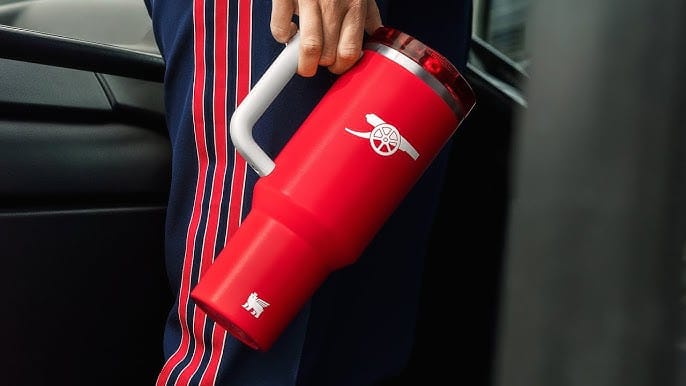
Take Arsenal’s collaboration with Stanley, the heritage water bottle company. What could have been a simple sustainability partnership turned into a lifestyle moment. Suddenly, fans weren’t just supporting their club, they were participating in a culture of wellness, design, and functionality. Arsenal found a way to extend its influence beyond match day, into everyday life.
FC Barcelona’s partnership with Spotify did something even more radical. It didn’t just add a logo to a jersey; it reimagined what a club can represent. Music and football fused into one experience, with the Spotify Camp Nou becoming both a stadium and a stage.
When Drake’s OVO logo replaced the Spotify badge for El Clásico, the worlds of sport and sound collided perfectly. It was more than marketing, it was modern myth-making.
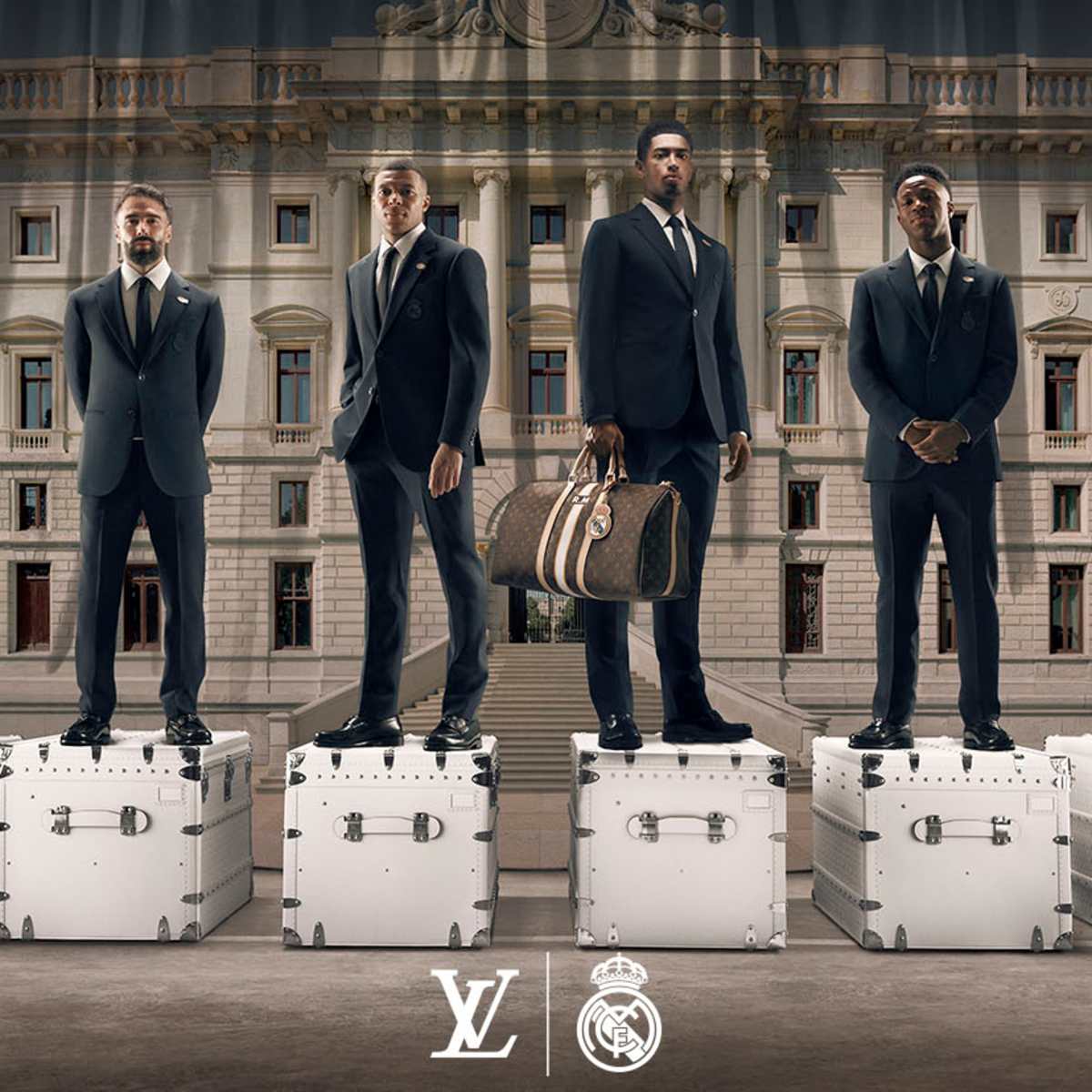
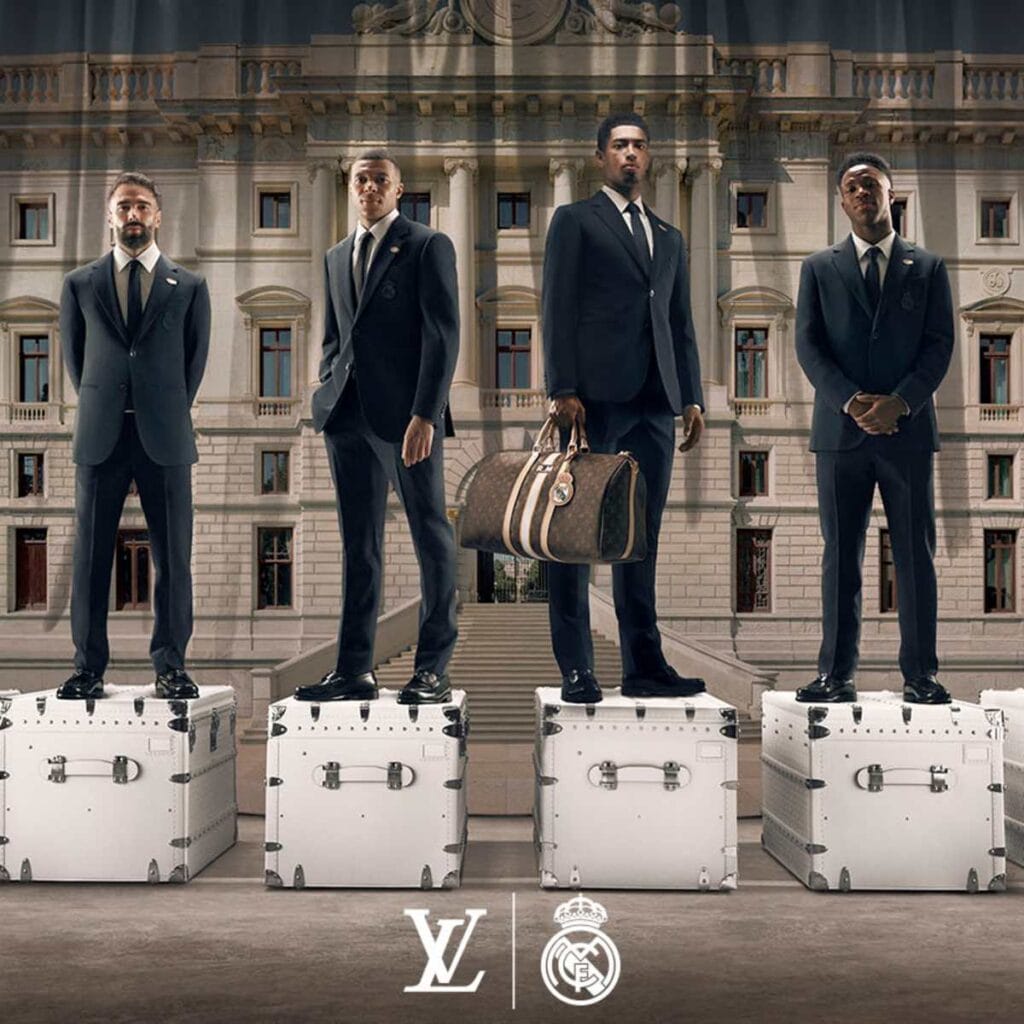
Then there’s Real Madrid x Louis Vuitton, heritage meeting heritage. It wasn’t about luxury for luxury’s sake; it was about aligning values: legacy, excellence, and timeless design. FC Barcelona x Amiri took that conversation to the street, blending European
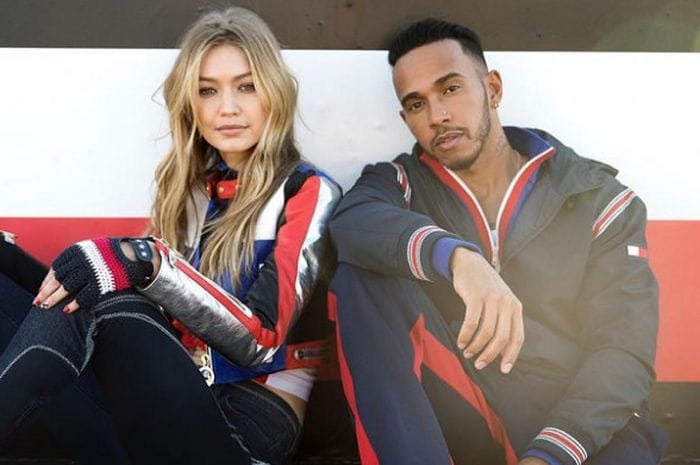
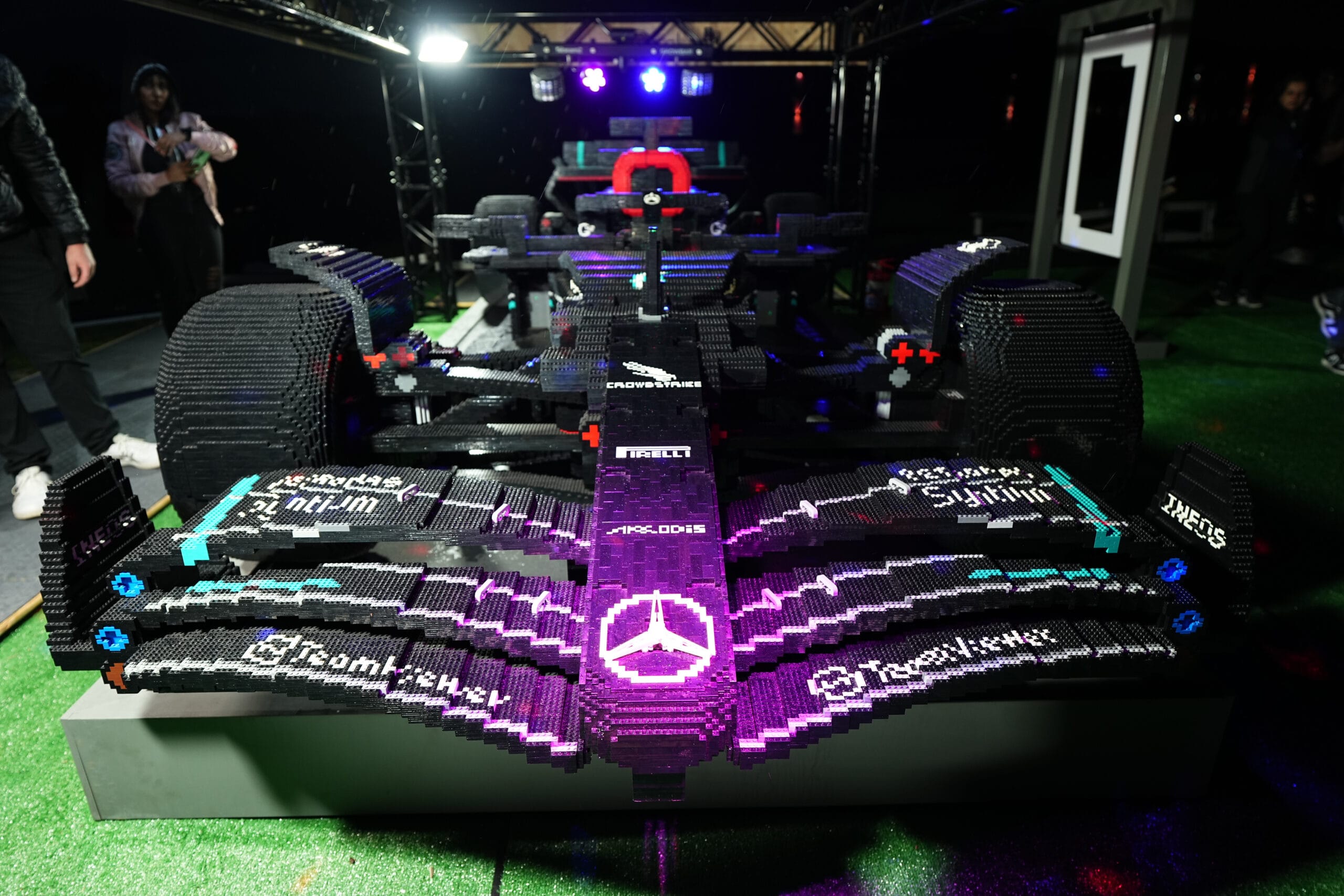
legacy with West Coast cool. And in motorsport, Tommy Hilfiger’s collaboration with Lewis Hamilton turned Formula 1 into a study in representation and refinement, proving that identity and elegance can coexist on the same track.
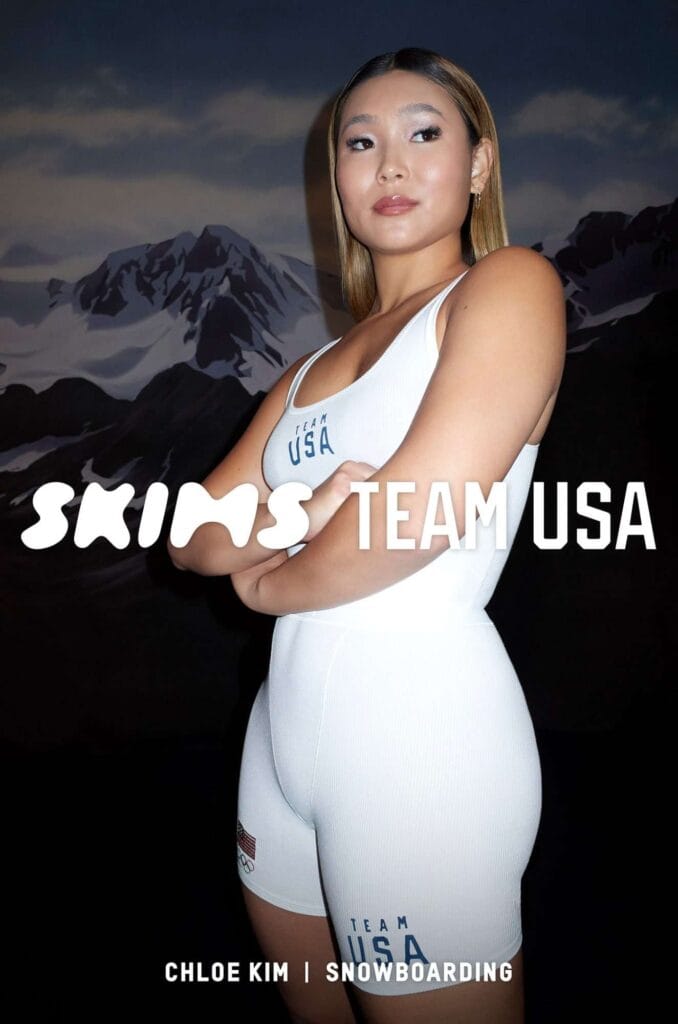
Even SKIMS’ partnerships with Team USA and Nike reshaped how we view performance and bodywear. Kim Kardashian didn’t just enter sport, she redefined it through inclusivity, comfort, and visibility. Suddenly, compression wear became cultural currency.
Each of these collaborations proves the same point: sport is no longer just about competition. It’s about conversation.
It’s about how culture, lifestyle, and storytelling intersect.
And yet, here in South Africa, we’re only beginning to explore that intersection.
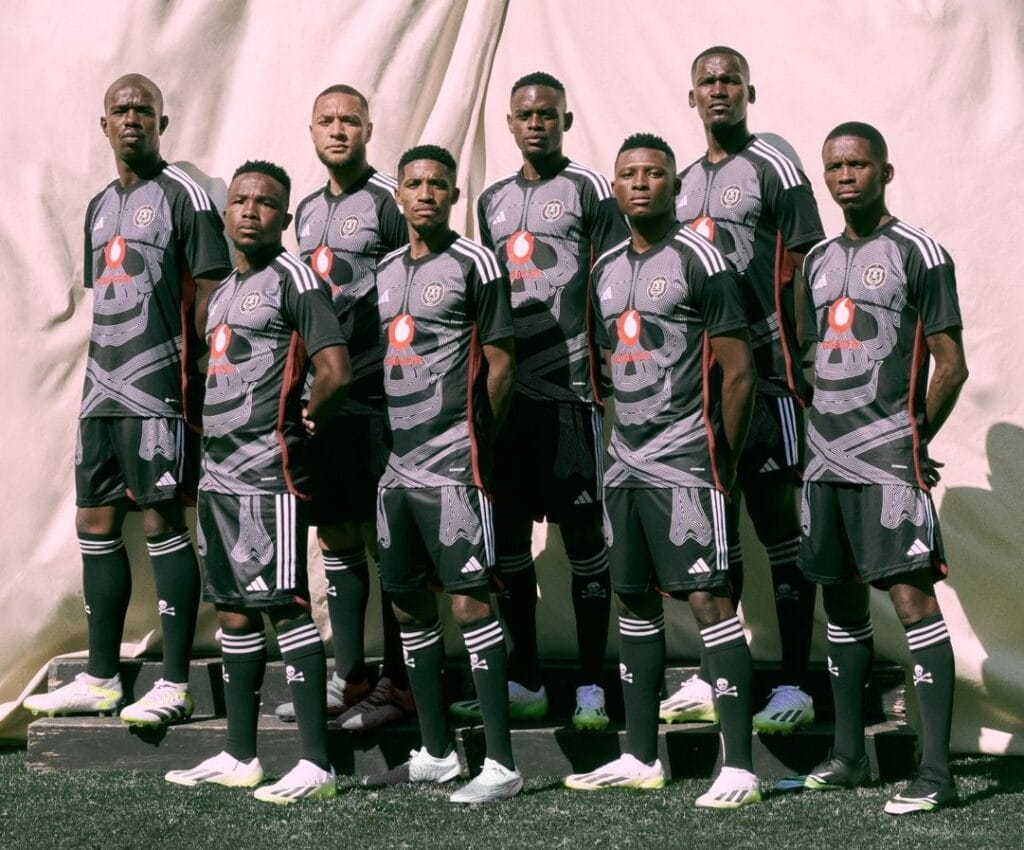
When Thebe Magugu designed the Orlando Pirates jersey, it was a turning point. It was bold, disruptive, and polarising but that’s exactly why it mattered. It forced people to talk about what creativity in sport could look like. Whether you loved it or hated it, you
couldn’t ignore it. It was a moment that shifted how we view jerseys: not just as uniform, but as cultural artefact.
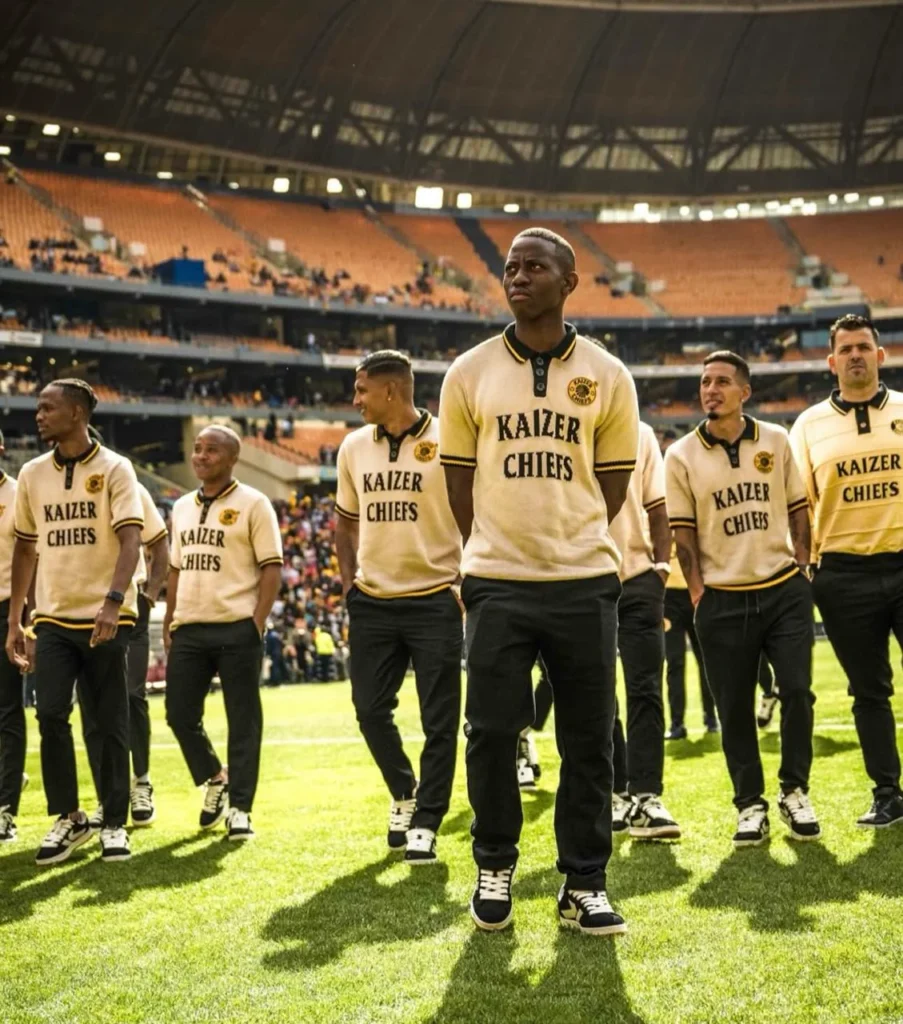
Old School has collaborated with Kaizer Chiefs and Orlando Pirates tapped into the football market. Kasi Flavour’s football-inspired knitwear turned local pride into global language showing that sport doesn’t just belong in stadiums, but in wardrobes,
conversations, and archives.
These moments, though scattered, reveal enormous potential. South Africa has the creative talent, cultural richness, and fandom to lead this movement. But it requires a mindset shift from everyone. It’s not just brand managers who need to think differently. It’s also the teams, the federations, the marketers, and the athletes themselves. Globally, sport has evolved into storytelling. Clubs have become lifestyle brands. Stadiums have become content studios. Yet we still approach sport as an industry, not as an ecosystem.
And no one’s wrong, we’ve just been conditioned to play safe. Brands hesitate to take creative risks. Teams worry about alienating their core audience. Marketers stay within proven formulae. But innovation lives on the edge of discomfort and that’s where culture
happens.
Globally, the game has changed. Sport is now the biggest stage for lifestyle, music, fashion, and social connection. Every tunnel walk, playlist drop, or jersey reveal is cultural currency.
So maybe the question isn’t who’s behind. Maybe it’s who’s willing to lead. South Africa’s sport culture has always been alive, in the chants, in the colours, in the language, in the history. It’s time for our creative industries to meet it there. For brands and teams to co-create, not just co-sign. For marketing to feel like storytelling again. Because the game is no longer just about what happens on the field. It’s about what you stand for once you step off it.

No Comments